Deutsche Bahn’s next winter timetable for long-distance trains, includes new direct routes to Italian cities and a super-fast service between Hamburg and Munich. Here’s all the updates travellers in Germany should know.
If you’re planning a Christmas trip or a European getaway next year, Deutsche Bahn’s new timetable brings several changes worth checking before you book.
Germany’s national rail operator is adding fast connections between major cities and expanding its international services. But passengers will also face diversions and fewer trains on some routes as Deutsche Bahn (DB) continues to overhaul its infrastructure.
When does the new timetable start – and when can I book?
The new timetable comes into force on Sunday, December 13th, 2026. Tickets go on sale on Wednesday, October 14th, through DB’s website, Navigator app and ticket offices.
That means you can soon start booking journeys for Christmas and into the new year. However, some of the new international routes won’t begin until March or summer 2027.
Will tickets get more expensive?
Luckily, there won’t be a general long-distance fare increase with the December timetable change. The cheapest saver prices will remain frozen at €6.99, while the costs for the Bahncard 25 and 50 will also remain the same.
According to DB chief Evelyn Palla, the rail operator wants to keep long-distance prices stable until May 2027.
READ ALSO: Where are public transport fares set to rise in Germany in 2027?
In some cases, your season ticket could even get cheaper. From October 21st, the price for long-distance monthly passes (excluding the Deutschlandticket) and school pupils’ monthly passes will be cut by 25 percent.
In addition, commuters will no longer need to take out long subscriptions, but can book their monthly passes on a flexible basis.
Meanwhile, last minute super saver fares, which can be booked for €6.99 on the weekend for travel the following week, will continue to be offered until December 2026.
Which routes will get faster trains?
A new ICE Sprinter between Hamburg and Munich will run three times a day in each direction, taking just five hours and 20 minutes.
With stops limited to Hanover and Nuremberg, passengers can expect to arrive 20 minutes earlier than on the current trains. The new trains supplement the existing services with more intermediate stops.
The Berlin – Stuttgart Sprinter is also set to run three times daily in each direction, as opposed to just once per day. The scheduled journey takes four hours and 45 minutes and only stops in Nuremberg.
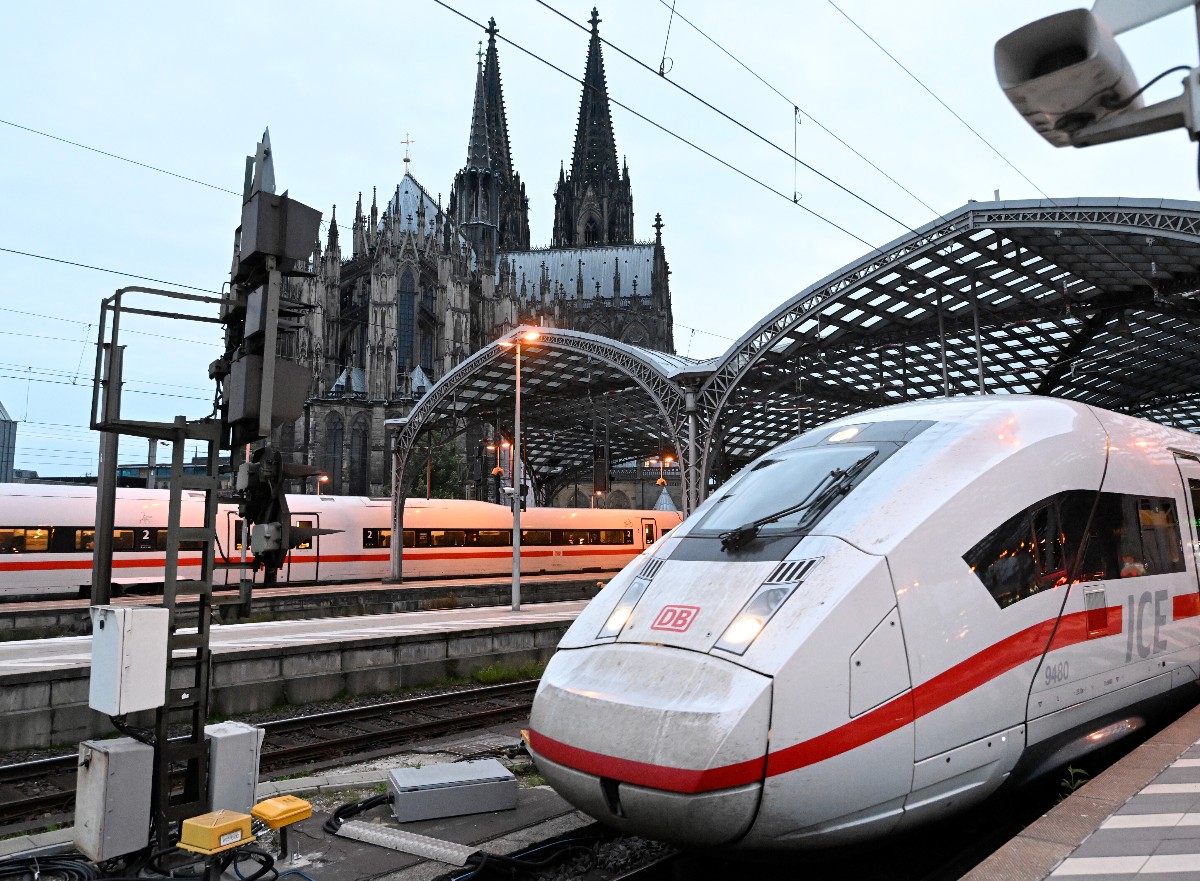
An ICE train leaves Cologne’s main station. Photo: picture alliance/dpa | Roberto Pfeil
Sprinters are ICE services with fewer stops, designed to offer faster journeys between major cities. DB says its new timetable will include around 70 Sprinter journeys a day nationwide.
Other changes include the return of direct ICE services between Jena and Berlin, and linking Westphalia to Bavaria; including from Hamm and Paderborn to Würzburg, Nuremberg and Munich.
Bonn will regain a direct connection to Berlin every two hours for almost the whole year.
The new DB connections follow the announcement by private operator Flixtrain that it would be adding new services, including a Berlin to Bremen connection, from December this year.
READ ALSO: Flixtrain adds Berlin-Bremen route and more intercity services from December
What’s changing for international travel?
DB says its international offering will grow to more than 320 daily journeys, around 20 more than before. More than 200 cities in 14 countries will be directly reachable from Germany, including brand new routes to Milan and Rome.
For passengers planning trips abroad, the main changes are:
- Denmark: From March 2027, Hamburg – Copenhagen services will run seven times daily in each direction, with departures roughly every two hours.
- France: DB says services between Stuttgart and Paris will increase from 10 to 12 daily journeys.
- Austria: The Frankfurt – Vienna route will increase from 12 to 14 daily journeys. Faster direct services via Passau are due to return from December 19th following construction work.
- Italy: New direct services from Munich to Milan and Rome are planned for summer 2027, in cooperation with Trenitalia and Austria’s ÖBB. DB puts journey times at around 6.5 hours to Milan and 8.5 hours to Rome.
- The Netherlands: With Berlin – Amsterdam trains diverted via Hamburg during construction work, Hamburg Hauptbahnhof will gain three daily direct departures to Amsterdam. Another daily service will stop at Hamburg-Harburg and Bergedorf.
According to DB, booking train tickets for international travel should also become easier by next year. Currently, more than 10,000 European destinations can be booked through the Navigator app, including tickets for services operated by Austria’s ÖBB, Italy’s Trenitalia and Eurostar. By the end of 2026, it also plans to offer tickets for domestic journeys on Dutch operator NS and Spain’s Iryo.
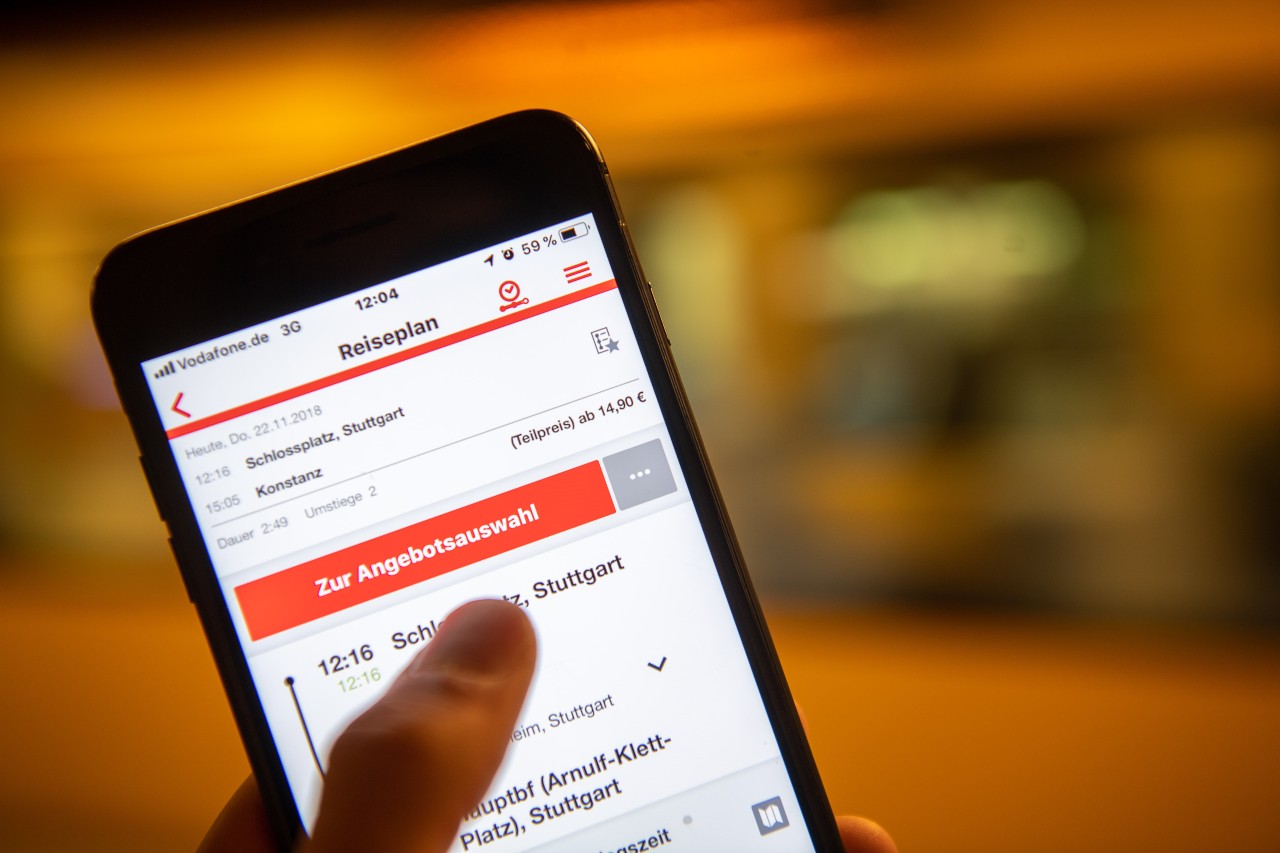
A passenger searches for a route on the DB Navigator app. Photo: picture alliance/dpa | Sebastian Gollnow
The ‘family ticket’ continues
As recently announced, Deutsche Bahn is set to make its €99.99 family ticket a permanent part of its roster.
Bookings reopen on October 26th for travel from November 1st. The fare covers a return journey within Germany in second class on long-distance trains, with seat reservations included for up to five people. At least one child aged 14 or under must travel, and no more than two passengers can be aged 15 or over.
READ ALSO: Deutsche Bahn makes its ‘family ticket’ a permanent offer
But note that before rushing to book, it is worth checking the price against standard saver ticket prices. That’s because children under 14 travel already travel for free if they’re accompanied by someone over the age of 15.
Finanztip also notes that adding connecting local transport raises the return fare to €143.99: the headline €99.99 price is for long-distance travel only. However, this wouldnt be an issue for Deutschlandticket-holders, who can travel on local and regional services around Germany.
Meanwhile, the group saver ticket can now be reserved free of charge up to 60 days in advance of travel, or for €6 per person, per direction up to 30 days before travel.
Where should I expect disruption?
There’s one thing that won’t change in the 2027 timetable: delays and diversions. With Deutsche Bahn still plugging away at its extensive list of track renovations, passengers can expect a number of disruptions on some of the busiest routes.
Here are the key ones to know about:
- Berlin – Hanover: Work on the Lehrte – Berlin corridor is affecting services through December 2027. Diversions add up to 80 minutes, taking journeys between Berlin and Hanover to around three hours. Some trains will run less frequently, and journeys between Berlin and North Rhine-Westphalia are affected too.
READ ALSO: What rail passengers need to know as Berlin-Hanover line closes for renovation
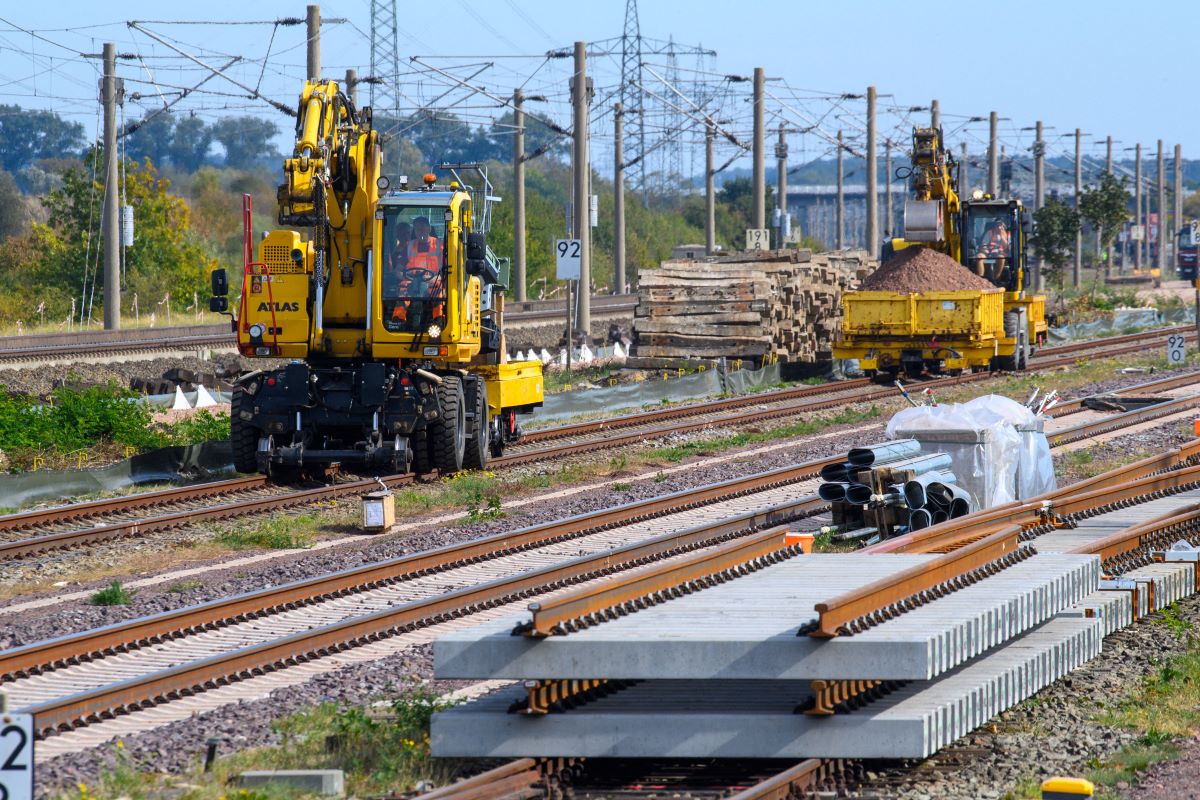
“DB InfraGO” began construction work on October 2, 2026, along the east-west corridor between Hanover and Berlin. Photo: picture alliance/dpa | Klaus-Dietmar Gabbert
- Cologne – Frankfurt: The high-speed line will close from May 15th to July 19th, 2027. DB says the remaining hourly trains between Frankfurt Hauptbahnhof and Köln Messe/Deutz will take around 75 minutes longer.
- Frankfurt – Erfurt: Construction from February 6th to May 14th, and again from August 14th, 2027, will add around 45 minutes to affected ICE journeys. Berlin–Frankfurt Sprinters via Halle and Erfurt won’t run during these periods.
Further work is also planned between Rosenheim and Salzburg.
DB says timetable changes for the biggest building projects will already be included in its journey planner when bookings open. Check the connection for your actual travel date rather than relying on the usual journey time.
Can passengers expect more reliable trains?
Unfortunately the new timetable doesn’t mean unexpected disruptions will disappear. Passengers will still need to allow for unexpected delays.
Only 52.4 percent of DB’s long-distance trains were punctual in September, according to the operator. Under its definition, a train is late if it arrives six minutes or more behind schedule.
READ ALSO: The app that wants to help you avoid Deutsche Bahn delays
The additional services may offer more choice, but a faster scheduled journey won’t necessarily mean an on-time arrival.
On the upside, some new, high-tech ICE trains are set to be rolled out next year, adding a hint of luxury to your (possibly delayed) journey. These include 16 ‘3neo’ trains and 9 ICE L trains, which offer step-free boarding, improved mobile reception and the largest family area in DB’s ICE fleet.
With reporting by DPA.
Disclaimer : This story is auto aggregated by a computer programme and has not been created or edited by DOWNTHENEWS. Publisher: thelocal.de