Energy prices have been soaring in Germany in the wake of the Iran war. The government will soon bring in new measure to cut prices at the pump – but will motorists notice a difference?
What’s going on?
Fuel prices have reached eye-watering highs in Germany lately. With the Iran war leading to the ongoing blockade of the Straight of Hormuth, consumers have been feeling the effects of a global oil crisis that has pushed oil above $100 per barrel.
Since the US and Israel launched its first attacks in February, E10 petrol has risen by around 54 cents per litre and diesel by roughly 71 cents, with nationwide averages reaching about €2.31 and €2.47 respectively in mid-September.
READ ALSO: How to save money on fuel in Germany as prices hit all time high
This month, the ‘Black-Red’ coalition between the CDU and the SPD announced it would be introducing a new package of measures to stem the rising prices for motorists and businesses.
The first of these is a 14-cent cut in energy tax known as the Tankrabatt, which – combined with the additional VAT savings – amounts to a total tax cut of 17 cents per litre. The same measure was previously brought in from May to June this year and will be reintroduced at the start of October. This time around, the tax cut will run until the end of the year.
The second, more complicated measure, is a fuel price cap that is set to enter into force in January 2027.
How will the price cap work?
Put simply, the government will determine how high petrol and diesel prices are allowed to be. A dedicated authority will calculate this upper limit based on a complex formula, taking into account international prices, the costs of transportation, storage, insurance and losses and factoring in a certain profit margin for businesses.
This means that the policy is likely to introduce a kind of floating cap that can rise when global oil prices do. However, companies will not be allowed to suddenly award themselves massive margins.
How much could motorists save?
The impact of the price cap is still unclear, but data from May and June suggest that at least some of the tax cut could be passed onto consumers – though probably not all of it.
According to the Munich-based Ifo Institute, the tax relief on Super E5 and Super E10 translated into equivalent savings for motorists. For diesel, however, only an average of 12 cents per litre was passed on – significantly less than the overall 17-cent tax reduction. After the discount expired at the end of June, prices went up again.
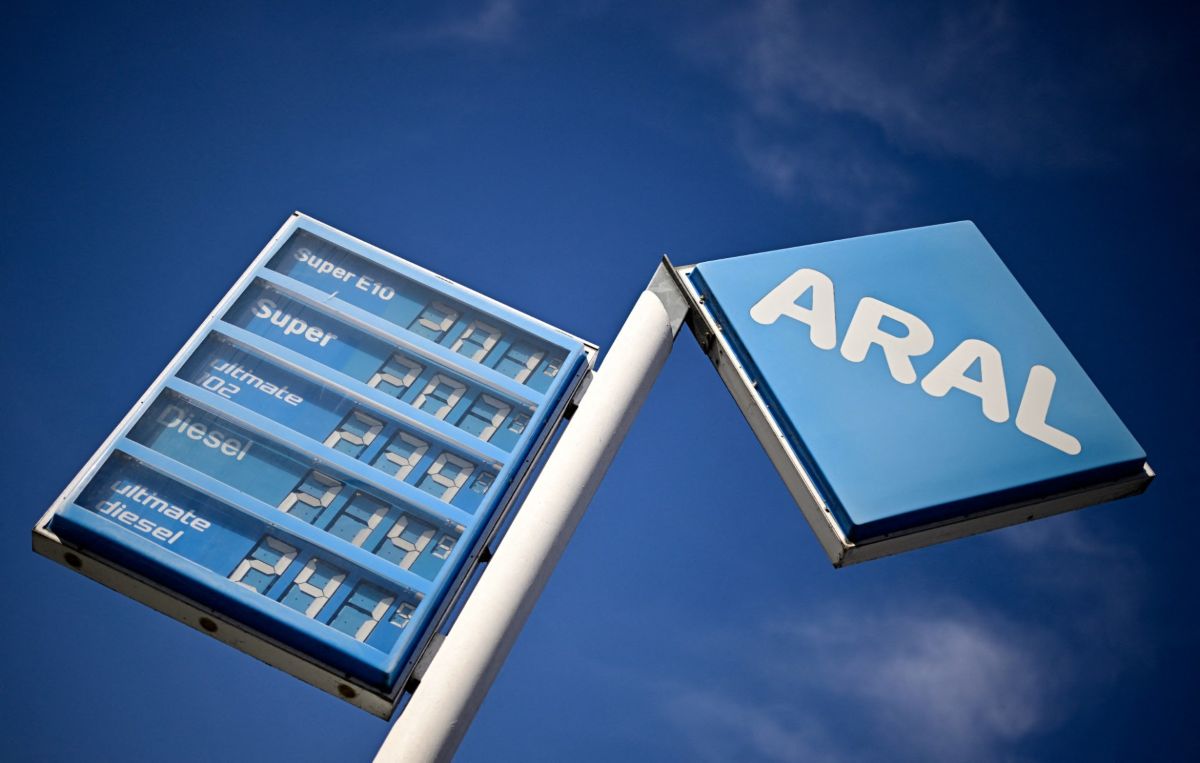
A display with the prices for Super E10, Super, Diesel and other fuel is seen at an Aral oil and gas station in Berlin, Germany. Photo by TOBIAS SCHWARZ / AFP.
The savings from next year’s price cap remain to be seen. Luxembourg and Belgium have similar measures in place, and the latest EU data puts prices in both countries at around €2 per litre.
What will it cost?
The costs will partly depend on how motorists behave at the pump over the coming months, but estimates suggest the tax relief alone will cost around €2.5 billion for taxpayers.
Back in May and June, the initial round of tax relief cost the federal government €1.8 billion. This time around, half of the cost will be paid by the federal states.
READ ALSO:
How long will the relief measures last?
That has yet be decided – but certainly not forever. The tax cut will expire at the end of the year, in time for the introduction of the price cap mechanism.
The government resolution describes this as a “non-permanent, crisis-related fuel-price cap”, suggesting that it will stay in place for as long as the crisis in the Middle East continues.
Are there measures for non-motorists?
Not yet. In its resolution, the government pledges to examine “targeted measures for citizens affected by the crisis (especially those with low and moderate incomes) as well as businesses” in early 2027. This could include direct payouts to assist with energy costs, though nothing has been set out in detail.
What’s the reaction been?
Though the new tax relief was welcomed by farmers and logistics companies, the government’s plans have been slammed by economists, social activists and climate campaigners.
“I think the tax rebate is a mistake,” said Clemens Fuest, director of the Munich-based Ifo Institute, in a recent interview with Bild. Fuest added that the relief was expensive and “largely benefits drivers who can afford the higher prices.”
The Ifo has also pointed out that the measure does not incentivise drivers to save fuel.
Meanwhile, climate organisation Greenpeace said fuel tax cuts were “not targeted, harmful to the climate and a large chunk of it ends up as excess profits in the pockets of the oil companies.”
READ ALSO: How much money can you get towards buying an EV in Germany this year?
Speaking to RND, Greens parliamentary deputy leader Andreas Audretsch, described the policy as “madness”. Instead, the party is calling for a windfall tax on excess profits for oil companies, with the proceeds paid directly to citizens.
That the government chose not to do this, Audretsch said, is a “capitulation to the powerful oil companies”.
Useful vocabularly
fuel rebate – (der) Tankrabatt
petrol prices – (die) Spritpreise
price cap – (der) Preisdeckel
relief – (die) Entlastung
Disclaimer : This story is auto aggregated by a computer programme and has not been created or edited by DOWNTHENEWS. Publisher: thelocal.de