
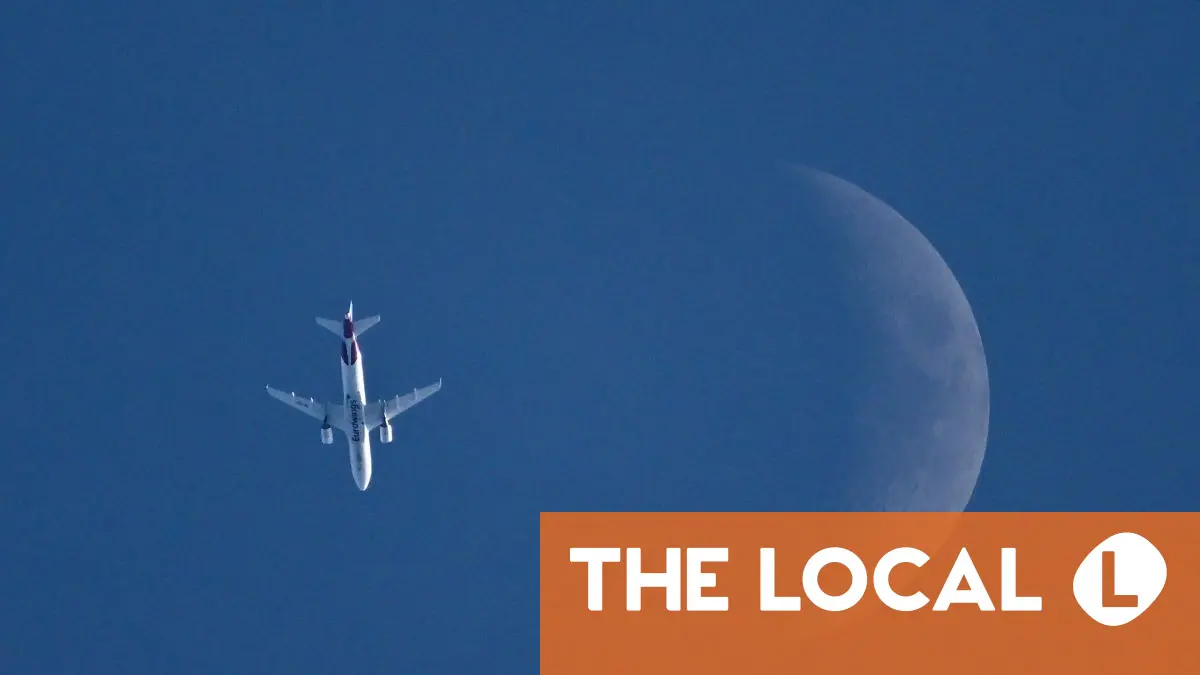
As war in Iran pushes jet‑fuel prices higher, flights from Germany could become more expensive and less predictable in the months ahead. Here’s what that means for bookings, prices – and your rights.
If you have flights planned for this summer – or you’re thinking about booking – you may have noticed worrying headlines about higher fares and possible cancellations.
Much of this is linked to the war in Iran, which is disrupting global oil and jet‑fuel supplies and forcing airlines to rethink prices and routes.
Here, we take a look at what’s already happening, what could come next – and what it means for people flying in and out of Germany.
What is happening now
Following the US‑Israeli attack on Iran, fuel prices have jumped from roughly $85–$90 per barrel to around $150–$200 per barrel – putting significant pressure on airlines’ biggest operating expense.
Unsurprisingly, the airlines themselves have already started responding in ways that directly affect passengers in Germany.
Different airlines are taking different steps. But – broadly speaking – measures include raising fares and introducing or increasing fuel surcharges, cutting less profitable routes and flight frequency, and removing older, less fuel‑efficient aircraft from service.
For example, Lufthansa recently announced that 27 aircraft operated by its regional subsidiary CityLine are being permanently removed from the flight programme, with broader capacity cuts planned for later in the year.
Similarly, Turkish Airlines is ending direct Leipzig/Halle–Istanbul flights from May 2nd, explicitly citing geopolitical developments and rising costs, particularly for jet fuel.
For passengers, this translates into higher prices, fewer options – and a greater risk that schedules may change after booking.
READ ALSO: ‘Messy breakup’ – Travellers in Germany frustrated with ongoing Lufthansa strikes
Could flights be cancelled even if you’ve already booked?
Airlines can – and are – cancelling flights that have already been booked.
Under EU rules, if a flight is cancelled more than 14 days before departure, airlines don’t usually have to pay compensation, although they are obliged to offer rebooking or a refund.
The situation is different if a flight is cancelled less than 14 days before departure. In principle, passengers may be entitled to compensation, unless the airline can show that the cancellation was caused by so‑called “extraordinary circumstances” that were beyond its control.
Classic examples of “extraordinary circumstances” include severe weather, natural disasters or sudden air‑traffic control restrictions – but it’s not yet clear whether fuel shortages linked to the Iran war would qualify.
Airline associations say yes, while the Federation of German Consumer Organisations (VZBZ) strongly disagrees.
According to the German Press Agency (DPA), the question may ultimately need to be settled by the courts, especially if airlines begin cancelling large numbers of flights at short notice and refusing compensation on fuel‑shortage grounds.
Can airlines raise the ticket price after you’ve already booked?
Travellers should assume that the price agreed at booking applies, unless a clearly valid price‑increase clause was included in the contract, according to reporting by DPA.
Package travel is slightly different, where contracts sometimes allow tour operators to pass on higher costs, including fuel. But even here, the increase must be announced no later than 20 days before departure and is generally capped at eight percent. If the increase exceeds eight percent, customers can cancel free of charge.
This same 20‑day / eight percent rule can also apply to cruises, where fuel is also a major cost factor.
READ ALSO: Do you need travel insurance for the EU if you live in Germany?
Are airlines already charging extra fuel surcharges?
Many airlines have already started charging extra fuel surcharges. These are not always obvious and they don’t affect all travellers in the same way.
For most travellers who booked flight‑only tickets, new fuel surcharges won’t usually be added retroactively. In other words, airlines can’t simply raise the ticket price after the fact unless a valid price‑increase clause was included in the original contract.
Fuel surcharges matter much more for people who have not yet booked. In these cases, higher fuel costs are already being built into headline fares or added as separate surcharges when tickets are priced.
Several airlines worldwide, including carriers that fly to and from Germany, have openly announced fuel surcharges or fare increases in response to rising kerosene prices. Reportedly, these extra charges can add several hundred euros to the ticket price, particularly on long-haul journeys.
Generally, passengers have no way of challenging or avoiding surcharges. But the fact that so many airlines are adding them suggests that higher fuel costs are likely to remain a factor in ticket prices going forward.
Should you wait before booking in the hope prices fall?
No one is predicting a near‑term return to lower jet-fuel prices and therefore cheaper fares.
For people who haven’t yet booked summer travel from Germany, consumer organisations cited by DPA therefore recommend caution rather than waiting for bargains that are unlikely to appear.
Choose flexible fares, try and avoid non‑refundable hotels and/or car hire unless you have cancellation cover, and be prepared for last-minute schedule changes.
READ ALSO: ‘4-hour queues’ – Europe’s airlines and airports fear summer travel chaos
What about insolvency – are passengers protected?
Unfortunately, experts warn that airline and tour‑operator insolvencies are a possibility if jet fuel remains scarce and expensive for a prolonged period.
What this could mean for passengers generally depends on how the trip was booked.
For example, tour operators are legally required to insure package trips and provide a security certificate. If the company collapses before departure, affected travellers can claim compensation via the German Travel Security Fund (DRSF).
READ ALSO: Four international night trains from Germany to try in 2026
Even if a company goes bankrupt while customers are already travelling, insurers are generally required to step in so the trip can be completed or travellers returned home.
If an airline goes bankrupt, the situation is tougher. Flights may simply stop operating, meaning that passengers could have to organise and pay for alternative travel themselves.
And while it is possible to submit claims later during insolvency proceedings, these claims usually have little chance of success because passengers are rarely treated as preferred creditors.
Disclaimer : This story is auto aggregated by a computer programme and has not been created or edited by DOWNTHENEWS. Publisher: thelocal.de



