NEWYou can now listen to Fox News articles!
One month after President Donald Trump ordered a government-wide halt on artificial intelligence firm Anthropic’s technology following a clash with the Pentagon, the company’s CEO is back at the White House for high-level talks — as officials reconsider whether a system they sidelined over national security and political concerns may be too important to ignore.
A source familiar with the meeting told Fox News White House chief of staff Susie Wiles met with Anthropic CEO Dario Amodei Friday.
Anthropic’s new artificial intelligence model, Mythos Preview, is considered so advanced that the company has restricted its release, limiting access to a small group of partners over concerns about potential misuse.
The meeting signals a rapid reversal inside the Trump administration, as officials weigh whether a system previously flagged as a national security risk could also be critical to defending U.S. infrastructure — exposing a growing internal tension over how to handle powerful AI tools with both defensive and offensive potential.
The talks come despite a recent clash inside the Trump administration, as officials reconsider a company the Pentagon flagged as a supply chain risk. Its ties to former Biden officials and past criticism of Trump by its CEO have added a political dimension to the debate over whether its technology should return to government use.
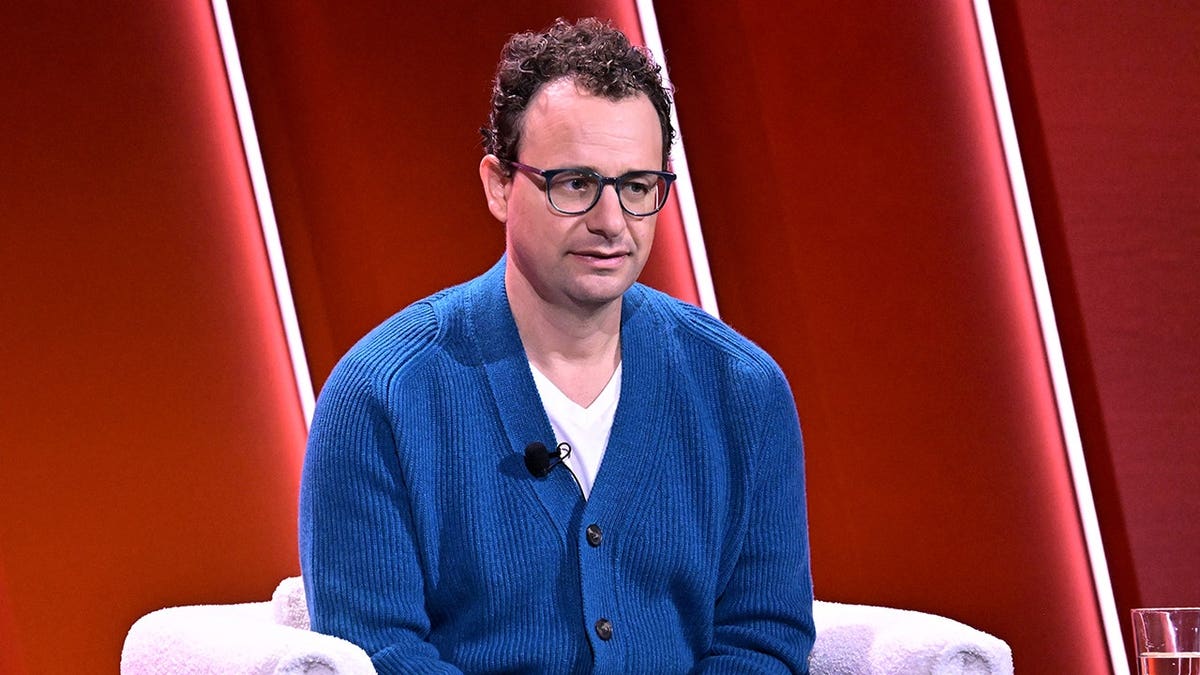
Anthropic Co-founder and CEO Dario Amodei speaks at the “How AI Will Transform Business in the Next 18 Months” panel during INBOUND 2025 Powered by HubSpot at Moscone Center on September 04, 2025 in San Francisco, California (Chance Yeh/Getty Images for HubSpot))
MADURO RAID QUESTIONS TRIGGER PENTAGON REVIEW OF TOP AI FIRM AS POTENTIAL ‘SUPPLY CHAIN RISK’
That potential and the risks that come with it already have triggered tensions inside the U.S. government.
Pentagon clash, legal fight and reversal put Anthropic back in play
The meeting comes after a sharp break between Anthropic and the Pentagon earlier in 2026.
Defense Secretary Pete Hegseth designated the company a national security “supply chain risk,” effectively cutting it out of military systems and barring contractors from using its technology.
Anthropic is now challenging the designation in court, after filing multiple lawsuits against the Pentagon and other federal agencies arguing the “supply chain risk” label is unlawful and retaliatory.
The designation, which effectively bars contractors from using Anthropic’s technology and has been compared to measures typically reserved for foreign adversaries, already has faced conflicting rulings in federal court, with one judge temporarily blocking parts of the policy while an appeals court declined to halt its enforcement. The legal fight is ongoing, leaving contractors and agencies navigating uncertainty over whether and how Anthropic’s systems can be used.
The move followed a dispute over how the Pentagon could use Anthropic’s AI.
The company declined to grant open-ended authorization for “all lawful purposes,” instead insisting its systems not be used for mass domestic surveillance or fully autonomous weapons. While Pentagon officials said they do not rely on AI for either purpose, they rejected being constrained by a private company’s restrictions.
Trump then directed federal agencies to stop using Anthropic’s models altogether, escalating the standoff beyond the Defense Department into a government-wide halt.
Now, just weeks later, the company is back in high-level talks with the White House as officials weigh whether its new Mythos system — despite the earlier ban — could shift the balance of cyber defense and attack.
Political ties and past criticism may complicate White House talks
The dispute has also taken on a political dimension.
Amodei has previously drawn attention for his criticism of Trump, at one point likening him to a “feudal warlord” in a pre-election Facebook post, according to a Wall Street Journal report.
In an internal message posted on Anthropic’s Slack platform and later leaked to The Information, Amodei suggested the Trump administration’s dispute with the company was driven in part by its refusal to offer what he described as “dictator-style praise.”
The message, written during a rapid escalation of tensions in early March, was later cited by the Wall Street Journal and other outlets. Amodei subsequently apologized for the tone, saying the post did not reflect his considered views.
FEDERAL APPEALS COURT REJECTS ANTHROPIC BID TO BLOCK PENTAGON BLACKLIST IN AI DISPUTE
When asked about Anthropic’s governance, hiring and broader political ties, a White House official said the administration “continues to proactively engage across government and industry to protect the United States and Americans,” including “working with frontier AI labs to ensure their models help secure critical software vulnerabilities.”
The official added that “any new technology that would potentially be used or deployed by the federal government requires a technical period of evaluation for fidelity and security,” and said “the collective effort of all involved will ultimately benefit industry, and our country, as a whole.”
Pages from the Anthropic website and the company’s logos are displayed on a computer screen in New York on Thursday, Feb. 26, 2026. (Patrick Sison/AP Photo)
Beyond the immediate dispute, the company’s broader ties to Washington also have drawn attention.
Anthropic’s governance structure has also drawn attention as the administration weighs closer engagement. The company is overseen in part by an independent “Long-Term Benefit Trust,” an unusual mechanism designed to give nonfinancial stakeholders influence over corporate decisions.
The trust holds special voting shares that allow it to appoint and eventually control a majority of the company’s board, with members drawn from national security, public policy and global development backgrounds.
Current trustees include figures such as Clinton Health Access Initiative CEO Neil Buddy Shah, Carnegie Endowment president Mariano-Florentino Cuéllar and Center for a New American Security CEO Richard Fontaine — a mix of policy and national security leaders that underscores the company’s deep ties to Washington and global policy circles.
Anthropic’s backers also have placed it at the center of overlapping tech, policy and political networks.
Early funding for the company included investments from figures such as Facebook co-founder Dustin Moskovitz and former Google CEO Eric Schmidt, both longtime Democratic donors, and a major early investment from Sam Bankman-Fried’s FTX.
At the same time, the company has since attracted a broad range of major institutional investors — including Amazon, Google and Microsoft — reflecting its growing role in the global AI race and complicating efforts to characterize it along purely political lines.
The company also has brought on several officials from the Biden administration into key policy roles, further embedding Anthropic in Washington’s AI policy ecosystem. Among them is Tarun Chhabra, a former National Security Council official who now leads the company’s national security policy work, as well as other advisers and staff with experience shaping federal AI and technology strategy.
Anthropic also has sought to build ties across party lines as it expands its presence in Washington.
The company employs policy staff with Republican backgrounds, including legislative analyst Benjamin Merkel and lobbyist Mary Croghan, and in February added Chris Liddell — a former deputy White House chief of staff under Trump — to its board. It has contributed $20 million to Public First Action, a bipartisan group that backs candidates from both parties who support AI regulation.
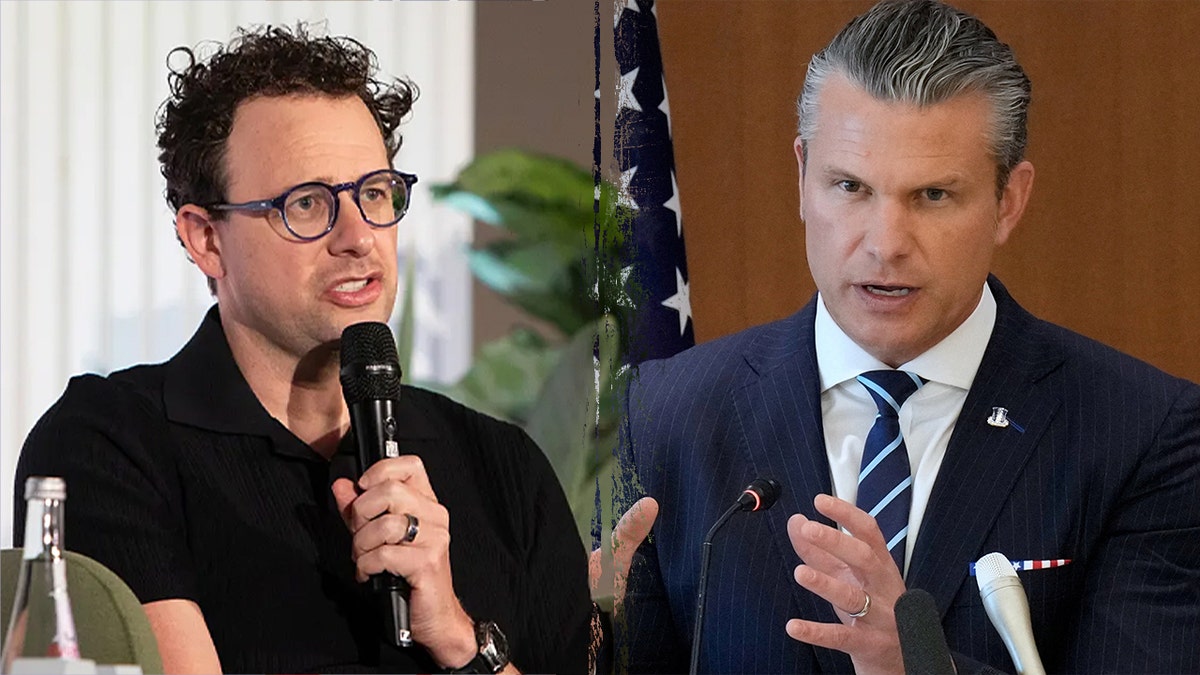
A federal judge’s decision to block the Trump administration from banning AI firm Anthropic from Department of War use is igniting a debate over whether the ruling pushes courts into national security decision-making. (Samyukta Lakshmi/Bloomberg via Getty Images; Eugene Hoshiko/Pool/Reuters)
The company has also faced criticism from within the Trump administration.
White House AI adviser David Sacks has accused Anthropic of pursuing a “regulatory capture” strategy, arguing the firm is using concerns about AI safety to push rules that could benefit its own position while slowing competitors.
Anthropic has pushed back on those claims, saying its approach reflects genuine concerns about the risks posed by advanced AI systems.
Anthropic declined to comment on the White House meeting and questions about its political ties.
JUDGE FREEZES TRUMP ADMIN MOVE AGAINST AI FIRM, FUELING BATTLE OVER SECURITY AUTHORITY
New AI system could reshape cyber warfare, raising alarms inside US government
The new technology could help developers identify and fix long-standing security flaws, but it could also give hackers a powerful new tool to target U.S. businesses and government systems.
“Given the rate of AI progress, it will not be long before such capabilities proliferate, potentially beyond actors who are committed to deploying them safely,” Anthropic said in its announcement. “The fallout — for economies, public safety, and national security — could be severe.”
Anthropic has not released Mythos publicly, instead limiting access through a program called Project Glasswing, where a select group of companies use the model to scan critical systems for vulnerabilities.
Pages from the Anthropic website and the company’s logos are displayed on a computer screen in New York on Thursday, Feb. 26, 2026. (Patrick Sison/AP Photo)
CLICK HERE TO DOWNLOAD THE FOX NEWS APP
The company says the system has already uncovered thousands of previously unknown flaws — some decades old — underscoring both its defensive value and the risk it could be used to accelerate cyberattacks if the technology spreads.
Fox Business’ Edward Lawrence contributed to this report.
Disclaimer : This story is auto aggregated by a computer programme and has not been created or edited by DOWNTHENEWS. Publisher: moxie.foxnews.com