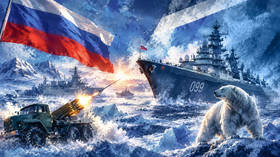
We take a closer look at the submarines, missiles, and surveillance systems shaping Russia’s confrontation with NATO
A new military competition is taking shape across the Arctic. Aircraft monitor naval movements, submarines patrol beneath the surface, and coastal missile batteries protect bases and maritime approaches. Satellites, radar stations, and communications networks help connect these forces across a region where distance, ice, and extreme weather complicate almost every operation.
Finland and Sweden’s accession to NATO has changed the military geography of Northern Europe, while advances in long-range weapons and surveillance are expanding the options available to both sides. Russia must protect its Northern Fleet, strategic submarine forces, and extensive coastal infrastructure. NATO countries seek to track Russian naval activity, defend their northern territories, and secure Atlantic reinforcement routes.
What capabilities can each side bring to this increasingly contested region? Which are already operational, which are still being developed, and where do the most significant strengths and vulnerabilities lie?
Why the Arctic matters
Russia’s military presence in the Arctic is shaped by geography, while Moscow views its efforts to strengthen that presence as a response to growing threats to critical infrastructure, including strategic submarine bases and the Plesetsk Cosmodrome.
The Arctic is central to Russia’s economy, energy industry, transportation links, and military security. The region accounts for a substantial share of Russian energy production and serves as a testing ground for advanced weapons, including strategic projects such as Poseidon and Burevestnik. The Central Test Site on Novaya Zemlya also remains important to Russia’s nuclear weapons program, even under a nuclear testing moratorium. The shortest missile trajectories between Russia and the US pass through the Arctic, which has become a major arena of military contact between Russia and NATO.
Four main developments are intensifying the security dilemma – in which one country’s efforts to improve its security are perceived as a threat by another:
-
Greater accessibility of the Northern Sea Route
-
Sweden and Finland’s accession to NATO
-
The collapse of the Intermediate-Range Nuclear Forces (INF) Treaty
-
The re-establishment of the Leningrad Military District
These developments have increased commercial and military interest in the Northern Sea Route, raising the prospect of disputes over access, including potential freedom of navigation operations by Western naval vessels. NATO’s enlargement creates additional opportunities to position military infrastructure closer to Russia’s borders and strategic sites. The collapse of the INF Treaty removed restrictions on US and Russian ground-launched missiles with ranges from 500 to 5,500 km, while the re-establishment of the Leningrad Military District forms part of Russia’s efforts to strengthen its northwestern defenses.
Disclaimer : This story is auto aggregated by a computer programme and has not been created or edited by DOWNTHENEWS. Publisher: rt.com