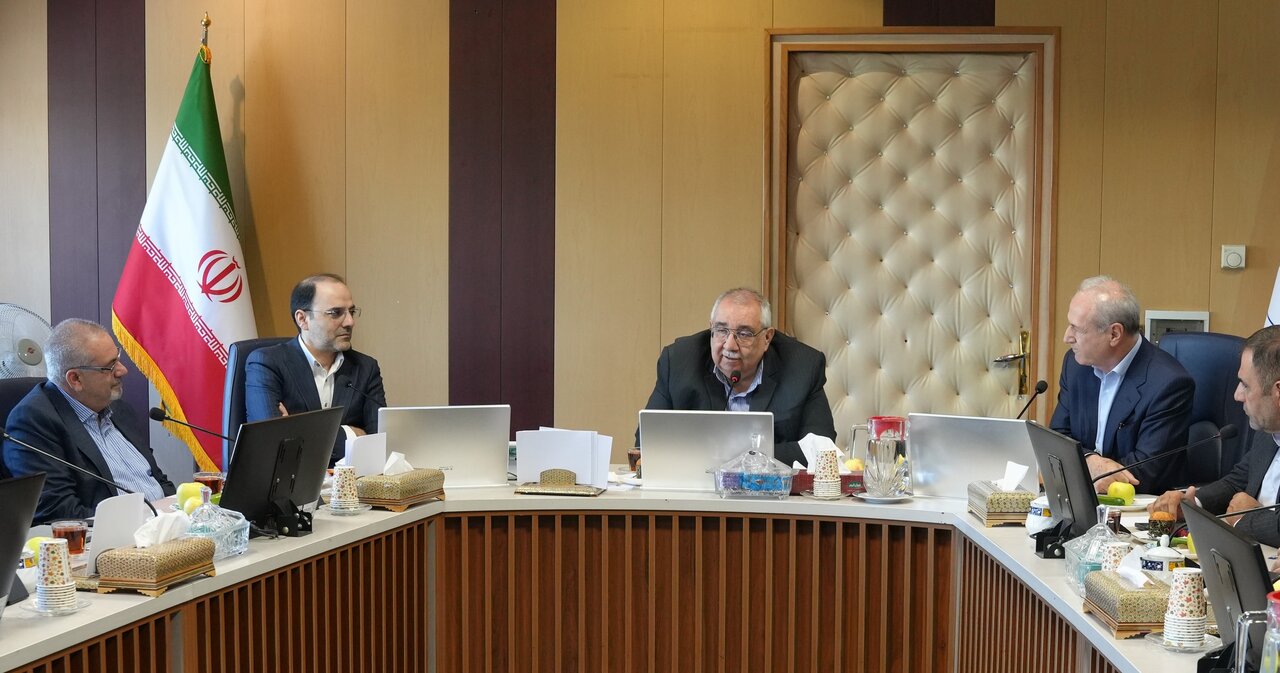
TEHRAN – Dr. Jean Jabbour, WHO Representative in the Islamic Republic of Iran, has underscored the vital role of medical universities in strengthening national capacity for evidence-based policymaking, advancing research and innovation, and supporting resilient health systems in the face of emerging challenges.
On Wednesday, September 23, Jabbour, accompanied by a delegation, visited Isfahan University of Medical Sciences and Health Services (IUMS). The visit was organized by the Isfahan provincial governor’s office and the Ministry of Foreign Affairs.
Jabbour met with Dr. Shahin Shirani, Chancellor of Isfahan University of Medical Sciences, along with senior health officials, including the director general for international affairs and representatives from the Ministry of Health and Medical Education and the Ministry of Foreign Affairs.
Serving a province with a population of more than five million, Isfahan University of Medical Sciences is one of Iran’s leading medical universities, integrating healthcare delivery, medical education, and research through an extensive network of schools, healthcare and treatment centers, and research institutions.
Discussions during the visit focused on the vital role of medical universities in strengthening national capacity for evidence-based policymaking, advancing research and innovation, and supporting resilient health systems in responding to emerging challenges.
“Universities such as Isfahan University of Medical Sciences are not only centers of education and research. They are strategic partners in generating evidence, shaping policies, and strengthening health systems for future generations,” Jabbour said.
“WHO stands ready to support rapid assessments of health infrastructure and services in collaboration with national and provincial authorities to ensure continuity of essential health services and identify priority needs,” he added.
The visit also highlighted opportunities to strengthen cooperation with research institutions, including potential collaborating centers interested in becoming WHO collaborating centers and aligned with national health priorities. Isfahan University of Medical Sciences currently hosts a WHO Collaborating Centre for Research and Training in Cardiovascular Disease Control, Prevention and Rehabilitation, which has made significant contributions to research, training and policy development since 2003.
The visit concluded with participation in expert panels on “Health, Environment and Resilience of Essential Services” and “Innovation and Technology for Development,” reinforcing WHO’s commitment to advancing innovation, resilience and evidence-based health development.
Disclaimer : This story is auto aggregated by a computer programme and has not been created or edited by DOWNTHENEWS. Publisher: tehrantimes.com