
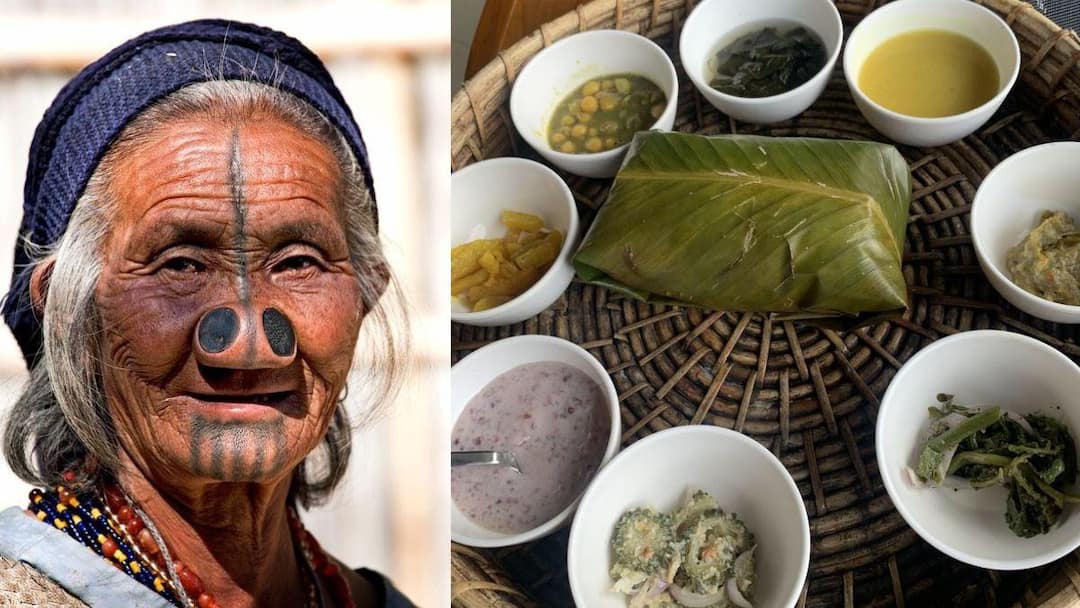
- Apatani tribe maintains well-being through nature-linked lifestyle.
- They eat seasonal, local foods, avoiding processed ingredients.
- Sustainable practices, strong community ties aid overall health.
- Traditional herbal remedies address everyday health concerns.
Good health today often feels difficult to maintain. Busy routines, processed food, rising stress and long hours indoors have slowly changed the way people live. Yet some communities continue to follow habits that naturally support well-being. One such example is the Apatani tribe of Arunachal Pradesh’s Ziro Valley, known for a lifestyle closely linked to nature, seasonal food and strong community bonds. Recognised by the UNESCO World Heritage Centre for its unique ecological practices, the Apatani way of life offers practical lessons that still feel surprisingly relevant in a fast-moving modern world.
Wellness lessons from Arunachal’s Apatani tribe
Seasonal food habits: Eating local and simple
Food remains central to Apatani life. Instead of packaged meals or highly processed ingredients, the community largely depends on seasonal and locally available produce. Their meals often include boiled or slow-cooked preparations that retain flavour while avoiding excess oil or artificial additives.
Traditional foods include fermented bamboo shoots known as ekung, millet porridge called zan, smoke-dried meats and pilaa, an indigenous alkaline liquid used in cooking. Another ingredient, tapyo, acts as a herbal alkaline salt and remains a staple in local kitchens. One of the most remarkable practices is integrated rice-fish farming. Fish are raised in the same paddy fields as rice, creating a natural farming cycle that supports soil fertility while offering a steady protein source. The community also consumes apong, a naturally fermented rice beer, usually during festivals and gatherings. Traditionally, it is enjoyed in moderation and valued for digestive support.
ALSO READ | Skip Hill Stations! 6 Stunning Indian Islands Perfect For A Cool Summer Escape
Nature-Friendly Lifestyle
The Apatani approach to health extends beyond diet. The community follows sustainable forestry and land-use practices that help preserve forests and natural water systems in the valley. While urban life may look very different, some of these ideas can still be applied. Choosing seasonal produce, reducing food waste and becoming more mindful of environmental impact are practical habits that fit easily into modern living.
ALSO READ | Feeling Bloated? This Simple Steamed Apple Remedy May Help Ease Digestion
Strong Community Ties
Another important aspect of Apatani life is social connection. Festivals, shared responsibilities, and open communication remain central to the community. At a time when loneliness and isolation are becoming increasingly common, their lifestyle offers an important reminder: staying connected with neighbours, family and local communities also plays a role in overall well-being.
Traditional Herbal Remedies
For generations, the Apatanis have relied on plant-based remedies for everyday health concerns. Pato, a traditional herbal tea, is associated with blood pressure management, while gotu kola is commonly used for digestive comfort. Plants such as sweet flag are traditionally used for headaches and joint discomfort. Lepi is locally consumed during coughs and colds, while riikoh is used to soothe sore throats. Fish mint is also commonly used to support digestive health.
Small Habits, Lasting Benefits
The Apatani way of life is not built around quick health fixes. Instead, it reflects a balance between food, nature, traditional knowledge and meaningful social connections. While modern lifestyles may be very different, many of these simple practices can still inspire healthier daily habits.
Before You Go
Breaking News: US Naval Blockade Challenged as Multiple Ships Exit Iranian Ports Amid Hormuz Tensions
Disclaimer : This story is auto aggregated by a computer programme and has not been created or edited by DOWNTHENEWS. Publisher: abplive.com



