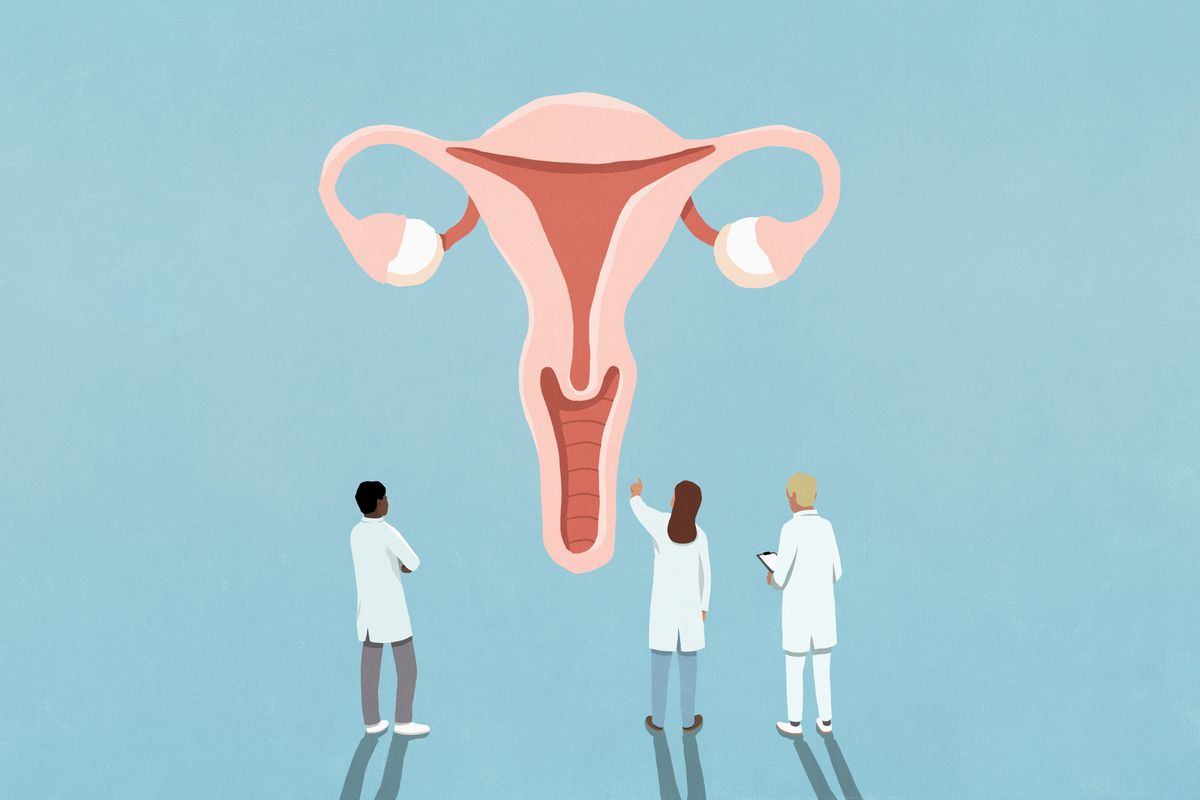
Researchers hope the change of name can improve awareness and help to understand the condition better
For years, millions of women around the world have been diagnosed with PCOS – short for polycystic ovary syndrome. But now, after more than a decade of international discussion, the condition is officially getting a new name.
PCOS will now be known as polyendocrine metabolic ovarian syndrome (PMOS). The change was announced at the European Congress of Endocrinology in Prague and published in The Lancet.
It follows 14 years of collaboration between doctors, researchers, medical organisations and patient groups across six continents. Experts say the old name was not only inaccurate but also harmful.
PMOS is a common hormonal condition that affects around one in eight women, with an estimated 170 million women worldwide living with it. It usually develops during the reproductive years and can affect hormones, fertility, metabolism, skin, hair growth and mental wellbeing.
According to the NHS, common symptoms include:
- irregular or missed periods
- difficulty getting pregnant
- excessive hair growth on the face, chest, back or buttocks
- weight gain
- thinning hair or hair loss
- oily skin or acne
Some women also experience fatigue, anxiety, depression, insulin resistance or problems with blood sugar regulation. Despite how common it is many women wait years for a diagnosis.
The biggest issue with the name PCOS is that it is misleading. The inclusion of ‘polycystic ovary’ in the title makes people think the condition is mainly about cysts on the ovaries, but experts say this is not actually what happens.
Women with the PCOS do not have ovarian cysts in the traditional medical sense, instead they may have small immature follicles – something very different from pathological cysts. However, not everyone with PCOS even has these follicles, which meant patients never felt the name reflected their experience.
Researchers and doctors argued that narrowly focusing on ovaries also ignores the fact that the condition affects multiple systems in the body including hormones, metabolism, reproductive health, skin and hair, and mental health.
Prof Helena Teede, the director of Melbourne’s Monash Centre for Health Research and Implementation who led the renaming process, said the old terminology contributed to confusion, delayed diagnoses, and inadequate care.
The new name – polyendocrine metabolic ovarian syndrome – was chosen because it better reflects the condition’s complexity. With polyendocrine referring to the many hormone systems involved, metabolic highlights issues like insulin resistance and weight regulation and ovarian recognises the reproductive aspects of the condition.
Experts hope the new terminology will help improve awareness and understanding among both doctors and patients. They also believe it could lead to earlier diagnoses, better health care, improved research consistency, clearer health policies, and reduced stigma surrounding the condition.
Many women with PMOS have said the old name carried emotional and social weight because it focused heavily on ovaries and fertility, some patients reported feeling reduced to their reproductive function.
In cultures where fertility is closely tied to social expectations, this could increase distress and shame. Others felt frustrated that the name failed to explain symptoms like acne, weight gain, hair loss or insulin resistance.
The new terminology aims to move away from that narrow reproductive focus and recognise the condition as a broader health condition.
Healthcare systems, universities, researchers and medical organisations around the world are now beginning to update guidelines, educational materials and disease classifications.
Experts say there will be a global transition period so patients and healthcare professionals can adapt to the change. However at the moment, doctors will likely continue using PCOS alongside the new name to avoid confusion.
Disclaimer : This story is auto aggregated by a computer programme and has not been created or edited by DOWNTHENEWS. Publisher: www.dailyrecord.co.uk