In 1780, Madras faced an epidemic that would eventually become part of India’s medical history. The illness was recorded as a fever, but the underlying disease remained uncertain.
Nearly two centuries later, researchers would connect the outbreak to dengue-like illness, offering a glimpse into a time when medicine could recognise a pattern of sickness without identifying its cause.
The distinction matters because dengue was not yet understood as a viral disease. There were no laboratory tests to confirm an infection, and physicians could not identify the virus responsible.
The epidemic in Madras, now Chennai, is therefore remembered as India’s first recorded outbreak of clinical dengue-like illness, rather than a laboratory-confirmed dengue epidemic.
The story offers a fascinating window into the history of medicine, showing how a disease can leave traces in historical records long before science develops the tools to explain it.
A disease before its name
Dengue’s history stretches further back than its modern diagnosis. A Chinese medical encyclopaedia from 992 CE described a fever associated with flying insects, although researchers cannot establish that the illness was dengue. Similar uncertainty surrounds many historical epidemics, as several infections can produce comparable symptoms.
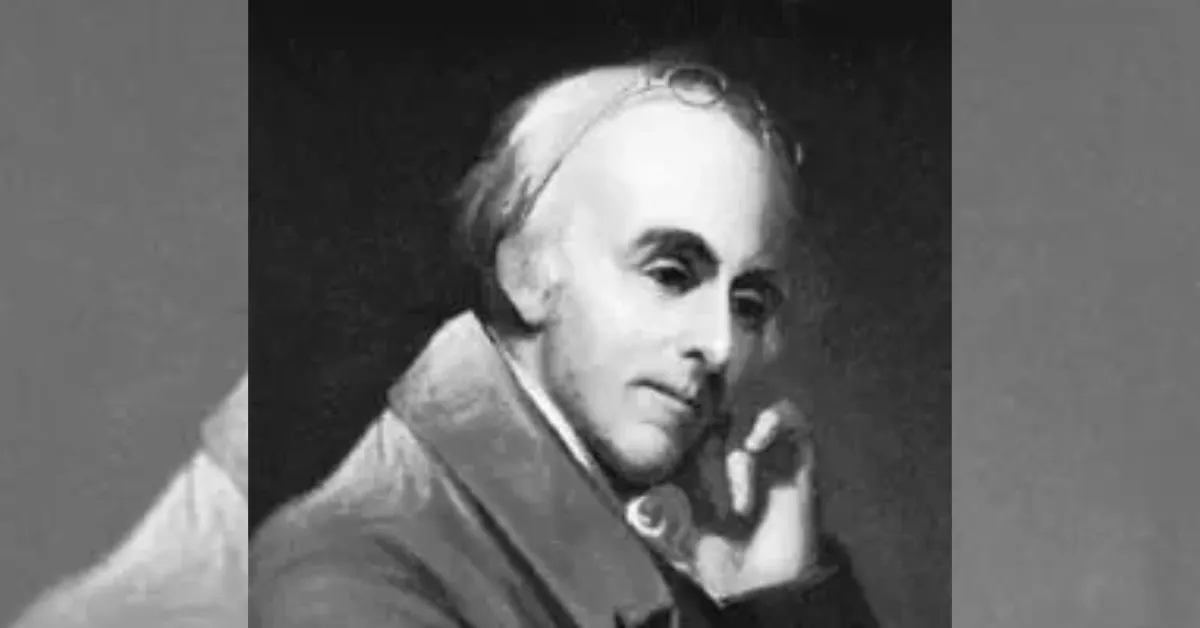
By the late 18th century, dengue-like epidemics were being reported across parts of Asia, Africa and North America. In Philadelphia, physician Benjamin Rush described an epidemic in 1780 and later published an account of the illness in 1789. He called it “breakbone fever”, referring to the severe pain experienced by patients.
The Madras outbreak belongs to this wider history of unexplained epidemics. Modern medical reviews identify it as the earliest recorded dengue-like epidemic in India, but the surviving historical record does not establish a definitive diagnosis.
The uncertainty is not unusual. Before the development of modern virology, physicians often relied on symptoms, patterns of illness, and observations of how a disease spread. These accounts remain valuable, but they cannot always distinguish one infection from another.
When science began to identify the virus
The turning point came in the 20th century, when researchers began isolating the viruses responsible for diseases that had previously been recognised only through clinical symptoms.
In 1943, Japanese researchers isolated the dengue virus during an epidemic in Nagasaki. The virus was isolated in Calcutta, now Kolkata, in 1944 from serum samples collected from US soldiers.
These discoveries transformed dengue research. Scientists could begin studying the virus itself, rather than relying entirely on symptoms and historical descriptions.
India’s first virologically confirmed dengue epidemic occurred in Calcutta and along the eastern coast in 1963–1964. This was a crucial milestone, providing evidence that the disease was circulating in the country.
The distinction between the Madras and Calcutta outbreaks is important. The 1780 epidemic offers evidence of a dengue-like illness, while the later outbreak established dengue through virological evidence. The two events belong to the same broad history, but they represent different levels of scientific certainty.

Dengue is transmitted primarily through the bite of infected Aedes aegypti mosquitoes, although Aedes albopictus can also transmit the virus. The disease can cause fever, severe headache, muscle and joint pain, and, in some cases, life-threatening complications.
The development of virology eventually allowed researchers to distinguish dengue from other infections that produce similar symptoms.
A historical mystery with a modern lesson
The story of the 1780 Madras epidemic is a reminder that medical history is not always a straightforward account of discoveries. Sometimes, the earliest evidence of a disease comes from records that cannot fully explain what happened.
Modern researchers have identified the outbreak as dengue-like, but its precise cause remains uncertain. That qualification does not diminish its significance. Instead, it highlights the limits of historical diagnosis and the importance of interpreting medical records carefully.
Today, dengue remains a major public health concern across tropical and subtropical regions. The disease’s history in India stretches from the recorded epidemic in Madras to the laboratory-confirmed outbreaks of the 20th century.
The 1780 epidemic may never yield a definitive diagnosis, but it remains an important clue in the long history of dengue. It shows that the diseases science identifies today may have affected communities long before the tools to recognise them existed.
Sources
‘Dengue in India‘: by Nivedita Gupta, Sakshi Srivastava, Amita Jain and Umesh C. Chaturvedi for the Indian Journal of Medical Research, Published on September 2012
‘Dengue and Dengue Haemorrhagic Fever: Indian Perspective‘: by U C Chaturvedi and Rachna Nagar for the Journal of Biosciences, Published on November 2008
‘Factsheet for Health Professionals About Dengue‘: by the European Centre for Disease Prevention and Control, Published in 2023
‘On Epidemics of Dengue Fever; Their Diffusion and Etiology‘: by Dr Christie for the British Medical Journal, Published in 1881
‘Dengue in Chennai: A Retrospective Study‘: by the World Health Organization, Published in the Dengue Bulletin, Volume 41, 2020
Disclaimer : This story is auto aggregated by a computer programme and has not been created or edited by DOWNTHENEWS. Publisher: thebetterindia.com