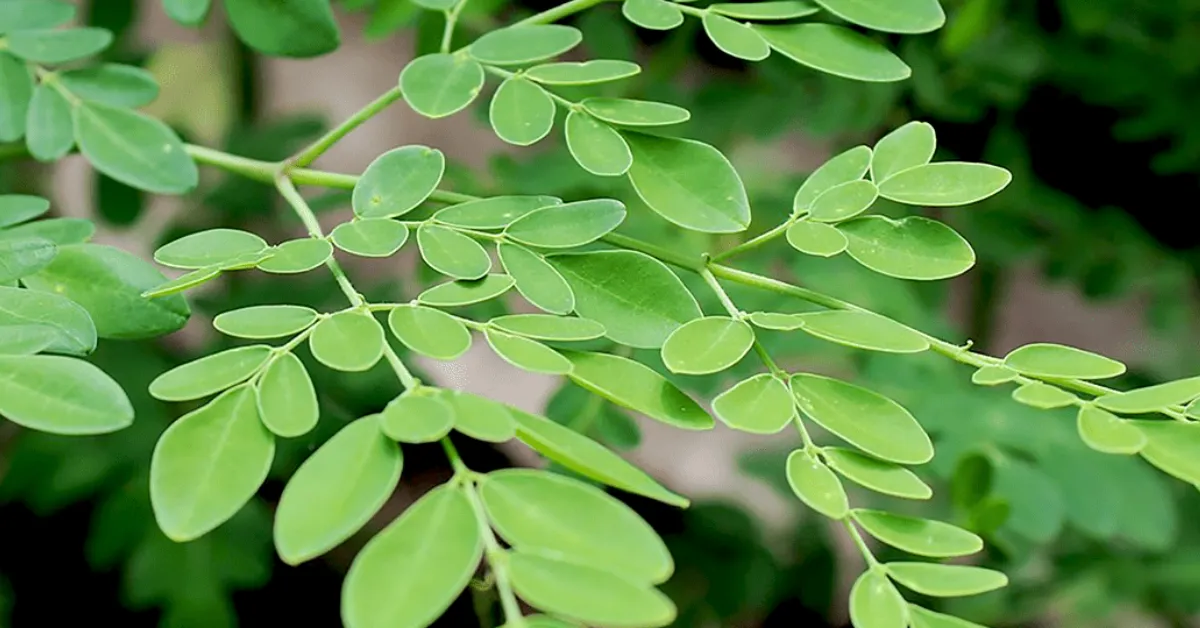
By the time summer settles across much of India, daily life begins to revolve around the heat. Afternoons stretch longer, appetites grow lighter, and the search for simple but nourishing food becomes more urgent than ever. It is in this season that certain plants prove their worth, and moringa is one of them.
Unassuming yet surprisingly generous, this tree has long been a part of Indian homes and kitchens. From its tender leaves to its familiar drumsticks, it offers both comfort and nourishment when the body needs it most. It stands apart for the ease with which it adapts to even the most unforgiving environments.
For anyone looking to grow something useful, moringa makes a compelling case. It asks for very little attention, adapts easily to small spaces and continues to give through the toughest months.
Why moringa works so well in Indian summers
It stands up to the heat
Moringa is naturally suited to hot climates. Where many plants struggle to cope with rising temperatures, it continues to grow consistently. Even during dry spells, it remains surprisingly tough.
It adds real value to everyday meals
The leaves are rich in essential nutrients and mix easily with familiar dishes. Whether stirred into dal or added to a sabzi, they bring both flavour and nourishment without much effort.
It supports lighter summer eating
In hot weather, heavy meals can feel overwhelming. Moringa fits well into simple, easy-to-digest recipes that are better suited to the season.
It grows rapidly and asks for little
For beginners, this is one of the easiest trees to start with. It does not demand constant care and rewards, even basic attention, with stable growth.
1. Choosing the right variety
Before planting, it is worth deciding what you want from your tree.
- For pods: Choose a variety known for long and tender drumsticks.
- For leaves: Most common varieties will do well, as leaf production is abundant.
- For small spaces: Look for dwarf varieties or plan to prune regularly.
Seeds are easily available from local nurseries or trusted online sellers.
2. Selecting the ideal spot
Moringa needs sunlight to grow well. Pick a location that receives at least six to eight hours of direct sunlight daily.
- A terrace, balcony or open yard works well
- Allow good air circulation
- Avoid areas where water tends to collect after rain
If planting in a pot, choose a large container to give the roots enough room to spread.
3. Preparing the soil
Good soil makes all the difference.
- Use well-drained soil. Moringa does not like waterlogged conditions
- Mix garden soil with sand and compost in equal parts
- Make sure the pot or ground has proper drainage
The goal is to create a light, airy mixture that allows water to pass through easily.
/filters:format(webp)/english-betterindia/media/media_files/2026/04/15/grow-moringa-at-home-2026-04-15-09-37-31.png)
4. Step-by-step planting process
- Soak the seeds in water for 12 to 24 hours. This helps speed up germination
- Make a small hole about one inch deep in the soil
- Place one seed in each hole and cover it lightly with soil
- Water gently without flooding the soil
Seeds usually sprout within one to two weeks.
5. Watering the right way
Moringa does not need excessive watering.
- Water lightly every two to three days during the early stage
- Once established, reduce watering to once a week
- Always check the soil before watering. If it feels moist, wait
Overwatering is one of the most common mistakes and can damage the roots.
6. Pruning for a better yield
When the plant reaches about one metre in height, trim the top. This encourages branching and results in more leaves and pods.
7. Feeding the plant
Moringa does not need heavy fertilisation. Adding compost once a month is enough to keep it healthy.
8. Protecting from pests
Moringa is fairly resistant, but keep an eye out for common pests. An easy neem oil spray can help if needed.
9. Growing moringa in pots
If space is limited, moringa still adapts well.
- Use a pot that is at least 12 to 18 inches deep
- Confirm strong drainage holes
- Prune regularly to control height
/filters:format(webp)/english-betterindia/media/media_files/2026/04/15/grow-moringa-at-home-2026-04-15-09-40-50.png)
Container-grown moringa may not grow as tall, but it can still provide a consistent supply of leaves.
10. Harvesting moringa
Leaves can be picked once the plant is well established, usually after two months. Harvest regularly to encourage fresh growth.
11. When to harvest pods
Pods are ready when they are still tender and green. Avoid letting them become too hard, as they lose their best texture.
Making the most of your tree
Moringa is more than just a plant. It becomes a part of daily life.
With minimal effort, it keeps giving throughout the season.
Disclaimer : This story is auto aggregated by a computer programme and has not been created or edited by DOWNTHENEWS. Publisher: thebetterindia.com