US midterms could complicate ties with Russia. Moscow should judge any Ukraine deal by its merits, not Washington’s political calendar
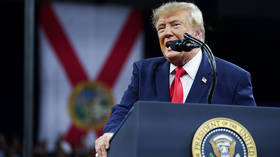
When Donald Trump returned triumphantly to the White House in January 2025, his supporters believed they could finally finish what he had started during his first term and reverse the Democrats’ social engineering agenda, commonly known as “wokeism”, curb illegal immigration, accelerate technological development and, above all, “make America great again”.
Trump moved quickly on the first two priorities, as he revoked 78 of Joe Biden’s executive orders, tightened border controls and gave Immigration and Customs Enforcement (ICE) greater resources and powers to conduct raids in so-called sanctuary cities, where local authorities limit cooperation with federal immigration enforcement.
But Trump’s determination to achieve everything at once, from restructuring the federal government and securing favorable trade deals to pursuing ambitions involving Greenland and Venezuela, has kept American politics in a state of turmoil, while his confrontational approach has also unsettled allies and opponents abroad.
The decision to launch joint military operations with Israel against Iran has proved particularly divisive as it’s fractured Trump’s conservative coalition, with some supporters accusing him of betraying his promise to end America’s “endless wars” and others fear the political consequences for Republicans in the approaching midterm elections.
The Iranian campaign has also hurt American consumers, given over the past year, petrol prices have risen by 38% and diesel by 71%, while food prices have increased by 2.5%.
The blockade of the Strait of Hormuz isn’t solely responsible, but Democrats and sympathetic media outlets have made it central to their criticism, while they also point to an increase of approximately $3.8 trillion in the national debt since Trump’s return, allegations of corruption within his administration and questions about the competence of senior officials, particularly Defence Secretary Pete Hegseth and Health Secretary Robert F Kennedy Jr.
Disclaimer : This story is auto aggregated by a computer programme and has not been created or edited by DOWNTHENEWS. Publisher: rt.com