During the Formula 1 Monaco Grand Prix, Alex Albon was running in 10th place, with his team-mate Carlos Sainz directly behind him in 11th. However, a problem was brewing: drivers from behind who had pitted early for fresh rubber – opting for an undercut strategy – were closing in at an alarming pace. Chief among them was Nico Hulkenberg.
The Audi driver had already switched from medium to hard tires on lap 12, a move that paid off handsomely. In the subsequent laps, the German was, on average, two seconds per lap faster than the two Williams drivers, who were still out on their starting tyres.
At one point, Hulkenberg was virtually up to seventh place and could potentially have fought for those positions after the pit stops of Pierre Gasly and Lando Norris. But it was not to be.
Williams deployed a deliberate blocking strategy through Sainz, allowing team-mate Albon to pit for what was essentially a free tyre change. Following Norris’ retirement, the roles had to be reversed: suddenly Sainz was in 10th place and inside the points.
How George Russell tried to outsmart his drive-through penalty
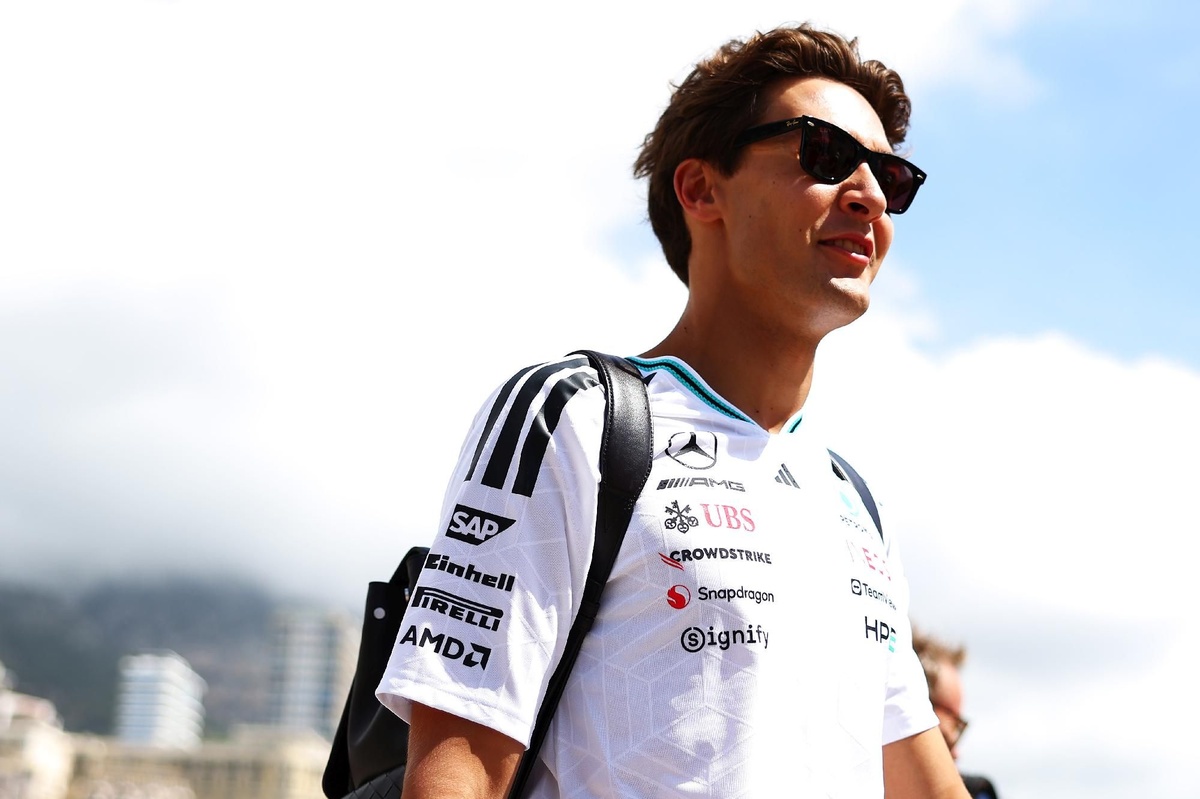
Things took an even more bizarre turn after the red flag during the restart. Then, George Russell attempted a remarkable backing-up tactic. The Briton had incurred a drive-through penalty, which he was required to serve no later than three laps after the restart.
Russell’s plan was clear: deliver an extremely slow first lap to bunch up the field behind him, followed by a blistering second lap to potentially build a big enough gap to stay in the points regardless. While the plan ultimately failed – Russell finished 12th – the idea was undoubtedly clever.
George Russell backed up the pack on the restart
Photo by: Erik Junius
At the same time, this example highlights the fundamental issue. The race in Monaco has very little to do with classic racing; even under the current regulations, overtaking remains virtually impossible.
Instead, the grand prix transforms into a strategic game of chess, which certainly holds its own appeal – at least for those fascinated by tactics and strategy. However, anyone tuning in primarily for pure wheel-to-wheel racing rarely gets their money’s worth in the principality.
When did these team tactics become fashionable?
Monaco has always been a strategically dominated race. Especially at the front, drivers have frequently controlled the pace intentionally to keep the field tightly bunched and close down any potential undercut windows for challengers behind. A similar approach has regularly been seen in Singapore.
In recent times, however, these tactics have reached a new dimension. Last year’s mandatory two-stop strategy highlighted the sheer absurdity of many manoeuvres. Ironically, it was Williams back then that deliberately slowed down the midfield to protect the position of the leading teammate.
Expectations for 2026 were therefore primed for similar games. This sentiment was echoed by the main victim, Hulkenberg: “That was a pretty bitter race,” he told Sky on Sunday.
“Unfortunately, you are completely at their mercy. It’s bitter and frustrating. We experienced it last year, and this year it was to be expected that if a team has two cars close together, it will happen again. And yes, unfortunately, that’s exactly how it turned out.”

Nico Hulkenberg: “You are completely at their mercy”
Photo by: Alex Bierens de Haan / LAT Images via Getty Images
Nevertheless, this specific brand of team tactics only seems to have gained widespread popularity in recent years. In 2017, for instance, Ferrari locked out the front row with Kimi Raikkonen and Sebastian Vettel. Back then, they drove a conventional race without artificially slowing anyone down, even though Ferrari could have secured their one-two finish much more easily that way.
Norris, Lindblad, Colapinto: The blockades that never were
Furthermore, the issue cannot be reduced solely to situations where two cars from the same team run nose-to-tail. One thing is certain: if Sainz hadn’t held up the field for Albon, another driver would have stepped into that role sooner or later.
As mentioned, Hulkenberg was virtually ahead of Gasly and Liam Lawson at points. Behind Sainz, Arvid Lindblad and Franco Colapinto were running outside the points. Had Sainz not backed up the pack for Albon, Lindblad could have done the exact same thing later for Lawson to ensure he stayed ahead of Hulkenberg. The same logic applies to Colapinto acting in Gasly’s interest. Ultimately, neither driver had anything to lose.
Norris also provides an interesting angle in this scenario. Before his retirement, the Briton was running ahead of Russell and Isack Hadjar but still needed to pit. Had Norris stayed in the race, McLaren could have utilised a blocking tactic of their own to potentially help Oscar Piastri secure an unexpected third place.
The Monaco Grand Prix may have seemed dull for long stretches, but tactically and strategically, it offered immense tension from the very start. Yet, the question remains: is this how Formula 1 should present itself? Should a race be distorted so heavily by tactical games?
Why there will be no solution
Sky pundit Timo Glock summed it up perfectly after the race: “That’s part of the game here, and as a team, you’re entitled to execute it.” McLaren CEO Zak Brown expressed a similar view when asked about the Williams blockade.
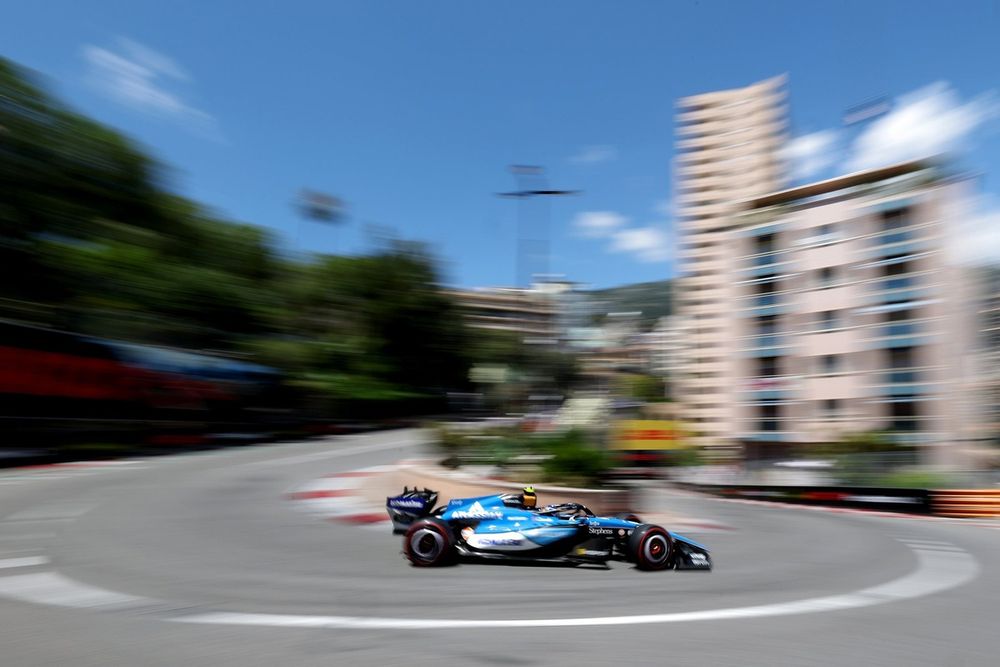
Track redesign may be the only solution, but is it possible in Monaco?
Photo by: Sam Bloxham / LAT Images via Getty Images
At the end of the day, such conduct is virtually impossible to penalise. Even defining the boundary between a legitimate racing pace and deliberate slowing down is impossible to judge objectively. The performance differentials between cars are too vast, and the variables too numerous. Perhaps Sainz was simply struggling with his tires? Joking aside, who could ever prove otherwise beyond a shadow of a doubt?
If the problem is to be solved at all, it must be tackled at its roots. Artificial interventions will only worsen the situation rather than improve it – as last year’s failed mandatory two-stop rule impressively demonstrated.
The only sustainable solution would be a track redesign that facilitates overtaking and renders such tactics obsolete. Softer tires with higher degradation rates could also help mitigate the issue to some degree.
Alternatively, one simply has to accept Monaco for what it is: a qualifying spectacle on Saturday, followed by a strategic tactical war without real racing on Sunday.
We want your opinion!
What would you like to see on Motorsport.com?
– The Motorsport.com Team
Disclaimer : This story is auto aggregated by a computer programme and has not been created or edited by DOWNTHENEWS. Publisher: motorsport.com