
- Parliament will consider three bills for women’s reservation and delimitation.
- Reforms aim to redraw constituencies using 2011 Census data.
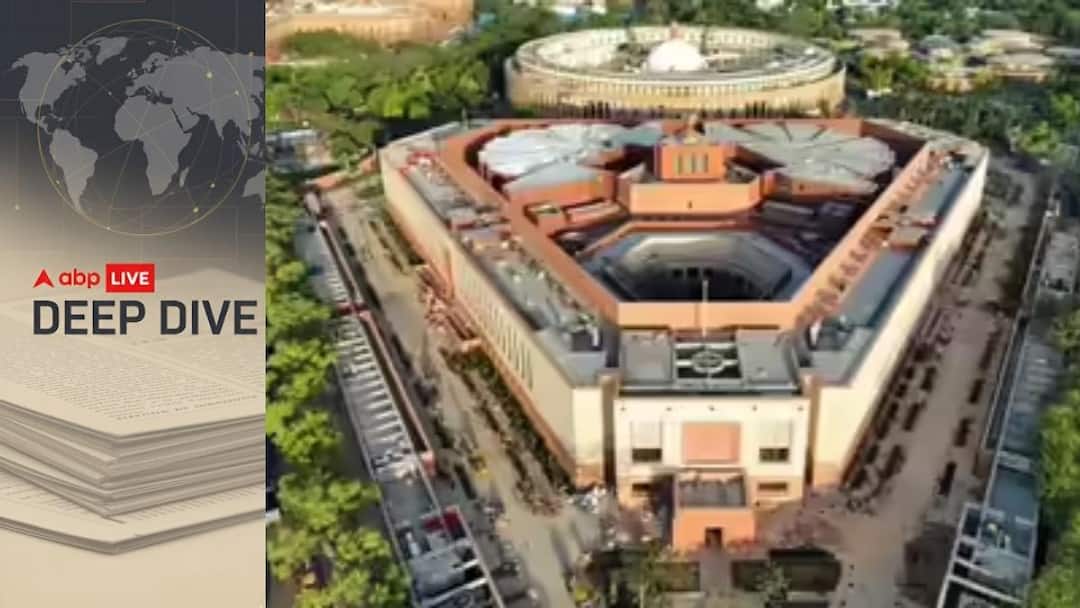
The government is set to introduce three key bills in Parliament, including the long-awaited 33% women’s reservation in legislatures, alongside delimitation and Union Territories seat expansion proposals. The reforms, aimed at rollout before the 2029 Lok Sabha elections, are expected to significantly reshape India’s electoral map and political representation.
The legislative package comprises the Constitution (131st Amendment) Bill, 2026, the Delimitation Bill, 2026, and the Union Territories Laws (Amendment) Bill, 2026. These measures seek to redraw constituencies using the 2011 Census, expand the Lok Sabha, and operationalise women’s reservation through a fresh delimitation exercise.
NDA Falls Short Of 67 Seats In LS
The government faces a tough numerical challenge in Parliament. In the Lok Sabha, the ruling NDA has 293 members, falling short by 67 seats of the two-thirds majority mark of 360 required for constitutional amendments. In the Rajya Sabha, the NDA is around 21 seats short of the 163-mark, making Opposition support or abstention crucial for passage.
The proposed delimitation is expected to disproportionately increase the number of seats in the Hindi-belt states (such as Uttar Pradesh, Bihar, Madhya Pradesh, Rajasthan), where the BJP currently holds a strong base.
While the redrawing of constituencies is expected to favor the BJP by increasing its representative strength in high-growth northern states, the ultimate outcome of any election depends on voter behavior at that time. The realignment is structurally designed to reward high-demographic growth areas, which align with current BJP strongholds.
Will Delimitation Be South India’s Loss?
Critics have also warned that delimitation based on the 2011 Census could tilt representation in favour of high-population northern states while reducing the relative weight of southern states, potentially disturbing the federal balance. Opposition leaders, including Rahul Gandhi, have accused the government of attempting to influence electoral outcomes through expanded powers to the Delimitation Commission.
Meanwhile, Tamil Nadu Chief Minister M K Stalin announced a state-wide black flag protest on Thursday, accusing the Union government of pushing a move that could undermine state’s political weight. After convening an emergency meeting of DMK MPs and district secretaries, Stalin said the proposed delimitation exercise was a “grave danger” and likened it to a looming threat that had now materialised.“This is not about parties, but about protecting the rights of our people,” he said, urging MPs across India to unite in defence of federalism.
The proposed exercise could increase the Lok Sabha’s strength from 543 to around 815 seats, including 35 seats for Union Territories, marking one of the biggest structural changes to India’s Parliament. With strong resistance from multiple Opposition and regional parties, the special session is expected to witness a sharp political showdown over electoral reform and federal representation.
Related Video
Delhi flood update: once again AAP points out BJP, for Delhi’s present situation
Disclaimer : This story is auto aggregated by a computer programme and has not been created or edited by DOWNTHENEWS. Publisher: abplive.com



