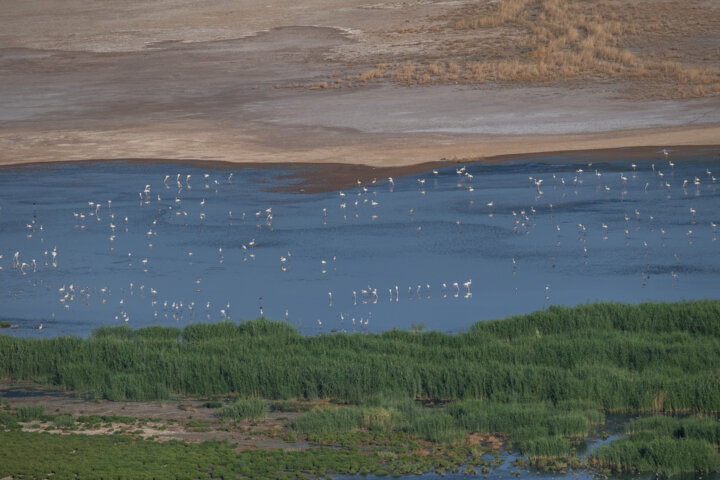
TEHRAN – Iran ranks among the top 20 countries in the world for biodiversity and is home to a variety of plant and animal species. However, in recent years, certain actions have destroyed habitats and pushed many species to the brink of extinction.
So far, more than two million plant and animal species have been identified in the world, of which 43,000 exist in Iran. In fact, there are 11 types of ecosystems in the world, including aquatic, terrestrial, natural, and artificial ecosystems. Iran has 9 of these 11 ecosystems. Also, out of the 42 types of wetlands in the world, 41 types have been identified in Iran.
According to the Department of Environment, some 2,000 animal species, including mammals, birds, reptiles, amphibians, and inland fish, and about 1,200 fish species have been identified in the country’s ecosystems. Of these species, 210 mammal species, 640 bird species, 300 reptile species, 23 amphibian species, and 350 inland fish species can be mentioned.
According to statistics, Iran can be considered the cradle of genetic diversity in the world. Even in international classifications, it is considered among the countries with high biodiversity. However, Iran’s biodiversity, like the rest of the world, faces many challenges such as habitat destruction, overhunting, drought, and climate change.
Studies show that 148 vertebrate species in the country are endangered, including critically endangered species, endangered species, and critically vulnerable species.
Given the current circumstances, let’s all join hands to protect biodiversity, because the future of the Earth, the future of life, and the future of the next generations depend on our decisions and actions today.
Acting locally for global impact
May 22 is celebrated as the International Day for Biological Diversity. This International Day for Biological Diversity, under the theme “Acting locally for global impact”, a powerful idea is placed at the center: major changes begin on a small, local scale. The success of this plan to reverse biodiversity loss depends on the strength of local actions—on the commitment of communities, organizations, and governments working together.
As the global community is called to re-examine our relationship to the natural world, one thing is certain: despite all our technological advances, we are completely dependent on healthy and vibrant ecosystems for our water, food, medicines, clothes, fuel, shelter, and energy, just to name a few.
This involves respecting, protecting, and repairing our biological wealth.
In December 2022, the world came together and agreed on a global plan to transform our relationship with nature. The adoption of the Kunming-Montreal Global Biodiversity Framework sets 23 targets for 2030 and four global goals for 2050 to stop and reverse the loss of nature.
Among its goals: restore 30% of degraded ecosystems, conserve 30% of land, waters, and seas, reduce the introduction or settlement of invasive alien species by 50%, and mobilize $200 billion per year for biodiversity, all by 2030.
Disclaimer : This story is auto aggregated by a computer programme and has not been created or edited by DOWNTHENEWS. Publisher: tehrantimes.com