
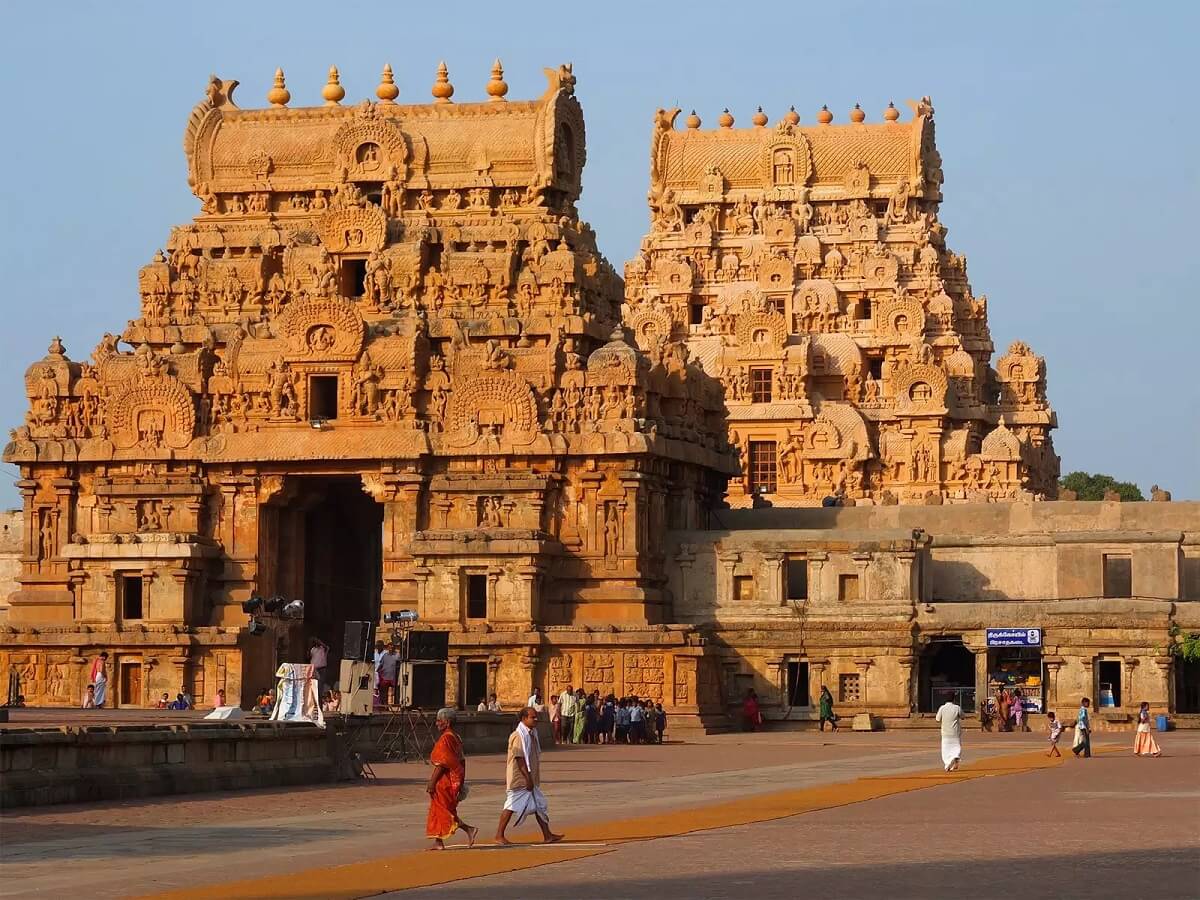
This year we are celebrating world Heritage Day with a theme- Emergency Response for Living Heritage in Contexts of Conflicts and Disasters. This theme explains itself that preserving heritage sites across the world is very necessary, highly important yet very difficult too. We observe the distressed situations in the world, both man-made and natural calamities. Heritage sites often face the impacts of stressful situations in the world and preserving them becomes difficult.
Let’s see one instance of how preserving the world heritage sites become difficult and danger with this story of Khmer Temple in Cambodia. Thailand and Cambodia, the neighbouring Southeast Asian countries have been fighting over Preah Vihear temple on and off for decades, and that has damaged deep this 11th-century Hindu temple atop a 525-meter (1,722-foot) cliff in the Dangrek Mountains.
Built by the same Khmer Empire that constructed Angkor Wat 160 kilometers (100 miles) southwest, the temple, which is dedicated to the Hindu god Shiva, was declared a UNESCO World Heritage site in 2008 and is held as an important cultural relic.
World heritage sites are often neglected and underrated by citizens living around and even the tourists. Restoration work of heritage sites is extremely difficult, time consuming and complicated but we are able to experience all these magnificent living legacies of our across the world due to the efforts from UNESCO. The International Council on Monuments and Sites (ICOMOS) organizes this day, first observed in 1983, to promote protecting cultural heritage. World heritage sites are treasured gems that embody centuries of culture and history, offering a window into civilizations that continue to shape our modern world.
What Are World Heritage Sites?
World heritage sites are landmarks chosen for their exceptional cultural or natural significance. These protected places ensure that traditions, natural beauty, and historical narratives are conserved for future generations. Organizations like UNESCO set criteria to recognize and safeguard these cultural and environmental wonders, maintaining a delicate balance between preservation and modern discovery.
UNESCO’s Role in Heritage Protection
UNESCO’s enduring mission is to protect and celebrate these treasures under the World Heritage Convention established in 1972. The criteria for selecting these sites consider both cultural and natural values, highlighting the importance of history, architecture, art, and natural landscapes.
Types of World Heritage Sites
Cultural Heritage Locations
Cultural heritage sites are our tickets to history—from the Taj Mahal of Agra to the pyramids of Giza. These locations remind us of how human creativity and resilience have transformed ordinary landscapes into symbols of cultural identity and pride.
Natural Heritage Wonders
Natural sites like the Madhya Pradesh’s Bhim Betka and ancient city of Machu Picchu inspire awe with their stunning beauty and ecological importance. These protected areas remind us of the power of nature and the need to conserve our environment for balanced, sustainable development.
Iconic Historical Landmarks
From the Churches of Goa to the mystique surrounding the Pyramids of Giza, each site tells a story of human achievement and historical evolution. India shines with its diverse range of 42 heritage treasures.
Cultural and Historical Significance
These sites serve as living museums that harbor our collective identity and history. They not only celebrate past triumphs and challenges but also nurture a sense of belonging and pride among communities. By preserving these treasures, we ensure that future generations can enjoy a tangible connection to their roots.
Heritage Tourism Destinations
Heritage tourism enhances local economies and bolsters sustainable development. Travelers are drawn to these sites because they offer immersive experiences that blend luxury, comfort, and unforgettable cultural encounters.
Importance of World Heritage sites
World Heritage sites are globally recognized landmarks that hold cultural, historical, or natural significance. They are protected under the UNESCO World Heritage Convention to ensure their preservation for future generations. These sites safeguard humanity’s shared heritage, fostering cultural understanding, environmental conservation, and sustainable tourism.
World Heritage Sites in India and in the world
As of 2026, India has 42 UNESCO World Heritage Sites, including cultural, natural, and mixed properties. These include 36 cultural sites, seven natural sites, and one mixed site (Khangchendzonga National Park).
Italy holds the record for the highest number of World Heritage Sites, showcasing its rich cultural and historical legacy.
UNESCO’s Supervision
World Heritage is overseen by the United Nations Educational, Scientific and Cultural Organisation (UNESCO). Founded in 1945, it’s a specialised agency within the United Nations that aims to contribute to peace and security by promoting cooperation in education, sciences, culture, communication and information.
UN Convention for World Heritage
It’s called the Convention Concerning the Protection of the World Cultural and Natural Heritage (or the World Heritage Convention for short) and it’s a document that sets out what kind of sites can be considered for inscription on the World Heritage List. There are 195 countries that have ratified (accepted) the convention. Of the 195 countries, 168 have a World Heritage site listed.
World Heritage sites can be nominated for cultural or natural values (or both)
To be included on the World Heritage List, sites must be of outstanding universal value and meet at least one out of ten selection criteria that outline the cultural or natural values the site must meet.
Getting a site inscribed on the World Heritage List
Countries each have to keep a “tentative list” of sites they want to nominate for inscription on the list and a site has to be on that list for at least a year before it can be formally nominated. Once a site has been nominated, the process to assess whether it’s worthy of World Heritage status takes around 18 months. it takes years to prepare, submit and assess a site for World Heritage status.
World Heritage nomination
World Heritage nominations are submitted to the UNESCO World Heritage Centre and, depending on the nature of the nomination, are evaluated by the IUCN (International Union for the Conservation of Nature), or the ICOMOS (International Council on Monuments and Sites). The councils then provide a recommendation to the World Heritage Committee. The assessment process takes around 18 months. As of July 2025, there are 1,248 UNESCO world heritage sites globally, located across 170 States Parties. These sites comprise 972 cultural, 235 natural, and 41 mixed properties.
World Heritage Sites are more than just landmarks—they are vital pieces of our shared history and culture. Let’s protect and preserve our priceless cultural and natural heritage, it is our legacy and responsibility. Our monuments speak of history, culture, and pride. Let’s come together to protect & preserve them because our heritage is our identity. It’s not just the past we protect, it’s the future we shape.
Disclaimer : This story is auto aggregated by a computer programme and has not been created or edited by DOWNTHENEWS. Publisher: deccanchronicle.com








