Sea ‘sparkles’ as bioluminescent plankton turn waves electric blue
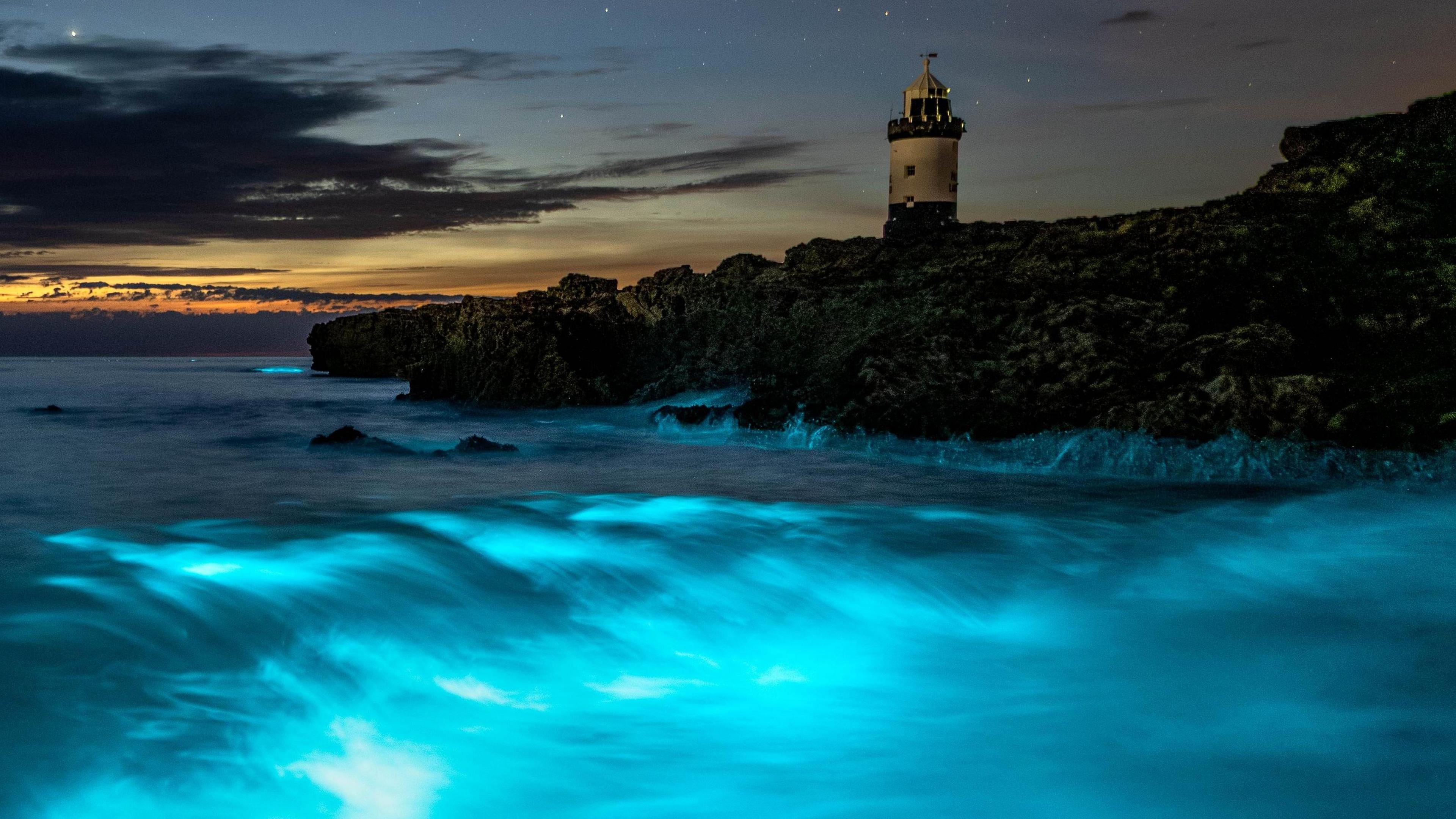 Image source, Paul Joels
-
Published
A man travelled hundreds of miles to photograph “electric blue waves” at night on a Welsh beach.
The magical phenomenon, known as bioluminescence, was spotted by onlookers at Penmon Point on Anglesey on Saturday.
Paul Joels, 44, drove from Nottinghamshire to capture the “sparkles”, along with other photographers and locals from the area.
The natural phenomenon is caused by bioluminescent plankton, tiny creatures floating in the sea that have the ability to emit light when disturbed by a predator or motion.
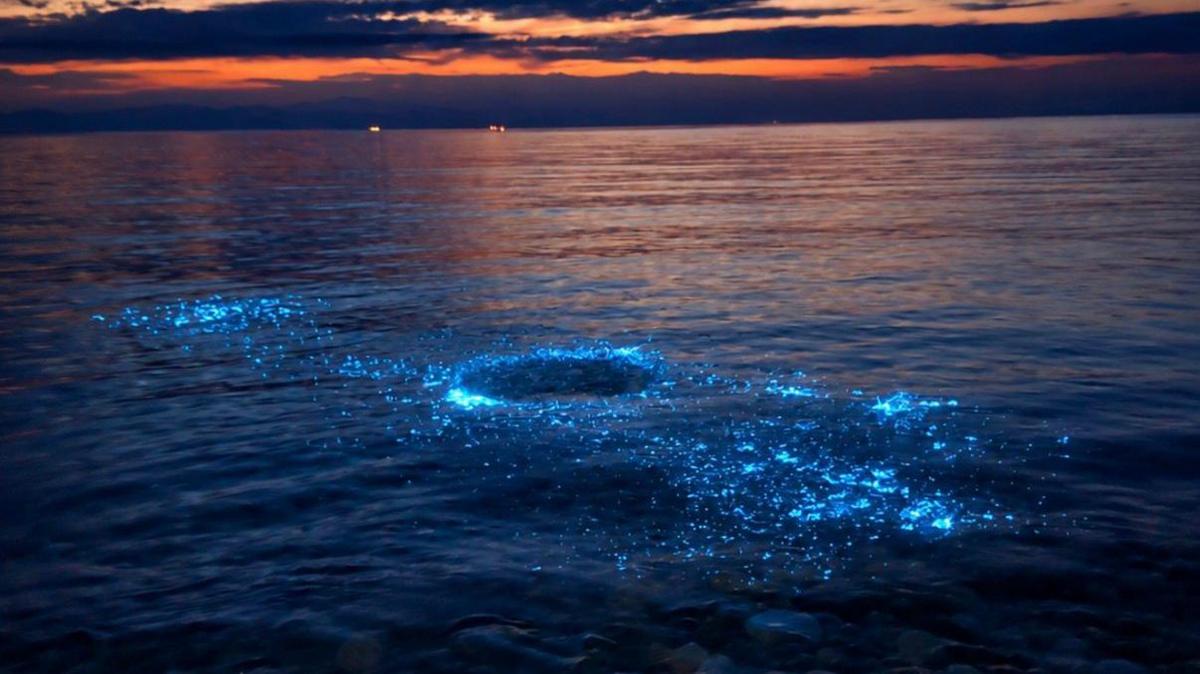 Image source, Danial Jones
Joels said although he was fully aware some people might think he is “bonkers” for taking on the long-distance journey, to him it was worth it.
“It’s a photography that I really love and enjoy, not just bioluminescent but nighttime photography,” he said.
Joels admits he has had mixed success when trying to spot bioluminescence and a lot of planning goes into preparing for a trip.
“You never quite knows if it’s all going to work out but that’s part of the enjoyment in a strange way,” he added.
Charlotte Kite, 45, from Denbigh, has been doing dark night photography for just over a year and has tried on at least five occasions to secure a shot of bioluminescence, but was unsuccessful.
That was until she joined Joels on the beach on Saturday with about six other people, after sightings of sparkles in the water the night before.
She said it was by chance and luck they were able to see such a good display.
Kite said the pair arrived at 23:00 BST and could see what she described as splashes of “electric blue lightning” in the water.
“It really is as bright as how it looks in the photos, it’s not a camera trick,” she added.
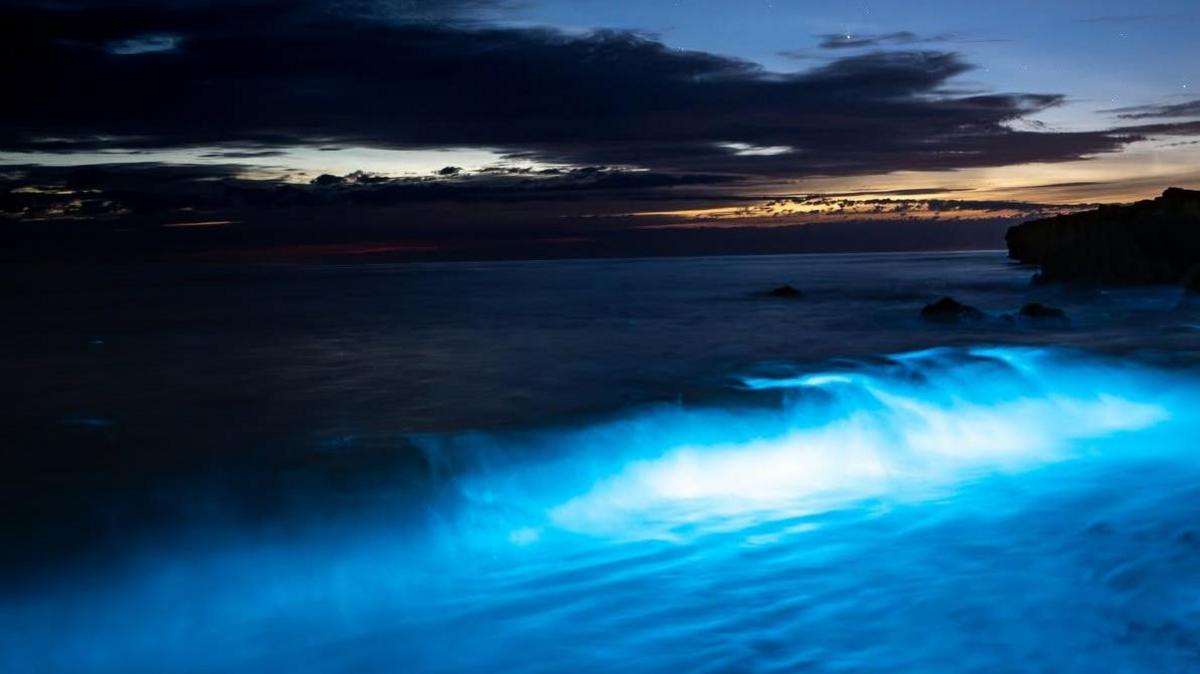 Image source, Charlotte Kite
What is bioluminescence?
Bioluminescence is light emitted by living things as a result of chemical reactions within their bodies.
Plankton, which are tiny creatures that float in the sea, have the ability to emit bioluminescence when they are disturbed by a predator or motion.
The trick is also shared by certain squid and jellyfish species, as well as insects such as fireflies and glow-worms.
The result sees hordes of onlookers regularly flock to certain parts of the UK coast each year to witness it first-hand during the nighttime hours.
There are even numerous sites on social media where enthusiasts meet to share information with other plankton-seekers about the best times and places in which to do so.
More top stories
-
-
Published8 minutes ago
-
-
-
Published9 hours ago

-
-
-
Published5 hours ago
-
Disclaimer : This story is auto aggregated by a computer programme and has not been created or edited by DOWNTHENEWS. Publisher: BBC