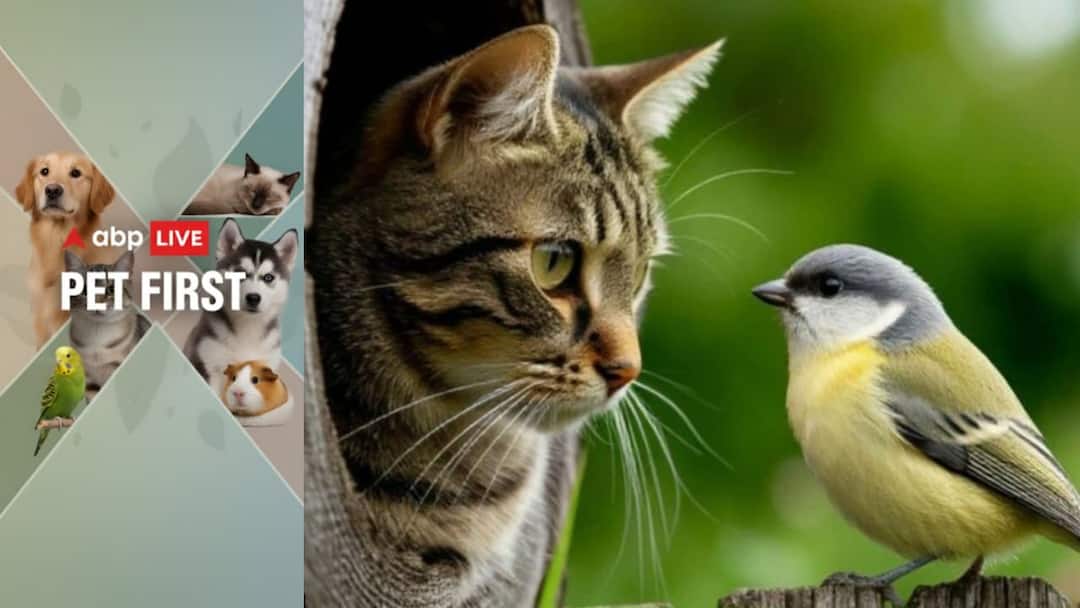
- H5N1 bird flu can infect cats, though risk remains low.
- Cats contract virus from sick animals, raw products, environment.
- Monitor for lethargy, appetite loss; seek immediate veterinary care.
- Prevent exposure: keep cats from birds, livestock, raw dairy.
Bird flu, also known as avian influenza, is generally associated with birds, but the H5N1 strain can also infect several mammals, including cats. While the risk to domestic cats is currently considered low, pet parents should still be aware of how the virus can spread and what symptoms to watch for. According to veterinary experts cited by Daily Paws, cats can potentially come into contact with H5N1 through infected animals, contaminated surfaces and certain food products. Outdoor cats, particularly those living around farms or livestock, may face greater exposure.
How Can Cats Get Bird Flu?
Cats can be exposed to bird flu in several ways. Contact with infected wild birds or livestock is one possible route. Cats may also become exposed if they eat dead wildlife or come into contact with objects contaminated with the virus. Another potential source of exposure is raw milk. Pet parents should therefore be careful about what their cats consume and avoid giving them unpasteurised dairy products. Outdoor and farm cats may be at comparatively higher risk because they have more opportunities to interact with birds, livestock and other animals.
READ MORE | Pet First | 4 Subtle Cat Behaviours That Mean Your Furry Friend Is Craving Attention
Symptoms Of Bird Flu In Cats
Bird flu can cause different symptoms in cats. Pet parents should watch for unusual changes in their cat’s behaviour or health.
Common Symptoms To Watch For
In some severe cases, the infection can be fatal. Veterinary experts have also reported that some cats infected with the virus may die without showing obvious signs of illness.
Can Cats Spread Bird Flu To Humans?
H5N1 can infect both animals and humans. However, according to the veterinary expert cited by Daily Paws, infected cats are not currently considered a significant source of H5N1 infection for humans or other animals. The overall risk to domestic cats is considered low at present, although researchers continue to study how the virus spreads between animals.
Is There A Treatment For Bird Flu In Cats?
Cats infected with bird flu may recover, but there is no specific treatment designed specifically for H5N1 in cats. Treatment generally depends on the animal’s condition and the severity of its symptoms. This makes early veterinary attention important. If a cat suddenly becomes lethargic, stops eating, develops breathing-related symptoms, shows neurological changes or appears unusually unwell, pet parents should contact a veterinarian as soon as possible.
READ MORE | Pet First | 8 Fun Games To Keep Your Cat Active, Happy And Mentally Stimulated
How To Protect Cats From Bird Flu
There is currently no bird flu vaccine specifically available for cats. Preventing exposure is therefore an important part of protecting pets.
Keep Cats Away From Wild Birds And Livestock
Try to prevent cats from interacting with wild birds, poultry, livestock and animals whose health status is unknown.
Avoid Raw Or Unpasteurised Dairy
Do not give cats unpasteurised milk or dairy products, as these can potentially expose them to H5N1.
Change Clothes And Shoes After Animal Contact
If you have been around poultry, livestock, wildlife or sick animals, changing your clothes and footwear before interacting closely with your cat can help reduce the possibility of bringing contaminated material into the home.
Monitor Your Cat’s Health
Keep an eye on your pet’s appetite, activity level and behaviour. Any sudden or unusual symptoms should be discussed with a veterinarian.
What Cat Parents Should Remember
Bird flu in cats remains relatively uncommon, and the current risk to domestic cats is considered low. However, cats that regularly go outdoors or come into contact with birds, livestock or potentially contaminated material may have greater exposure. Keeping cats away from infected or sick animals, avoiding raw dairy products and seeking veterinary help when unusual symptoms appear can help pet parents protect their feline companions.
[Disclaimer: The information provided in this article is intended for general informational purposes only. It is not a substitute for professional veterinary advice, diagnosis, or treatment. Always consult a qualified veterinarian regarding your pet’s health, diet, or any medical concerns.]
Disclaimer : This story is auto aggregated by a computer programme and has not been created or edited by DOWNTHENEWS. Publisher: abplive.com