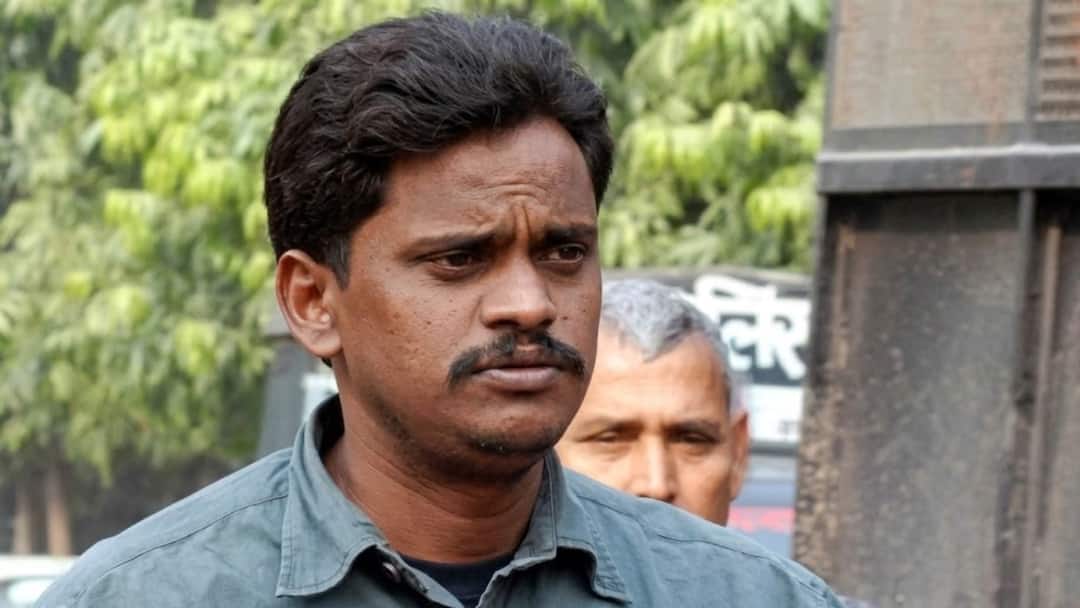
- Police investigate Koli’s death, suspecting suicide; no note found.
A routine act of helping a stranger find a room and a job in Haridwar has turned into a disturbing discovery for 28-year-old Jai Kashyap. Weeks after assisting a man who introduced himself as “Sada Ram”, Kashyap learnt that the person he had helped was Surendra Kumar Koli, the former central accused in the 2006 Nithari serial killings case.
Koli, who had spent years in custody in connection with the cases, was acquitted by the Supreme Court in his last pending case in 2025. He was later found dead at a tea stall in Haridwar, where he had been living and working shortly before his death.
Kashyap said he had no idea about the man’s past when they met in Roshanabad. He said he routinely helps people in his locality find vacant rooms or employment and assisted Koli in the same way.
Meeting A Stranger
Around 25 days before Koli’s death, he approached Kashyap in Roshanabad and introduced himself as Sada Ram. He reportedly told Kashyap that he was from Almora and was looking for accommodation as well as work.
Kashyap helped him arrange both. However, Koli stayed in the room only briefly after the landlord asked him to provide identification. Koli was unwilling to submit his Aadhaar card and subsequently left the accommodation.
He later told Kashyap that he intended to move to Haridwar and operate a tea shop. His acquaintance, Dharmender Kaushik, had rented a tea stall in his own name for Koli to run.
The two men subsequently lost contact.
“I helped him as a human being,” Kashyap said. He recalled that he had sensed that something was troubling the man, although Koli never explained what was bothering him.
Kashyap said he discovered Koli’s real identity only after his death. “I came to know his name today,” he told the Indian Express.
ALSO READ: IIT Bombay Student Dies By Suicide After Being Caught Cheating In Exam, Students Protest
Koli’s Last Weeks
According to police sources, Koli had reached Haridwar around a month and a half before his death. He initially worked as a security guard at a factory but later left the job.
Kaushik then helped him find another security position through a company responsible for managing an apartment complex. Koli, however, quit that job as well.
Around three days before his death, Koli began operating a small tea stall in Bhupatwala, opposite the Lal Mata Temple. The stall had again been rented in Kaushik’s name.
Koli moved his belongings from Roshanabad to the stall and began staying there. He had reportedly been living inside the premises and selling tea and biscuits for only about two days before his death.
Body Found At Stall
Kaushik discovered Koli’s body at around 10 am on Friday and informed the authorities.
According to Kaushik’s account to police, he found the stall’s shutter closed and knocked on it but received no response. He initially believed Koli might have been asleep. Koli was reportedly diabetic.
Circle Officer of Haridwar City Shishupal Singh Negi said the preliminary assessment indicated that the incident appeared to be a case of suicide. However, police did not find any suicide note at the scene.
The circumstances surrounding the death are being investigated by police.
Koli’s brother, Anand Koli, who lives in Almora district of Uttarakhand, said Surendra had visited the family in June and stayed with them for about two weeks.
Nithari Case Background
The Nithari killings came to light in 2006 after skeletal remains of several children were recovered from a drain behind the Noida residence of businessman Moninder Singh Pandher.
Koli had worked as a domestic helper at Pandher’s house. Both Pandher and Koli were arrested in connection with the cases that followed the discovery.
The cases resulted in lengthy legal proceedings and Koli remained in custody for nearly two decades. His final pending case reached the Supreme Court after his conviction was challenged through a curative petition.
On November 11, 2025, the Supreme Court accepted Koli’s curative petition in that final case, overturned his conviction and ordered his immediate release, subject to the condition that he was not required in any other case.
His death in Haridwar has now brought renewed attention to the final chapter of his life, including his brief attempts to find work and establish himself in the city under an assumed name.
Disclaimer : This story is auto aggregated by a computer programme and has not been created or edited by DOWNTHENEWS. Publisher: abplive.com