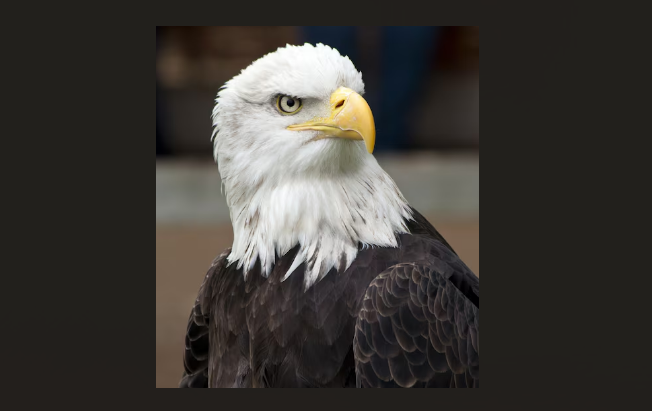
American Eagle Day 2026: Celebrating the Symbol of Freedom and Conservation Success
Introduction
Every year on June 20, Americans celebrate American Eagle Day, a special observance dedicated to honoring the bald eagle—the national bird and one of the most recognizable symbols of the United States. In 2026, American Eagle Day falls on Saturday, June 20, providing an opportunity for citizens, conservationists, educators, and nature enthusiasts to reflect on the remarkable story of this majestic bird and its importance to American heritage.
More than just a patriotic symbol, the bald eagle represents resilience, strength, courage, and the power of conservation. Its journey from near extinction to recovery is considered one of the greatest wildlife success stories in modern history.
The History of American Eagle Day
American Eagle Day is celebrated on June 20 because this date marks a significant moment in American history. On June 20, 1782, the bald eagle was officially chosen as the central image on the Great Seal of the United States. Since then, the eagle has appeared on government documents, military insignia, coins, and numerous national symbols.
The observance itself was established in 1995 following efforts by eagle conservation advocates who sought to create a national day dedicated to the bird. The goal was not only to honor the eagle’s role in American culture but also to raise awareness about the importance of protecting wildlife and natural habitats.
Why the Bald Eagle Became America’s National Bird
The bald eagle was selected as America’s national bird because of its impressive appearance, strength, and unique presence in North America. With a wingspan that can exceed seven feet, sharp eyesight, and powerful flight, the eagle symbolizes independence and determination.
The image of the eagle holding arrows and an olive branch on the Great Seal reflects the nation’s commitment to both strength and peace. Over the centuries, the bird has become deeply embedded in American identity, appearing in government buildings, official seals, military emblems, and public monuments.
Understanding the Bald Eagle
Despite its name, the bald eagle is not actually bald. The term “bald” comes from an old English word meaning “white-headed.” Adult bald eagles develop their distinctive white head and tail feathers at around five years of age.
Some fascinating facts about bald eagles include:
- They can fly at speeds of up to 40 miles per hour and even faster during dives.
- Their eyesight is several times more powerful than that of humans.
- They build some of the largest nests among North American birds.
- Bald eagles primarily feed on fish but may also eat small mammals and waterfowl.
- They are found throughout much of North America, particularly near lakes, rivers, and coastal regions.
These characteristics have contributed to the bird’s reputation as a powerful and majestic symbol.
The Near Extinction of the Bald Eagle
Although the bald eagle became a national symbol in the eighteenth century, its future was once far from secure.
During the nineteenth and twentieth centuries, bald eagle populations declined dramatically due to:
Habitat Destruction
Expanding human development reduced nesting areas and disrupted natural ecosystems.
Hunting and Persecution
For many years, eagles were hunted because they were incorrectly viewed as threats to livestock and fisheries.
Environmental Pollution
The widespread use of the pesticide DDT proved devastating. DDT weakened eggshells, causing eggs to break before chicks could hatch. As a result, eagle populations plummeted across the United States.
By the early 1960s, only a few hundred nesting pairs remained in the contiguous United States, raising fears that the national bird could disappear entirely.
A Remarkable Conservation Success Story
The recovery of the bald eagle stands as one of the most inspiring achievements in wildlife conservation.
Several actions contributed to its comeback:
Legal Protection
Federal laws were enacted to protect bald eagles from hunting and disturbance.
The Ban on DDT
In 1972, the United States banned the agricultural use of DDT, allowing eagle reproduction rates to improve.
Habitat Conservation
Protected nesting areas, wildlife refuges, and environmental restoration projects helped create safer environments for eagles.
Public Education
Conservation organizations educated citizens about the importance of protecting wildlife and preserving ecosystems.
As a result of these efforts, bald eagle populations steadily increased. In 2007, the species was removed from the U.S. endangered species list, marking a historic conservation victory.
The Importance of American Eagle Day in 2026
American Eagle Day 2026 carries special significance as environmental challenges continue to affect wildlife worldwide. While bald eagles have recovered impressively, conservation efforts remain essential to ensure future generations can enjoy and learn from these magnificent birds.
The day serves as a reminder that:
- Conservation programs can achieve extraordinary results.
- Human actions directly affect wildlife populations.
- Protecting ecosystems benefits both animals and people.
- Environmental responsibility is a shared duty.
American Eagle Day encourages citizens to celebrate not only a national symbol but also the values of stewardship and sustainability.
How People Celebrate American Eagle Day
Communities across the United States observe the day in various ways.
Educational Programs
Schools, museums, and wildlife centers organize activities that teach students about eagle biology, history, and conservation.
Eagle-Watching Events
Nature enthusiasts visit rivers, lakes, and wildlife refuges to observe bald eagles in their natural habitats.
Conservation Activities
Many individuals support environmental organizations through donations, volunteer work, and awareness campaigns.
Family Learning
Parents use the occasion to introduce children to wildlife conservation and the importance of protecting natural resources.
Community Celebrations
Parks and nature centers often host exhibitions, guided tours, and educational presentations focused on birds of prey.
Lessons from the Bald Eagle’s Recovery
The story of the bald eagle demonstrates that environmental challenges can be overcome through science, cooperation, and public commitment.
Its recovery teaches several important lessons:
- Strong environmental policies can protect vulnerable species.
- Conservation efforts require long-term dedication.
- Public awareness plays a critical role in environmental success.
- Restoring habitats benefits entire ecosystems.
- Individuals can make meaningful contributions to wildlife protection.
The bald eagle’s comeback remains a powerful example of what can be achieved when governments, organizations, and citizens work together toward a common goal.
Conclusion
American Eagle Day 2026 is more than a celebration of a national emblem—it is a tribute to one of the greatest conservation success stories in history. The bald eagle embodies freedom, courage, resilience, and the enduring spirit of the United States. Its recovery from the brink of extinction serves as a beacon of hope and a reminder that dedicated conservation efforts can produce extraordinary results.
As Americans observe June 20, 2026, they not only honor their national bird but also reaffirm their commitment to protecting the natural world. By celebrating American Eagle Day, people recognize the importance of preserving wildlife, safeguarding habitats, and ensuring that future generations can continue to witness the soaring flight of this magnificent symbol of freedom.