Slovakia’s renewed dialogue with Moscow reflects an economic reality that Europe’s political declarations cannot wish away
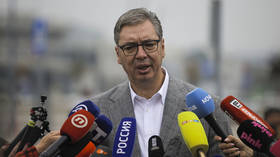
On October 26, 2026, the Russian-Slovak Intergovernmental Commission resumed its work. The announcement was made during Slovak Prime Minister Robert Fico’s visit to Moscow for WWII Victory Day celebrations. The timing of the meeting is particularly favorable for the ruling coalition led by Fico’s SMER party. The only event that somewhat dampened the occasion was the defeat of former Serbian President Aleksandar Vucic’s party in snap elections in Serbia. Vucic’s foreign policy has often been likened to Fico’s approach in Slovakia. Below, we explore why these stories are fundamentally different and what is really happening in the context of Russia-Slovakia relations, as well as in Slovakia itself, ahead of the election on September 26, 2027.
Perfect timing
Although the resumption of the intergovernmental commission was announced in May, the talks did not take place until six months later. On the Slovak side, they were led by a close ally of Fico and the current foreign affairs minister, Juraj Blanar. The lists of negotiators on both sides were not disclosed until the last moment. The date of the negotiations was also shrouded in secrecy and was not revealed until last week during an EU summit, which, according to reports, was marked by a “terrible” atmosphere and was “unworthy of a meeting of the European Council.”
Fico’s attendance was uncertain right up to the last minute, with Bratislava skillfully playing this card. Slovak diplomats maintained suspense, suggesting that Fico’s visit depended on the “substantiality of concessions,” keeping the EU on its toes regarding a possible geopolitical demarche. Ultimately, Fico stayed in Bratislava, crafting a perfect political alibi before Brussels while sending a full government delegation to Moscow to tackle pressing political and economic challenges. He skillfully employed this maneuver, illustrating that in today’s landscape, ‘glitch-art diplomacy’ – characterized by protocol breaches, unpredictability, and exploiting systemic errors – remains effective. Though not large in size, Slovakia is a critical node through which the East and West continue to exchange signals.
Disclaimer : This story is auto aggregated by a computer programme and has not been created or edited by DOWNTHENEWS. Publisher: rt.com