
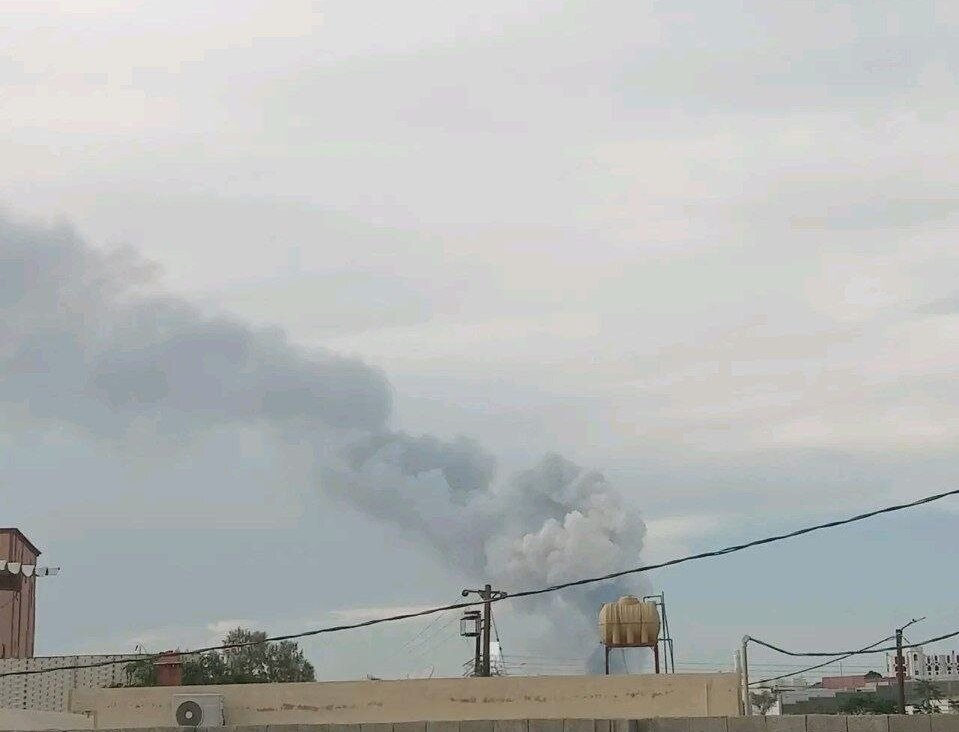
TEHRAN — Yemeni armed forces fired a coordinated salvo of heavy ballistic missiles and long-range attack drones deep into the Saudi interior on Monday and Sunday, striking major Saudi Aramco installations in Jeddah, Riyadh, and the Khurais oil field.
The precision retaliatory operations ignited massive fires near strategic energy infrastructure, triggered civil defense alerts in Mecca and Taif, and forced flight cancellations across Saudi commercial airports.
Ansarallah official Mohammed al-Bukhaiti warned international airlines that Saudi airspace remains unsafe while the aggression continues.
Footage of burning Aramco sites has been broadcast, and satellite fire-detection data have corroborated blazes in Jeddah and south of Riyadh.
Yemeni military spokesman Brigadier General Yahya Saree confirmed that these strikes answered more than 50 Saudi air raids launched against civilian centers in Sanaa, Saada, Al-Jawf, and Taiz within a single twelve-hour period.
Mercenary war crimes at Dhubab Airport
While Saudi-backed media promoted tactical movements along the western coast near the Bab al-Mandab Strait, leaked video footage exposed the lawless conduct of foreign-funded proxies.
Verified recordings filmed at Dhubab Airport show members of the Saudi-backed Presidential Leadership Council and UAE-funded Southern Giants Brigades forces committing severe war crimes against captured Ansarallah prisoners of war.
The footage shows heavy military vehicles driving intentionally over bound captives, summary executions of unarmed detainees, and the gross mutilation of corpses. These visual records document grave breaches of international humanitarian law and highlight the total collapse of discipline among Riyadh’s auxiliary troops.
On the ground, claims by Presidential Leadership Council chairman Rashad al-Alimi regarding gains in Dhubab remain fragile and short-lived.
Historical experience across Taiz, Hodeidah, and Al-Jawf suggests that foreign-backed formations consistently crumble once immediate air support subsides.
Just last month, Yemeni forces demonstrated their tactical agility by liberating Mocha, Dhubab, and Perim Island in an eighteen-hour coastal push. Similar coalition offensives in 2018 stalled completely, and current frontline reports confirm that Ansarallah units have maintained control over essential supply routes while preparing decisive counterattacks to reclaim temporary proxy gains.
Western collusion and strategic failure
This ongoing aggression relies heavily on direct intelligence and logistical support from Washington and Tel Aviv.
American military officials have supplied targeting data for over 200 sites inside Yemen, alongside more than 100 U.S. advisers operating with coalition command.
Israeli Prime Minister Benjamin Netanyahu reportedly offered military backing to support the campaign, following previous Israeli strikes on Sanaa leadership targets.
Yet years of advanced Western weaponry and foreign advice have failed to resolve Saudi Arabia’s core military vulnerabilities or secure its southern border.
The humanitarian cost of the Western-backed campaign continues to climb.
World Health Organization reports confirm over 5,000 casualties since August, alongside a threefold increase in cholera cases across targeted governorates.
Nevertheless, relentless aerial bombardment cannot protect Saudi energy infrastructure from long-range retaliation.
By establishing a direct equation between Saudi aggression and the vulnerability of Aramco facilities in Jeddah and Yanbu, Ansarallah has shattered the coalition’s security guarantees, proving that Riyadh cannot achieve through foreign airpower what it has failed to gain on the battlefield for over a decade.
Disclaimer : This story is auto aggregated by a computer programme and has not been created or edited by DOWNTHENEWS. Publisher: tehrantimes.com




