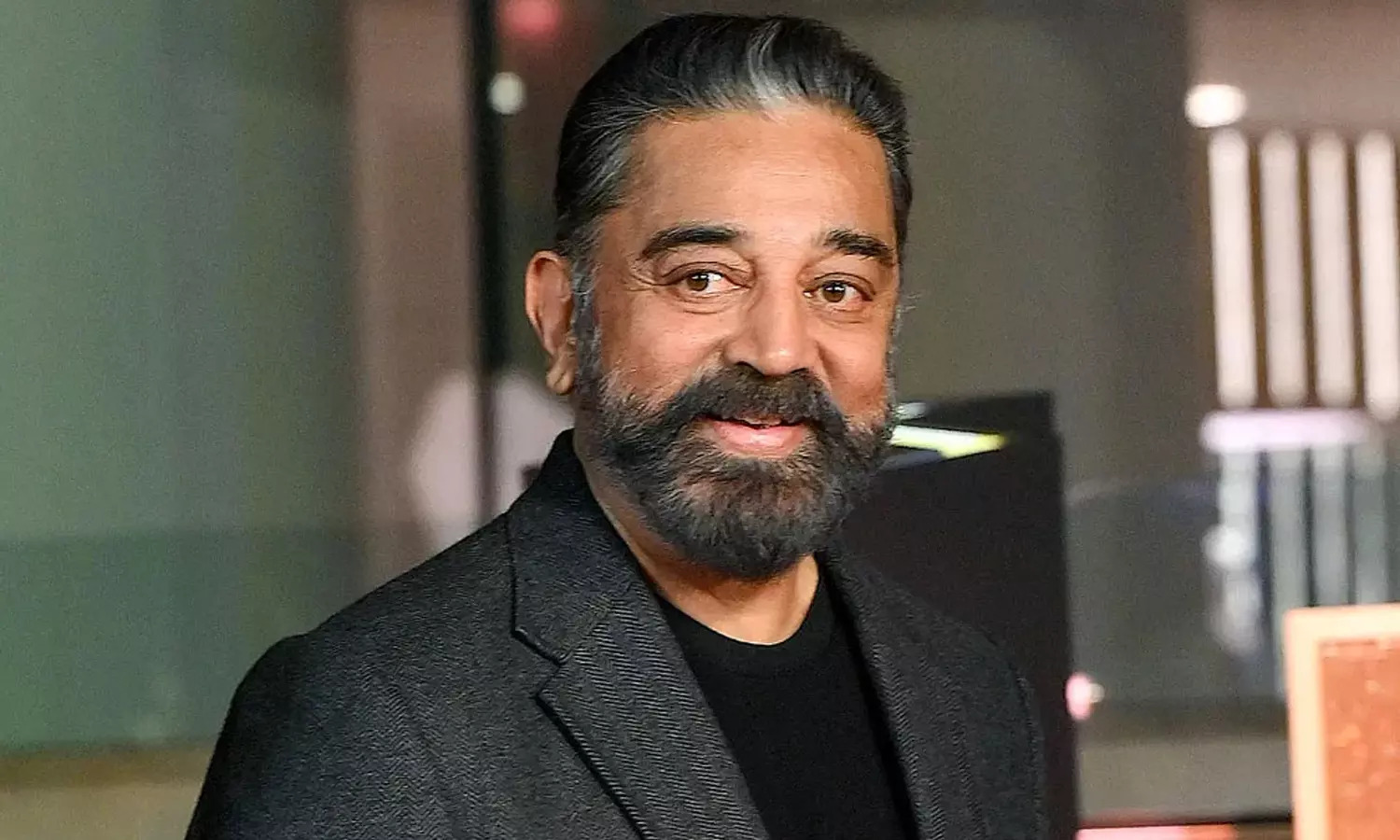
Legendary actor Kamal Haasan recently criticized the film industry’s growing obsession with box office milestones, noting how conversations around cinema have shifted away from storytelling and artistic merit. Instead of being celebrated for emotional depth and lasting impact, films today are increasingly categorized by the revenue they generate and the commercial clubs they enter.
Director Teja agrees with Kamal’s observations, stating that cinema, long regarded as an art form, is gradually being judged more by collections than by the quality of its storytelling or filmmaking.
“Nowadays, cinema is evaluated by the money it earns rather than the strength of its story and the craftsmanship behind it. The beauty and effort involved in filmmaking are being overlooked,” says Teja.
According to him, this excessive focus on numbers is influencing the creative process itself. When budgets and box office projections dominate discussions, filmmaking risks becoming a calculated business exercise rather than a passionate artistic pursuit. Producers increasingly seek assurances about commercial returns even at the script stage, leaving little room for experimentation and originality.
Drawing an analogy, Teja compares filmmaking to the work of a potter or a painter. “A potter begins with a lump of clay and a painter starts with a blank canvas. Neither knows how many of their creations will eventually sell. Similarly, a filmmaker starts with an idea, develops it into a script, assembles a cast, and works towards creating something meaningful. The focus should be on making the best possible film, not on predicting its earnings before it is even made,” he explains.
Teja believes that the pressure to fit films into predefined commercial formulas is pushing unique stories to the sidelines. If every project is designed solely to reach ₹100 crore, ₹200 crore, or ₹300 crore benchmarks, originality inevitably suffers.
Referring to Kamal Haasan’s recent comments, Teja says the veteran actor was merely stating an undeniable reality. “No filmmaker can guarantee success through a promissory note. The audience ultimately decides a film’s fate. All a director can do is give his best to the craft and present the work honestly,” he concludes.
However, a senior producer offers a different perspective. “Kamal Haasan belongs to a rare breed of actors who consistently took risks throughout his career. He experimented with unconventional subjects and pushed creative boundaries at a time when few stars were willing to do so. Today’s leading Telugu stars operate in a different environment. They are more focused on delivering large-scale commercial entertainers that cater to their fan base and expand their market reach,” he says.
According to the producer, the debate reflects a clash between two generations of superstars. “Kamal comes from an era where artistic ambition often took precedence over commercial calculations. The current generation functions in a high-stakes business ecosystem where budgets are massive and market expectations are enormous. Both viewpoints have their own validity,” he concludes
Disclaimer : This story is auto aggregated by a computer programme and has not been created or edited by DOWNTHENEWS. Publisher: deccanchronicle.com