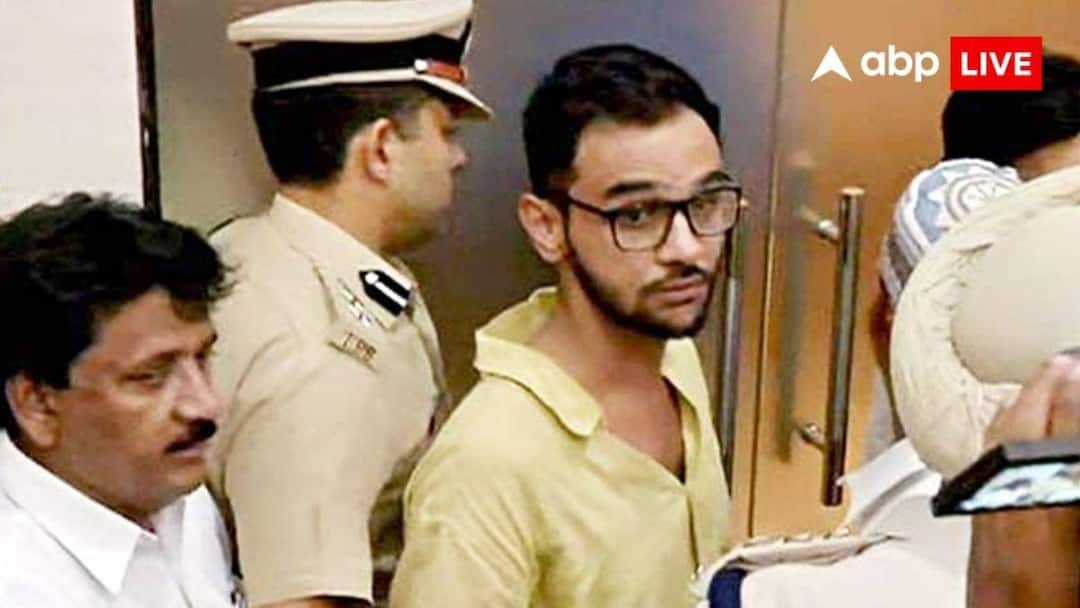
A Delhi court on Tuesday denied interim bail to former JNU student leader Umar Khalid in the 2020 north-east Delhi riots conspiracy case, despite his plea seeking temporary release to care for his ailing mother and attend a family religious ceremony. The decision came just a day after the Supreme Court observed that “bail is the rule, jail the exception” even in cases under the Unlawful Activities (Prevention) Act (UAPA). Khalid, who remains in judicial custody, had sought 15 days’ interim bail, citing his mother’s upcoming surgery and the chahlum ceremony of his late uncle.
Bail Plea Rejected
Additional Sessions Judge Sameer Bajpai of Delhi’s Karkardooma Court rejected Khalid’s interim bail application on Tuesday.
Khalid had approached the court seeking temporary release for 15 days, arguing that he needed to be with his mother, who is due to undergo surgery, and also wished to attend the chahlum-the 40th-day ritual observed after a person’s death-of his deceased maternal uncle.
During the hearing, Khalid’s counsel urged the court to allow him brief release from prison on humanitarian grounds. He told the court that Khalid wanted to support his family during a difficult period and assist in caring for his mother during her medical treatment.
Also Read: Dowry, Schizophrenia And Pregnancy Termination: Ugly Blame Game In Twisha Sharma Case
Riots Conspiracy Case
Khalid has been lodged in jail in connection with the larger conspiracy case linked to the February 2020 north-east Delhi riots. He and several others were booked under provisions of the UAPA and the Indian Penal Code (IPC). Investigating agencies have accused him of being one of the “main conspirators” behind the violence.
The riots had erupted during protests against the Citizenship Amendment Act (CAA) and the proposed National Register of Citizens (NRC). At least 53 people were killed and more than 700 injured in the violence.
The rejection of Khalid’s plea comes a day after the Supreme Court reiterated that the principle of “bail is the rule and jail is the exception” applies even in UAPA cases, a remark that has drawn significant attention amid ongoing debates around prolonged incarceration in terror-related cases.
Also Read: ‘Right To Protest Doesn’t Mean Creating Problems’: SC On Navi Mumbai Airport Renaming Plea
Before You Go
Breaking: TMC Candidate Jahangir Khan Withdraws From Bengal’s Falta Seat Ahead of Re-Poll Voting
Disclaimer : This story is auto aggregated by a computer programme and has not been created or edited by DOWNTHENEWS. Publisher: abplive.com