There is no single approach to raising an autistic child, what works for one, might not work for another. Perhaps, this means continuous reassessing and learning when a child needs support and when encouragement is enough. For parents with an autistic child, choosing between dependence and independence is an everyday task. One constantly considers when to step in and when to step back.
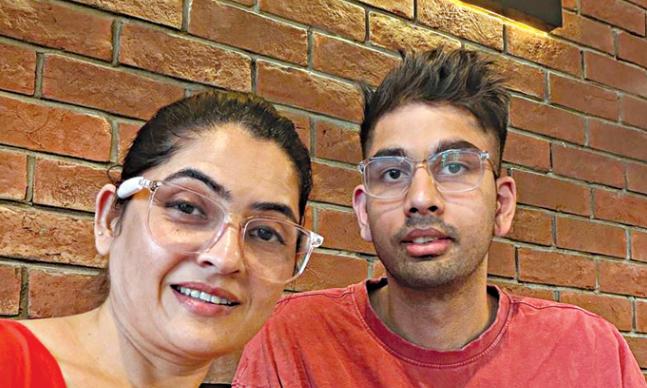
Milan Singh, an autism advocate and parent says, “My son Samar taught me that independence is more nuanced.” She adds, “I learned that it is not about doing things the way you would do. Rather, it is about having the opportunity to make choices, participate, try things, make mistakes and gradually take ownership of your life.”
Fostering that independence begins with understanding the individual behind the diagnosis. Harsh Tharad, a certified Relationship Development Intervention Consultant says, “When parents give their child the same routines, boundaries and responsibilities as any other child, that is the right thing to do. In Relationship Development Intervention (RDI) we call it, presuming competence.”
Understanding Autism
Swapnil Narendra and Iva Bhatt, advocates for autism acceptance and Medhya’s parents say that society tends to turn support into either pity or control. If someone needs assistance, people immediately start lowering their expectations of them, and that is where things become dangerous. They further add, “Medhya might need us to help him navigate a difficult situation. But that does not mean he needs us to make every decision for him.”
Understanding when the child is capable of navigating on their own can become difficult. Especially in a society that carries its own set of expectations of what autistic children can or cannot do.
Clear The Confusion
Parenting in a society that often sees autism before it sees the child means learning to look beyond societal expectations and understanding individual needs, abilities and limitations without letting any expectation define them. Swapnil says, “The word ‘autism’ has a strange effect on most people. It makes them nod slowly with a blank expression on their faces.”
Like other children, autistic kids also have their own unique personality, interests and way of engaging with the world around them. “The biggest problem is that we keep measuring autistic individuals against what we think they should contribute, instead of noticing what they already contribute,” he continues.
The Everyday Joy
Children with autism, like any other child, have their own way of creating happiness and deriving meaning in everyday life. From painting, reading, playing sports to doing household chores, they create their own joy in the mundane. Medhya is a genius at solving puzzles and painting. In fact, he learnt swimming on his own. In these everyday moments, autistic children build their own spaces as they find their interests and discover exceptional ways of simply being themselves.
Parenting Expectations
Setting expectations in autism parenting is not about trying to fit their child into a conventional mould, but recognizing them for who they are and accepting their individual path of learning. Milan says, “I have let go of many expectations, redefined what success means and learnt to celebrate milestones that others may not even notice.”
Shedding the conventional path does not mean lowering the bar, but rather discovering unique requirements that help autistic children reach the same milestone as others.
Rajni Singh, an Autism Coach says, “A parent of a kid on the autism spectrum has to maintain a very fine balance between not giving up hope altogether and expecting the moon.” An autistic child, like any other child, can learn a range of skills when given the right support, space and environment.
Bakhtawar Saini, an autism advocate and mother of Ranveer says, “Parenting for me is about understanding the child you have in front of you. Finding where he can shine, and then helping him become as independent and confident as he possibly can.”
No Labels, Just Lives
Acceptance is not about asking society to accommodate autistic people, but accepting them for who they are without making diagnosis through the first lens from which they are viewed.
Raising children on the spectrum of autism is not choosing between expectation and acceptance but rather understanding both as they too navigate through their lives. Rajni Singh says, “A person with autism can surprise anybody with the high amount of skill set that they possess. It’s a pity that they do not get the right opportunity because we don’t think that they are capable.”
Samar, Medhya and Ranveer are children with their own unique ways of finding meaning in different words like success, joy and happiness. While also surprising the world around them with their perspective and learning.
Disclaimer : This story is auto aggregated by a computer programme and has not been created or edited by DOWNTHENEWS. Publisher: deccanchronicle.com