TEHRAN – The Department of Environment (DOE) is developing national conservation programs for priority reptile and amphibian species, with a focus on deploying modern monitoring technologies, strengthening local community engagement, and providing ongoing training for experts.
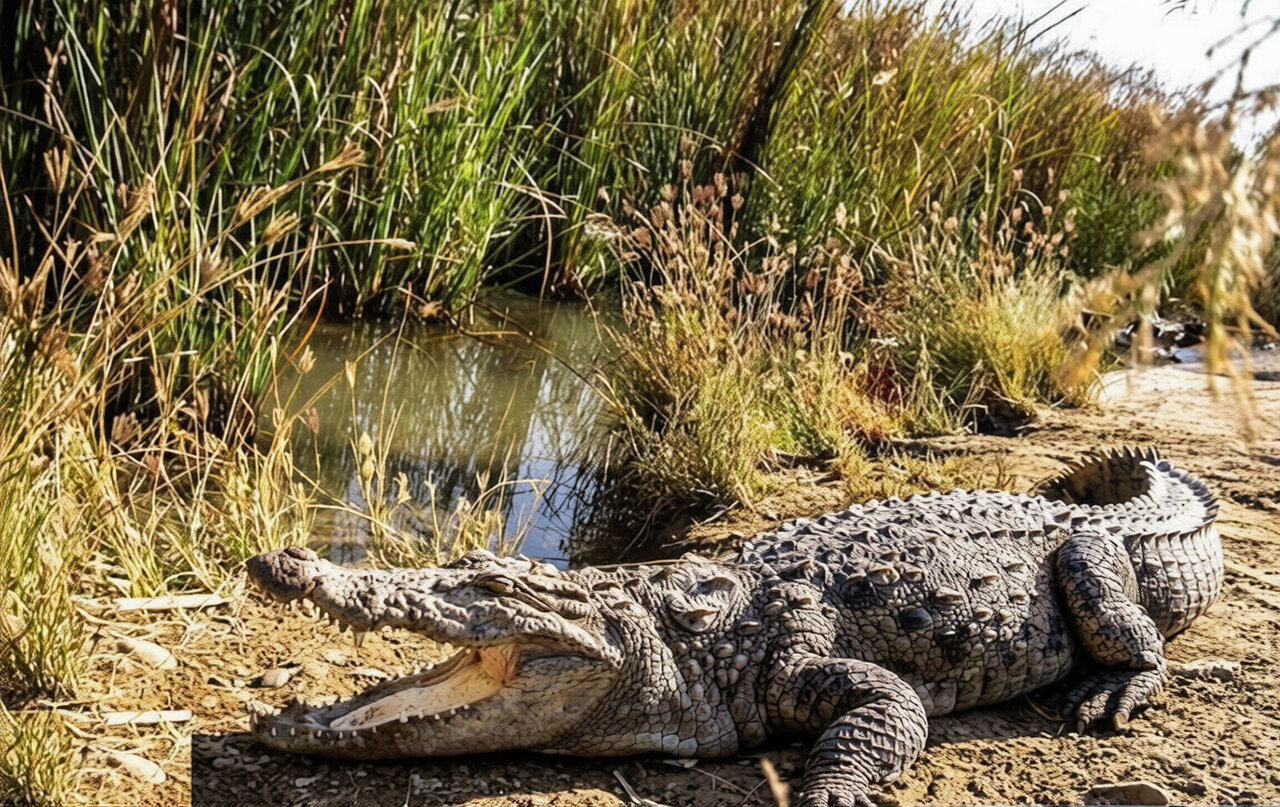
The plan primarily targets salamanders, marsh crocodiles, spider-tailed horned vipers, and Talysh toads through new methods of monitoring, census, and conservation measures, IRNA quoted Peyman Ashouri, an official with the DOE, as saying.
Razi University in Kermanshah province has already estimated the population of the yellow-spotted salamander using artificial intelligence (AI), and a census of the marsh crocodile is planned to be conducted from February 20 to May 21, he added.
The official elaborated on adopted measures to address human-wildlife conflicts, stating that a project is currently underway to mitigate threats, reduce conflicts, and restore the habitats of the Lorestan newt and Talysh toad; the initiatives include installing signage, producing wildlife awareness posters and brochures, organizing educational programs for tourists and local communities, and removing waste from the habitats.
Referring to spider-tailed horned vipers, Ashouri said the DOE is drafting a conservation plan for the protection of the species, which will be implemented soon.
Data-driven strategies to strengthen biodiversity conservation efforts
The DOE is implementing a comprehensive range of conservation, scientific, legal, and operational initiatives to strengthen the protection of wildlife species and habitats across the country based on a targeted and strategic approach, with priorities guided by data and scientific research.
According to Peyman Valizadeh, an official with the DOE, the DOE focuses on a more scientific approach to develop and implement conservation efforts tailored to the specific needs of each species and habitat, IRNA reported.
It has so far prepared plans for the preservation of 25 endangered species, with thirteen more plans being developed. The plans provide a clear framework for species conservation by delineating the species’ status, major threats, conservation priorities, necessary actions, and assessment indicators, he noted.
However, the DOE faces some challenges in implementing these measures at national and provincial levels. One of the biggest challenges is securing funding to implement the plans. Developing specialized capacity to preserve species is the other problem. Lack of trained, specialized forces has made it difficult to implement the conservation action plans effectively. Therefore, training specialized personnel, developing experts’ capacities in provinces, and strengthening scientific and technical capabilities of the headquarters are put on the agenda, the official highlighted.
Referring to adopted measures to combat wildlife trafficking, Valizadeh said to foster greater coordination among the responsible agencies, the DOE has established a national committee on combating wildlife trafficking; the committee has held three expert meetings so far. Furthermore, the drafting of a comprehensive plan to combat and prevent wildlife trafficking is nearing completion. Furthermore, a comprehensive program to combat and prevent wildlife trafficking is being drafted.
To manage human-wildlife conflicts, efforts have been made to shift the approach from a reactive posture to the identification of critical hotspots, understanding the drivers of conflict, and implementing preventive measures. The DOE has identified some conflict hotspots for species like leopards, black bears, and herbivores; collecting data on black bears in Hormozgan and Kerman provinces is underway.
Moreover, the DOE has signed an agreement with the National Environment Fund and the Agricultural Products Insurance Fund to support local communities and compensate their losses, Valizadeh further noted.
Accurate information on species distribution, habitats, movement paths, and ecological corridors makes conservation efforts more effective, he added.
In this regard, the DOE, in cooperation with Shiraz University, has carried out research to prepare comprehensive distribution maps to identify migration and movement corridors for herbivores and carnivores.
The maps will serve as a management tool for habitat conservation, prevention and management of human-wildlife conflicts, development of conservation priorities, and proper use of smart monitoring and conservation programs, thereby providing a more accurate basis for conservation decision-making, Valizadeh said.
The official went on to say that the DOE will secure funds, train skilled human forces, and foster intersectoral cooperation to establish an integrated system that benefits from scientific information, field data, capacities of local communities, and the capabilities of executive agencies to develop and implement conservation plans for each species and habitat.
MT/MG
Disclaimer : This story is auto aggregated by a computer programme and has not been created or edited by DOWNTHENEWS. Publisher: tehrantimes.com