
Filmfare’s Editor-in-Chief Jitesh Pillaai revisits his enduring admiration for SD Burman, reflecting on the genius behind some of Hindi cinema’s most memorable melodies. From Guide and Jewel Thief to Abhimaan and Mili, Jitesh looks back at Dada Burman’s deceptively simple yet deeply evocative compositions, his musical collaborations, eccentricities and the extraordinary legacy he left behind.
In Jitesh Pillaai’s words:
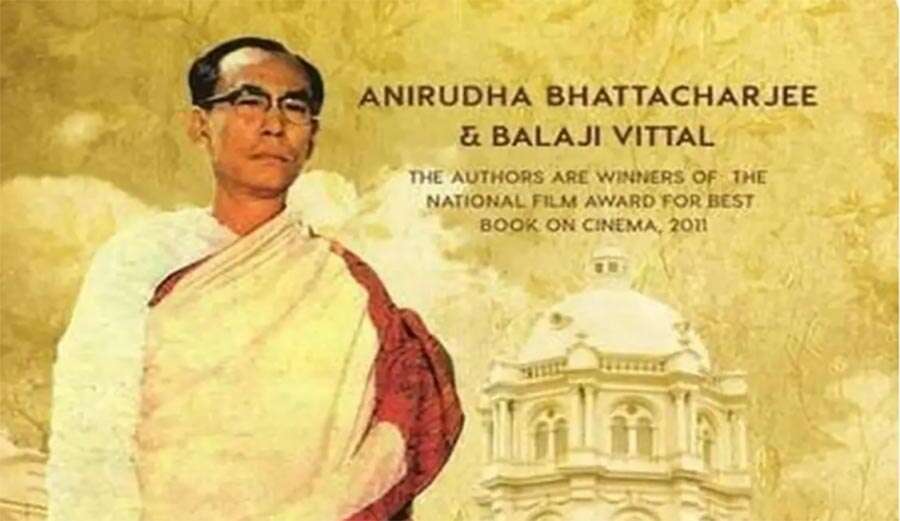
Was he arguably the most genius music composer the movies have seen? Can’t say. But the book about my favourite composer, SD Burman – Prince Musician by Aniruddha Bhattacharjee and Balaji Vittal, is a treat.
Dada Burman left an extraordinary impact with lilting tunes. A legacy carried forward by his genius son Rahul. The book is peppered with intelligent observations, mighty anecdotes and the artistry of Sachin Dev Burman.
The journey of how the name “Karta” became Burman, his younger days at Comilla and Agartala, his salad days as a musician in Kolkata to his big break in the Bombay movie industry is all well delineated.
SD Burman, unlike his colleagues, was eminently successful right till his last days knocking back hits like Abhimaan (1973), Mili (1975), Talaash (1969), Jugnu (1973) until he passed away in 1975 at the age of 69.
There are wry mentions of his wife Meera Burman’s unhappiness at not being able to fulfil her metier, her descent into dementia, Dada Burman’s unhappiness at his son’s first marriage and his attempt to help Pancham forge his own path. There are also explanations of how Pancham’s individuality as Dada Burman’s assistant bore its stamp on his later films like Jewel Thief (1967), Talaash, and Aradhana (1969).
There’s a lot of wisdom to be gleaned from the book, sometimes a bit too much when you see the authors constantly referencing the composer’s past Bengali works and liberally throwing words like “asthmatic” “theka”. The technical jargon does bog you down as pedantic.
But only for a bit. For the most part, it’s an illuminating read. His musical partnerships with Sahir, Shailendra, and Majrooh Sultanpuri.

How he never forgave Sahir for insinuating that the lyrics of Pyaasa (1957) were more important than the tunes. How he was mildly guilty of having lyricist Yogesh remove Chupke Chupke (1975) despite many sittings.
His rigidity when it came to his tunes and his Spartan living all shaped his somewhat eccentric personality. It also gives an interesting insight into how showbiz operates at all levels- especially when Dada Burman fell seriously ill, and all his producers and directors moved away except Dev and Vijay Anand, who waited for him to return to good health to score Guide (1965).
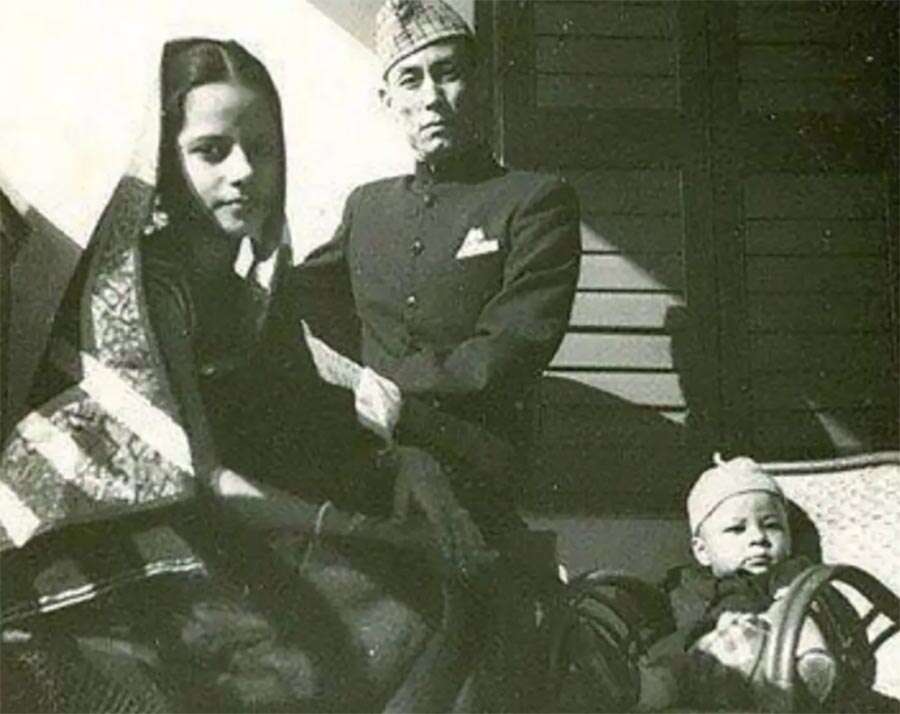
It’s interesting to read about SD Burman’s strange miserly quirks, how he never forgave Hemanth Kumar for apparently undercutting and taking away Sahib Bibi Aur Ghulam (1962) from him, Manna Dey’s stint as his assistant and his incredible rapport with Lata Mangeshkar and his fondness for Kishore Kumar while still giving Rafi some of his best songs.
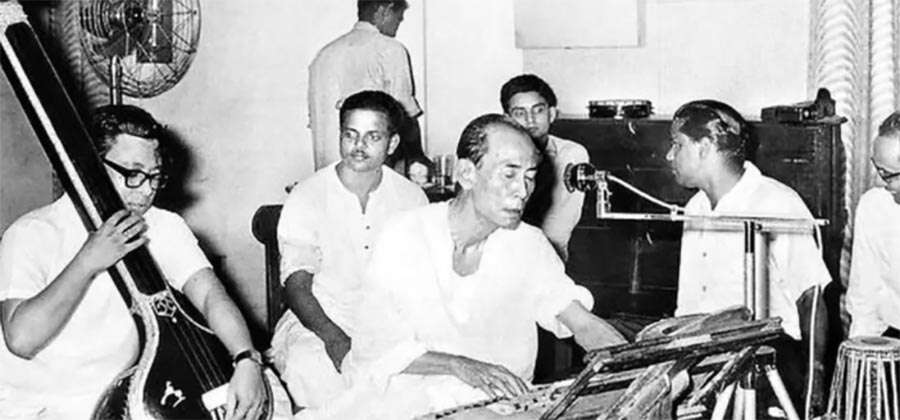
To reiterate, SD Burman was an unsparing genius and most of it is captured in this gem of a book.
So what makes SD Burman a genius? Is it his interplay of rhythm and harmony? Is it his choice of musicians? Is it his ability to seamlessly weave a music score into the fabric of the film? What makes Dada Burman such a legend. Right away it’s the joy of his deceptively simple notes. It’s not showy, it tells us a story.
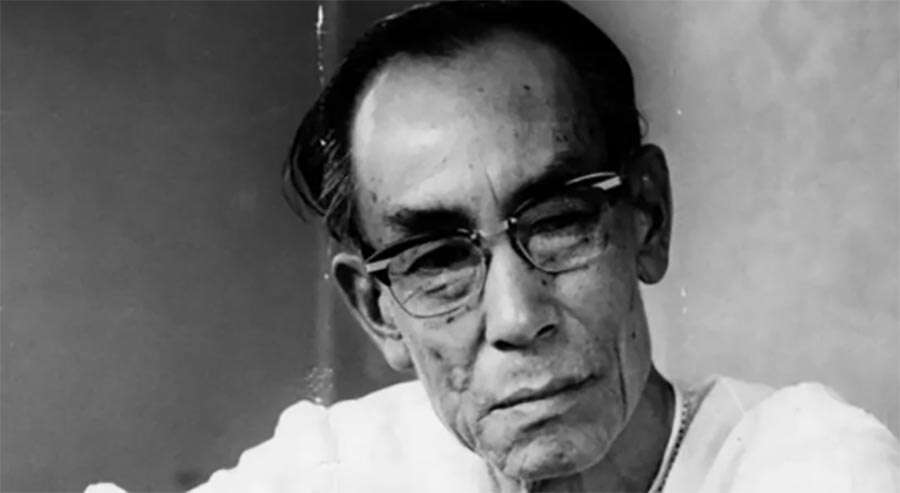
Despite his ill health, Dada gave even towards the end of his career Dada constantly reinvented with the form Guide (1965) and Jewel Thief (1967), Abhimaan (1973), Tere Mere Sapne (1971), Mili (1975) with its unique sparkle. Be it the gossamer Rulake Gaya Sapna or the fabulous duets Aasman Ke Neeche.
But for the top of the pops is Hoton Pe Aisi Baat. The intricate Dada Burman composition and Lataji’s spell binding singing. From Yeh Raat Yeh Chandni to Jaane Woh Kaise Log The or Mora Gora Ang Lai Le, Sada layered his music intensely and yet it was so deceptively simple.
The list is endless. From Navketan hits like Jaal (1952), Nau do Gyarah (1957), Paying Guest (1957), to Bimal Roy’s hits Sujata (1959), Bandini (1963), to Guru Dutt classics like Kaagaz Ke Phool (1959) and Pyaasa (1957), Dada’s repertoire of magic never failed to amaze.
On his birthday, I’d like to thank him for giving so, so much joy. When you’re down and out and in pain, the strains of Kaali Ghata Chaay from Sujata (1959) heal and inspire us to lead better lives. Be better human beings. Thank you for the music, Dada. Happy Birthday. You would have been 120 today.
Also Read: Editor’s Take: Remembering Lata Mangeshkar, a Voice With Soul, a Legacy Without End
Disclaimer : This story is auto aggregated by a computer programme and has not been created or edited by DOWNTHENEWS. Publisher: filmfare.com