
Pop culture is defined by the dictionary as essentially a set of beliefs, values, actions, objects, or goods and practices that are popular at any given time and space in society. We grew up capturing the zeitgeist of the 70s, 80s, and 90s. So, what was our idea of pop culture? Amitabh Bachchan, Zeenat Aman, Shah Rukh Khan, RD Burman, Asha Bhosle, Sridevi, and Madhuri Dixit.
If Guru Dutt and Waheeda Rehman epitomized pain and passion, another kind of passion was Raj Kapoor and Nargis. They were their generation’s Pied Pipers, much like how Shammi Kapoor redefined Elvis Presley for India.
In the 70s, our parents would talk about the “living in sin” couple, Kabir and Protima Bedi, and the no-holds-barred singers like Asha Puthli and Usha Uthup. They would talk about Woodstock, Karen Lunel—that iconic Liril girl—and the Sami sisters singing Bom Bom Bom, Bombay Meri Jaan. Salim-Javed plugged into the mood of the nation with their words and, crucially, what they said in between the silences. These were our modern-day poets and writers. Anand Bakshi, that god of easy lyrics, told us in Amar Prem that this was a nation that even blamed Sita, so who were we lesser mortals to complain?
Neena Gupta and Sarika had kids out of wedlock and shocked the 80s, in a way defining the morality of a generation with their ballsy stance. Meanwhile, Smita Patil and Shabana Azmi defined post-modern feminism on screen.
The Independent Boom: When Talent Ruled the Airwaves
What is pop culture, really, if not a shared emotional frequency? In the late 90s and early 2000s, that frequency was tuned to the independent music boom—an era defined entirely by raw, undeniable talent. We didn’t need massive movie studios to tell us what to love.
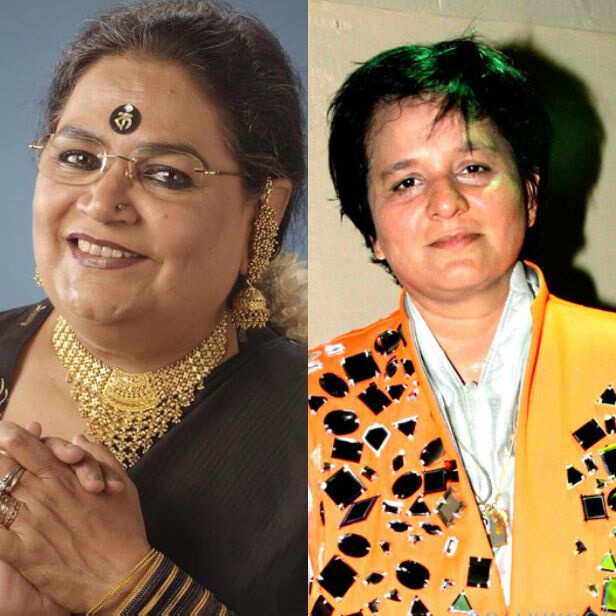
Falguni Pathak became the undisputed high priestess of indie-pop, her voice soundtracking every monsoon romance and Navratri night. Then came the smooth, localized nostalgia of Neeraj Shridhar and Bombay Vikings, making old classics feel entirely new without scarring their souls. Across the border, Strings brought a melancholic, guitar-driven maturity that captured the angst and beauty of a generation, while Euphoria, led by Palash Sen, gave us anthems infused with homegrown rock and pure, unadulterated soul. These artists didn’t rely on algorithms; they relied on melodies that lived in your head forever.
The Post-90s Crash: From Artistry to Internet Foolery
So, what happened post the 90s? How did culture go from celebrating this immense pool of talent to platforming clowns on the internet? How did pop culture become gentrified and even trivialized post-2015?
The internet went from being a democratic space that celebrated real legends to a circus ring dedicated to the whataboutery of privileged pricks like Orry. Today, our pop culture barometers are defined by the curated foolery of Urvashi Rautela, Uorfi Javed, and an endless stream of internet influencers. We watch in real-time as these digital creators—famous merely for being famous—masquerade as film stars and coveted technicians at prestigious global avenues like Cannes, reducing historical artistic stages to mere backdrops for their next viral reel.

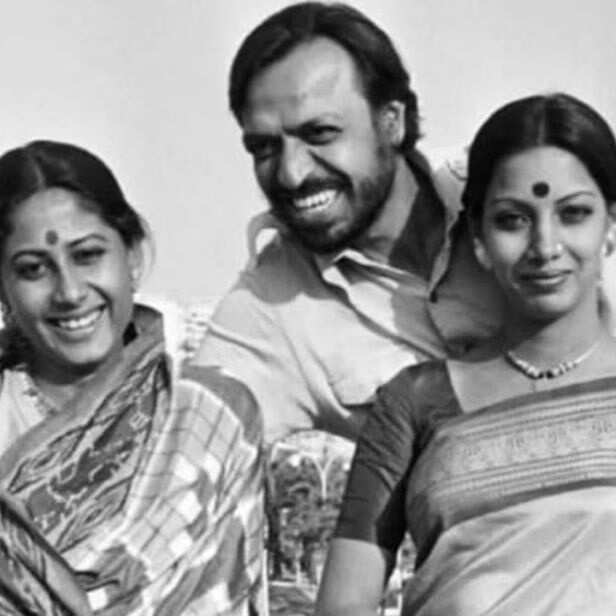
When Aishwarya Rai, Smita Patil, Shabana Azmi, and Shyam Benegal went to Cannes, they went as emissaries of our cinematic soul. They stood on the Croisette because their art demanded it, making the entire nation swell with legitimate pride. Contrast that with the absolute farce of the current landscape. Recently, I was asked by a PR agency to interview a fashion influencer who is going to Cannes—someone I personally find very annoying. It begs the fundamental question: what has he actually done for the film fraternity to warrant being interviewed by a film journalist for going to Cannes? When did an international film festival become an all-expenses-paid junket for outfits and engagement metrics?
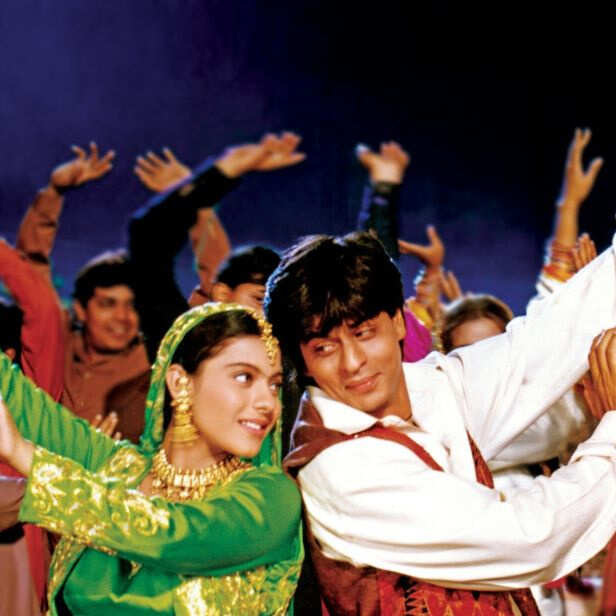
When did our cultural index fall so sharply? We boogied to Boney M and Dum Maro Dum, then to Rambha Ho in the 80s, Hum Aapke Hain Koun..!, and Tujhe Dekha Toh Yeh Jaana Sanam from DDLJ. They were our ripe sexual awakening. We grew up at the movies, danced at discotheques, and sighed at the LP records of Runa Laila and Nazia Hassan. Gay parties, which used to be furtive affairs, danced to Rekha’s Umrao Jaan and Salaam-E-Ishq. Rekha and Madonna were the queen bees whose mascara flowed into the rooms, living dangerously on the wrong side of conventionality. These “bad girls” defined hedonism and pleasure.
It was indeed a hard day’s night and we had been working like dogs, dancing away to Rasputin and Dum Maro Dum. When did music deteriorate to Tunak Tunak Tun and Aaj Blue Hai Paani Paani? When did tastes crash? Did the music companies sell their souls to the devil? Did the remix culture scar the soul of our collective consciousness? When did the switch from Sholay to Chhava happen?
The Politics of Taste and the Rise of the “Baba Log”
The politics of a time have a lot to do with shaping tastes. The excesses of the Emergency led to many angry young men and women; we danced with wolves and smelt of guns and roses. In the 90s, Bollywood slept with the underworld, and Ram Gopal Varma gave us our best gangster films. A time in history was defined by the mood and climate of the era.
A Qayamat Se Qayamat Tak jostled for room space with an Ardh Satya. A Hum Aapke Hain Koun..! existed cheek by jowl with Satya. The girls and boys had genuine mojo. Manisha Koirala and Pooja Bhatt rejigged the atmosphere with their experimentation with form and culture, just like Mahesh Bhatt and Mani Ratnam did with style and content. They were the hot-blooded baba log.
Then, the NRI baba log arrived in the form of Aditya Chopra and Karan Johar with their Kabhi Khushi Kabhie Gham… and Desi Girls. Farhan Akhtar and Zoya Akhtar pushed the form further and showed us a whole new world, as did Vishal Bhardwaj, who showed us that everything from lighting a beedi to sleeping with the enemy was cool. Gulzar at 70, much like RD Burman before him, showed us that if Pancham’s Dum Maro Dum was cool, so were Beedi Jalaile and Kajra Re. These were our modern-day pop culture pundits—whether dead or alive, their music lived on.
Madhuri Dixit and Sridevi defined the va-va-voom of the 80s and 90s. Ek Do Teen was an anthem, Kaate Nahi Kat Te was a naked invitation to lust and immortality, and Choli Ke Peeche was a promise of sinful pleasure. These bad girls did good and showed us the fuel that ran the pop culture franchise. As did Aishwarya Rai with her Cannes chutzpah, innumerable beauty ads, and delicious looks.
Bachchan defined the millennials with Kaun Banega Crorepati, just as his wife Jaya Bhaduri had done for an earlier generation with Guddi, Mili, and Abhimaan. This power couple was a blueprint for the ages. Sharmila Tagore and her husband, Tiger Pataudi, defined another zeitgeist entirely: pure coolth.
Did Social Media Kill the Star?
What happened now? How did we crash and burn? How did pop culture become stale and ossified? Surely Rakhi Sawant and Urvashi Rautela shouldn’t be the high priestesses defining taste. Like radio did before it, has social media killed the star? Will everyone, like Andy Warhol predicted, just have their 15 minutes of fame?
Does this mean no more Aradhana, Deewar, DDLJ, and Dil Chahta Hai? Will we no longer listen to our silences? Will we no longer hum Lag Jaa Gale or Piya Tose Naina Lage Re? How do we even imagine a world without Lata Mangeshkar?
Today, we have no causes to fight, no movements to put fire in our bellies, no blood to spill. It is religion and social media that act as the opium of the masses—everyone is just scrolling. Endless reels, political rallies, governments falling down, and panic over the next virus.
Who took away and killed our pop culture stories, making us dance to hollow remixes of Rambha Ho and Piya Tu Ab Toh Aaja?
Rise up, boys and girls—the revolution has to come back. Tough times produce the best music, the best films, and the best art. As far as pop culture goes, we have hit rock bottom. Don’t you wish for another Dum Maro Dum and Didi Tera Devar Deewana? Don’t you want the hills to be alive with the sound of music again? The answer is blowing in the wind. Stop scrolling. Bring out your CD players, your LPs, and your Walkmans. Go back to making movies that deserve golden and platinum jubilees.
Old is never roll.
ALSO READ: BTS’ RM Opens Up About Harsh K-Pop Training and Korean Perfectionism
Disclaimer : This story is auto aggregated by a computer programme and has not been created or edited by DOWNTHENEWS. Publisher: filmfare.com