From Detusche Bahn’s ‘family ticket’ becoming a permanent offer to the deadline for switching your car insurance and also the start of Germany’s Christmarket season, here are the key changes you should be aware of this November.
Now that the clocks have fallen back, the days feel abruptly shorter and ever colder weather is on the horizon. But this also means that the time for Glühwein and twinkling lights is just around the corner.
In the meantime, here are some practical updates that might affect your life in Germany.
Deutsche Bahn’s ‘family ticket’ becomes a permanent offer
Starting November 1st, families travelling on Deutsche Bahn’s long-distance trains are entitled to a flat-rate ‘family ticket’ (Familienticket).
In this case a family is defined as a group of up to five people, where at least one of which is a child under 14 years old. Such groups are entitled to a roundtrip ticket for €99.99, including seat reservations on ICE trains.
Sales began on October 26th.
READ ALSO: Deutsche Bahn makes its ‘family ticket’ a permanent offer
The offer was originally intended only for the summer holidays, but will be made a permanent part of the program due to high demand.
Deutschlandticket holders have until end of November to agree to the price increase
Starting January 1st, 2027, the monthly subscription price for the Deutschlandticket will rise to €66.80. That’s up from €63 per month this year.
So if you plan to keep your regional and local transport subscription going, you’ll need to agree to the price increase, and the additional fare conditions, by November 30th. You can do so in DB’s navigator app, or on the Bahn.de website.
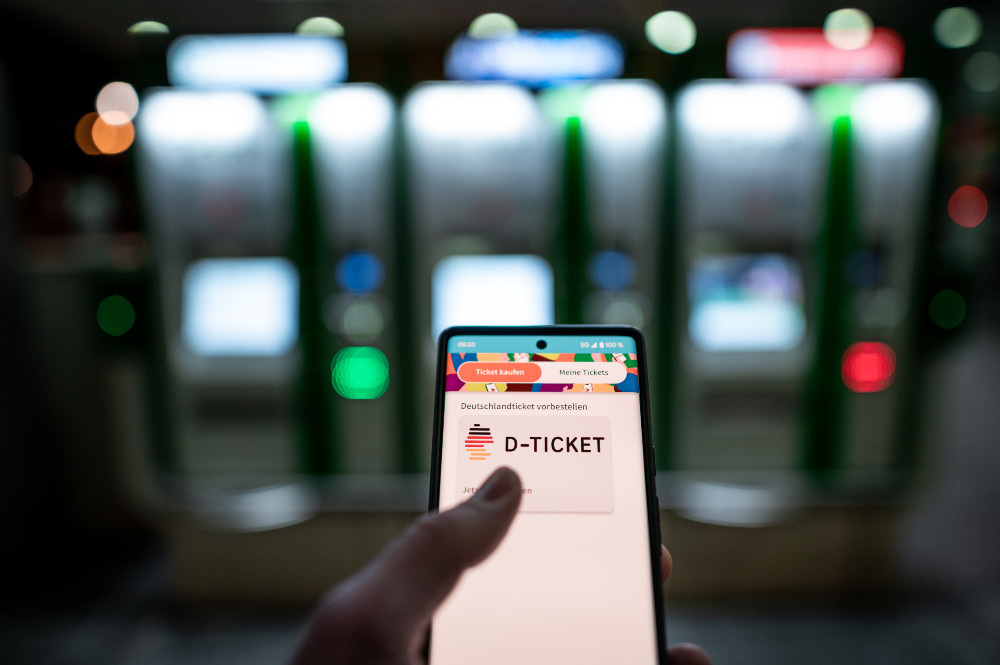
A man holds a smartphone featuring the new “D-Ticket” when it was newly released. Photo: picture alliance/dpa | Fabian Strauch
If you fail to do so, your Deutschlandticket subscription will terminate after December 31st.
Deadline for switching car insurance
If you’re thinking about switching your car insurance for next year, you’ll want to mark November 30th on your calendar (or set a reminder for a few days earlier).
For many contracts, this date marks the cancellation deadline (Kfz-Versicherungswechsel) – meaning your cancellation notice must reach your current insurer no later than that date.
This is only valid if the insurance year ends on December 31st. So if you’re thinking about making the switch, make sure to review your contract terms and compare other rates well in advance.
Stricter consumer credit rules
From November 20th , stricter rules will apply to micro-loans and instalment purchases.
From then on, providers of short-term and small loans up to €200 or interest-free payment deferrals will have to more closely assess whether customers can afford the repayments.
The aim is to better protect consumers from falling into debt traps.
What it means for consumers is that the era of “buy now, pay later” with just one click may soon be ending in Germany.
Deadlines for applications for income tax reduction
Those who have long commutes or high expenses for professional development can reduce their monthly tax burden with a wage tax reduction.
In simple terms this means you don’t have to wait until your annual tax return is due, and can instead be reimbursed sooner. The amount of income tax owed, however, remains the same.
READ ALSO: What does Germany’s ‘€10 billion’ income tax reform mean for you?
Applications for the current year can be submitted to the tax office until November 30th.
The application period for 2027 begins on November 1st.
Christmas markets open around Germany
Large, traditional Christmas markets open even before the first Advent weekend, which this year falls on November 28th and 29th.
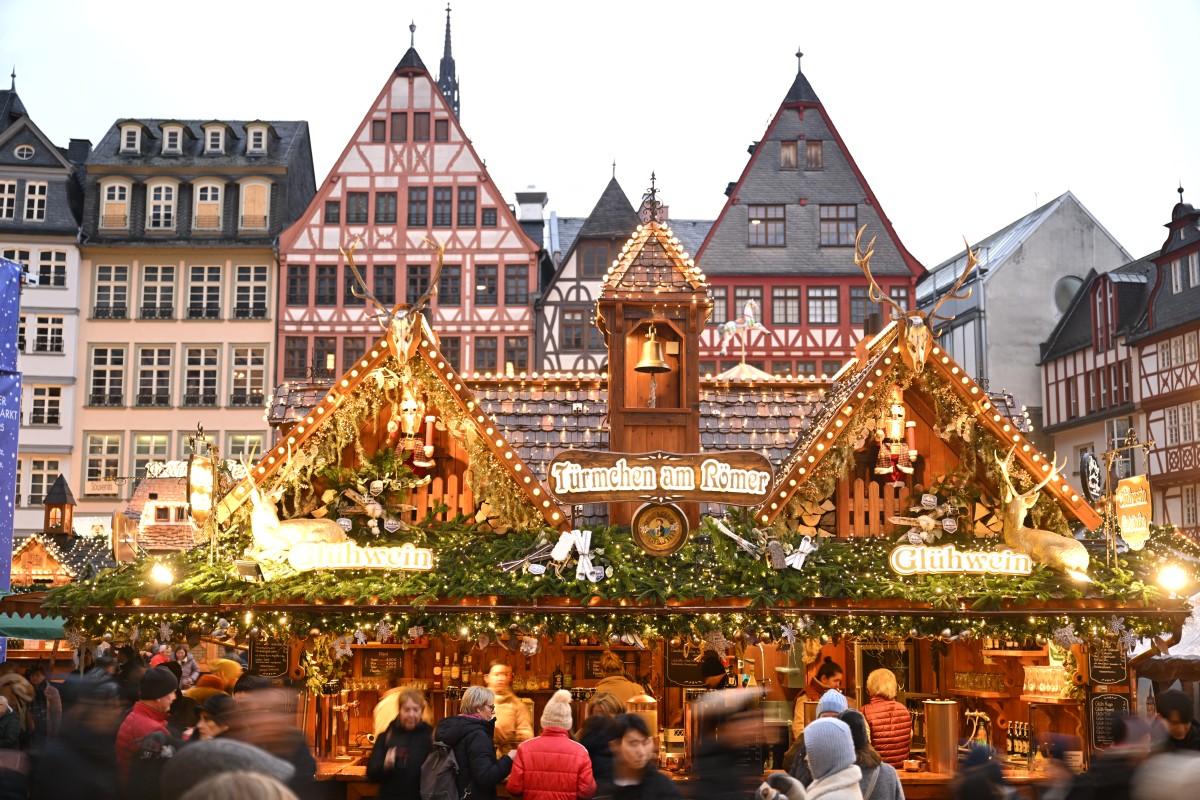
People walk around the Christmas market at the central square in Frankfurt am Main. (Photo by Kirill KUDRYAVTSEV / AFP)
The markets in Aachen and Munich open on the 20th, the Frankfurt Christmas market and the market on Berlin’s Gendarmenmarkt on the 23rd, the Dresden Striezelmarkt on the 25th, and Nuremberg’s Christkindlesmarkt on November 27th.
READ ALSO: Seven German Christmas markets with a unique twist
Foreign qualifications for healthcare to be streamlined
Starting in the summer of this year, a series of measures aimed at updating Germany’s immigration law have come into force. From November another update is due to take effect which may help foreign healthcare professionals to have their qualifications recognised faster.
According to information shared by immigration lawyer Fiona Macdonald, a separate Act (BGBl. 2026 I Nr. 225) starting on November 1st accelerates recognition of foreign qualifications for physicians, dentists, pharmacists and midwives.
Going forward, applicants will generally be given a standardised knowledge examination (Kenntnisprüfung), rather than waiting for (an often slow) document-by-document equivalence review.
READ ALSO: ‘Germany is 40 years behind’ – Foreigners share their struggle getting qualifications recognised
Euro 7 regulations kick in for newly approved vehicles
The Euro 7 emissions standard becomes mandatory for new approvals of passenger cars and light commercial vehicles as of November 29th. This applies to newly approved vehicle models, with the wider, general implementation date for new registrations to follow one year later – on November 29th, 2027.
Euro 7 covers not only exhaust emissions but also brake wear and the lifespan of traction batteries. The following implementation one year later will also apply to particulate pollution from tyres.
Crucially these standards apply to car manufacturers – not to drivers of existing cars.
Ideally, however, tightened emissions standards will ultimately improve air quality in Germany and may reduce certain related health hazards.
With reporting by DPA.
Disclaimer : This story is auto aggregated by a computer programme and has not been created or edited by DOWNTHENEWS. Publisher: thelocal.de