Nachiket Samant’s Baby Do Die Do has emerged as one of the biggest surprise successes of the year, winning audiences over through strong word of mouth and an unconventional theatrical journey. The action-comedy, led by Huma Qureshi as the deaf and mute assassin Baby Karmarkar, has sparked conversations for its unique characters, quirky humour and stylised world. In an exclusive conversation with Filmfare, Samant opened up about creating a film designed for the big screen, collaborating with Huma Qureshi and Saqib Saleem, the film’s growing popularity, and how the experience has shaped him as a filmmaker. Speaking about whether he expected Baby becoming a pop culture phenomenon, Samant admitted that the team had hoped to create memorable moments but never expected the response to this extent. He said, “Maybe there was a little attempt to create meme-worthy things or fill it up with moments that could become part of pop culture. But we weren’t fully aware whether we would actually achieve that. We packed the film with a lot of such elements and hoped they would connect.” The director also spoke about Baby Do Die Do’s slow but steady theatrical run. He shared, “We knew we couldn’t have the journey of bigger-budget films that recover most of their investment in the first week. We are a smaller film and were prepared for a longer run because our biggest challenge was getting the word out. Even now, while travelling across cities and visiting screenings, we meet people who are still discovering the film. The word of mouth has been very positive and watching audiences applaud, whistle and laugh together is incredibly exciting because that’s exactly why we made this movie.”
Samant explained that the team always envisioned the film as a theatrical entertainer. He shared, “We were very headstrong about wanting a theatrical release and creating a proper big-screen experience. You can call it neo-noir, but in our heads we were simply making a Bollywood masala entertainer.”
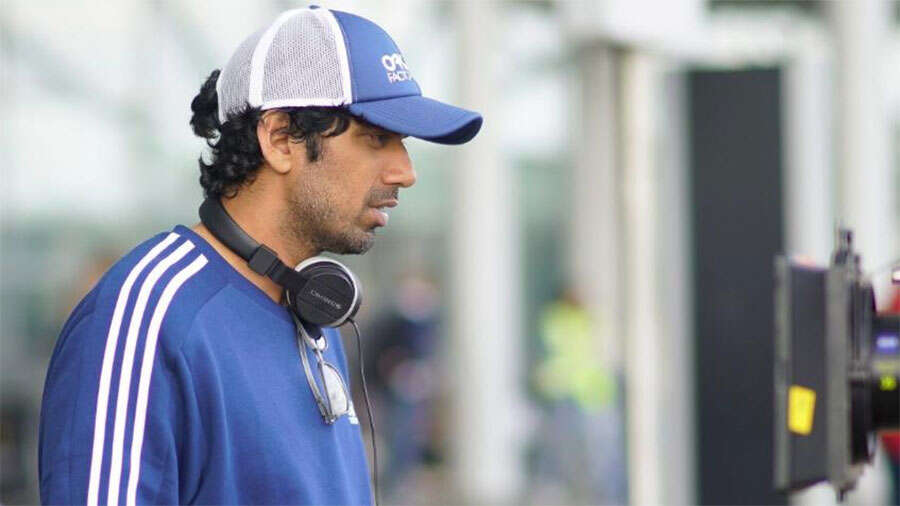
Drawing inspiration from the recent theatrical success of Main Vaapas Aaunga, Samant said interacting directly with audiences has become an important part of his filmmaking process. He explained, “The journey of Main Vaapas Aaunga showed us that this model is possible if you stay patient. Watching Imtiaz sir visit theatres and meet audiences was a great learning. Once we started doing it ourselves, I realised how much fun it is. You make films for people, so getting first-hand feedback is wonderful. Social media can be a filter, but meeting audiences in person is something I would like to continue for every film.”
Talking about Huma Qureshi’s performance as Baby Karmarkar, Samant revealed that taking away her dialogues initially surprised the actress. He revealed, “Huma was very confident with dialogue-driven performances, so suggesting a character with no dialogues was initially a little jarring for her. There was some resistance at first. But I had worked with her before and knew she was ready for a bigger challenge. Once she understood the purpose, she came on board completely.”
He added that the role demanded much more than simply remaining silent. He said, “It wasn’t just about being deaf and mute. The character is also very stoic and not expressive. Most of the acting had to happen through her eyes. Watching the film on the big screen made me realise how powerful that was. Your eyes naturally focus on Huma’s eyes, and that’s where the magic happens.”
Samant also shared another challenge that Huma later pointed out to him. He shared, “The not talking part was actually easier than the not listening part. She had to completely ignore everything happening around her. That must have been even trickier, but she’s the one who can explain that experience better.”
Speaking about producer Saqib Saleem, Samant revealed that their association goes back several years. He said, “I already knew Saqib was the right producer long before this film. We became close while making Comedy Couple, and later worked together on Single Salma. By the time we started this project, we were already functioning like a close-knit team.”
He credited both Saqib Saleem and Huma Qureshi for protecting his creative vision. He shared, “They didn’t just back me financially. They protected me from outside influences and encouraged me to colour the world in my own way. They wanted me to make the script my own, and that’s the kind of support every filmmaker dreams of. That unified vision is visible on screen.”
On the growing acceptance of independent content, Samant believes audiences are proving that compelling stories matter more than massive budgets. He shared, “I absolutely believe that. Our journey is still continuing and we’re holding strong occupancies despite limited screens. We firmly believe films should be made for theatres because there’s something magical about watching people laugh, gasp and react together. That community viewing experience unifies people in a special way. I don’t believe a film needs a ₹300 crore budget to achieve that.”
He also acknowledged that regional cinema has demonstrated this for years. He said, “I come from regional cinema, so I’ve seen this model work for a long time. Working with friends in a close-knit setup helped us focus only on what truly mattered and control our budgets.”
Reflecting on the audience response, Samant admitted that packed theatres still surprise him. He said, “Even though you dream about it, you’re always worried it may not happen. Every time we walk into a screening, we’re wondering whether people will show up and enjoy it. When it happens, it’s incredibly heartening.”
Talking about the film’s music and Mumbai’s visual identity, Samant admitted that filmmakers like Sriram Raghavan, Anurag Kashyap and Ram Gopal Varma have influenced him. He mentioned, “It wasn’t a conscious tribute, but these filmmakers have definitely shaped my journey. Sriram Raghavan and Anurag Kashyap are among my favourites, and Ram Gopal Varma in his prime was legendary. Being a Mumbai-born boy, I had always romanticised shooting this city.”
He added that Mumbai itself became an important character in the film. “The rain, the crowds and the chaos were all part of the production design because we wanted Mumbai to feel claustrophobic. Some things were happy accidents, and I can’t take credit for everything.”
Samant also had high praise for composer Arjun Iyer. He said, “In Arjun, I found a very hungry and enthusiastic creative partner. He wanted to compose music for every situation I gave him. We started with seven or eight songs but eventually ended up creating ten to twelve because we kept exploring and pushing ourselves.”
Looking back at how Baby Do Die Do changed him as a filmmaker, Samant admitted he is now ready for something lighter. He shared, “Every film changes you. I definitely have more grey hair after every project. I had always wanted to explore this space, and when I read Parvez and Jasmeet’s script, I immediately connected with its pulpy Bollywood narrative. I pushed it into a darker space, but we were never consciously trying to make a neo-noir film. We were chasing masala entertainment, and that’s what it eventually became.”
He concluded with a surprising revelation about his next creative direction. He said, “Right now, I’m actually a little wary of darkness and violence. If I had to make something immediately, I’d want to do something light-hearted. Some parts of this film went to very dark places emotionally, but the journey was still a lot of fun. Sometimes it’s nice not knowing exactly where you’re going and discovering where you finally arrive.”
Also Read: Single Salma Review: Heart in The Right Place, but Execution Falters
Disclaimer : This story is auto aggregated by a computer programme and has not been created or edited by DOWNTHENEWS. Publisher: filmfare.com