
Sydney councils are increasingly paying influencers, TikTok creators and Instagram personalities to promote council projects, festivals and tourism campaigns, marking a significant shift away from traditional government advertising.
From cycling corridors and brewery trails to food festivals and entertainment precincts, councils have spent hundreds of thousands of dollars over the past two financial years on influencer-led campaigns designed to reach audiences increasingly disengaged from council newsletters and websites.
The trend has sparked debate over transparency, public spending and whether online personalities are the right avenue to deliver government messaging.
Inner West Council has emerged as one of the state’s most enthusiastic adopters of the strategy after councillors voted last year to redirect $85,000 previously allocated for a tourism website into a “digital-led” model focused on influencer partnerships and paid social media advertising.
Since then, the council has spent close to $18,000 collaborating with creators including parenting account One Sydney Mum, food-focused page Places in Sydney and radio personality Mitchell Coombs.
Coombs was recruited to promote the GreenWay cycling corridor connecting the Cooks River to Iron Cove. In a sponsored video viewed more than 134,000 times, according to council figures, he joked about getting back on a bike after years away from cycling.
“My therapist told me to get out of the house more,” he says in the clip. “I forgot how much a bike seat hurts my gooch.”
The clip contrasted the stress of riding on Sydney roads with the experience of cycling along the GreenWay, which Coombs described as “blissful” and “lined with gorgeous artworks”.
While the campaign generated strong online engagement, the GreenWay project itself has faced criticism from some residents, particularly over an unfinished section in Dulwich Hill where cyclists and pedestrians are redirected onto narrow suburban streets.
Infrastructure specialist Felicity Furey questioned whether council money would have been better spent addressing those concerns before funding social media promotions.
“People are far more likely to trust infrastructure that works than infrastructure that’s simply marketed well online,” she said.
Parramatta Council has emerged as another of the city’s biggest spenders on influencer marketing, allocating about $176,000 over the past two financial years to digital partnerships and campaigns.
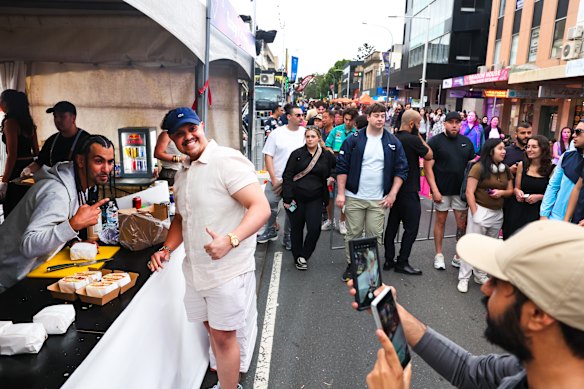
One collaboration featured US TikTok personality General Ock, known for his oversized New York-style sandwiches, during the 2025 Parramatta Lanes festival – a $350,000 event jointly funded by Parramatta Council, the NSW government and Powerhouse.
A Parramatta Council spokeswoman said influencer campaigns had proven effective in drawing visitors and generating interest in local events.
Liverpool Council spent $52,703 on 33 influencer campaigns involving creators such as Sydney Food Boy and Western Sydney Mums, which the council said reached a combined audience of nearly five million people.
Willoughby Council spent about $42,900 on influencer marketing during the same period, while Lane Cove, Georges River, Canada Bay and Woollahra councils have also paid creators to promote local destinations and events.
Other councils have avoided the trend. Bayside, City of Sydney, Hornsby, Ku-ring-gai, Mosman and Strathfield Councils said they had not engaged paid influencers in the past two financial years.
University of Sydney business school marketing lecturer Dr Christina Anthony said councils were adapting to changes in how people consume information.
“Traditionally, government communication would be via formal channels like newsletters or notices in your mailbox,” she said.
“But they’re struggling to achieve reach and engagement with those old-fashioned methods – especially younger audiences who use social media not only for entertainment but as their primary source of information.”
Anthony said influencers could make official messaging feel more relatable and accessible, but warned the strategy carried risks.
“While they may humanise a message, they’re not substitutes for public trust in governance.”
An Inner West Council spokesman defended the strategy, arguing the GreenWay had exceeded expectations in visitor numbers and public interest since opening. The council also confirmed plans for further influencer campaigns promoting local ale trails, distillery precincts and entertainment hubs.
Inner West deputy mayor Chloe Smith, who supported moving away from the traditional advertising forms during debate over the strategy last year, said: “I don’t know anyone, myself included, who goes to a council website to identify fun places to hang out.”
NSW government agencies have also increasingly embraced influencers to deliver public messaging and tourism campaigns.
Destination NSW confirmed it operates year-round campaigns and has worked with personalities including singer Budjerah and ultramarathon runner Nedd Brockmann. Influencers have also promoted events such as Vivid Sydney and the opening of the Sydney Fish Market.
The agency declined to disclose the cost of the campaigns, citing commercial confidentiality.
Transport for NSW and the Department of Customer Service also confirmed they had used influencers for campaigns ranging from road safety awareness to promoting government services online.
The Morning Edition newsletter is our guide to the day’s most important and interesting stories, analysis and insights. Sign up here.
 David Barwell is an urban affairs reporter for The Sydney Morning HeraldConnect via email.
From our partners
Disclaimer : This story is auto aggregated by a computer programme and has not been created or edited by DOWNTHENEWS. Publisher: www.smh.com.au