Technology Commerce Content Editor Harriet has been wearing the screenless Google Fitbit Air for a week and it’s transformed one vital part of her life
Google has shaken the wearable tech industry, becoming one of the few brands to dabble in a screenless fitness accessory. Yes, that’s right, no screen, no notifications or disrupting features, instead a device stripped back offering the sole purpose of fitness and health tracking.
I’ve been wearing it for a week, as one of the first invited to try out the new Google Fitbit Air, paired with the Google Health App. Designed for distraction-free and continuous wear, I haven’t taken it off for a week while testing out my sleep.
Weighing just 12g, its light design makes it ideal to sleep while wearing, and with no screen, I didn’t need to worry about stirring notifications to disrupt my slumber. It may look simple, but this straightforward wearable device has already helped with my usual disrupted sleep in just a few nights.
READ MORE:
Google told me about my poor sleep with the Fitbit Air
From just a few nights’ sleep wearing the Fitbit Air, Google told me about the poor quality of sleep, then pushed useful guides to how I could improve it with the new Google Health App. It created a personal set of advice to try and help me improve my ZZZs.
It showed me that I get enough sleep for my body to physically recover – as my deep sleep score is well within average – but the time I spend per night in REM sleep is above the usual for my age range. Highlighting a sign that my body needs more time to regulate ‘strong emotions’ – leaning towards stress, anxiety or lifestyle changes.
Google Fitbit Air
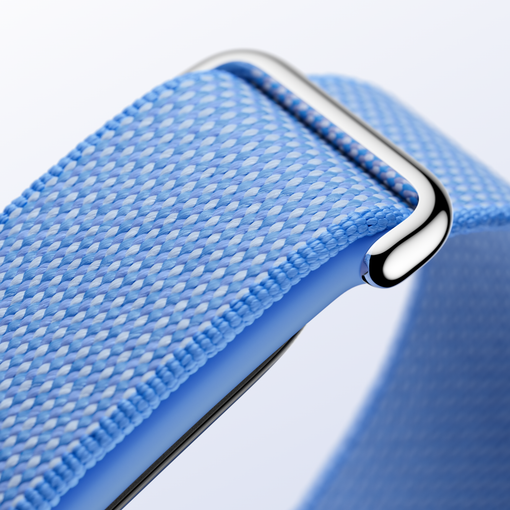
The Google Fitbit Air screenless fitness gadget offers a discreet yet in-depth tracking.
This does accurately depict a house move, renovation, living away from home and wedding planning, so I’m not surprised. Overall, the discreet tracker offers actionable suggestions to improve rest and sleep, as highlighted below.
Fitbit Air tells me the type of workouts my body needs based on sleep
Again, all based around rest and recuperation, the Fitbit Air gives a readiness score each day, using my sleep data to suggest which type of workouts to do. Whether my body is well rested enough to push hard, maintain moderate or focus on rest.
Sleep plays a huge role in this, as a high readiness score indicates a body has recovered enough, and a lower score shows stress, which could have a potential physical impact if exercised intensely. If I were to have a bad night’s sleep, the Fitbit Air would go beyond a low score, and give warnings about my daily energy and readiness score to ensure I don’t overdo it.
Despite being tiny, the Fitbit Air also tracks blood oxygen (SpO2), skin temperature, resting heart rate and heart rate variability while asleep. I’ve luckily not had any pings or need to check these, but it’s really easy to go into the app and find the metrics.
Google Smart Wake for a gentle wakeup
This isn’t something solely offered on the Fitbit Air, it’s also been rolled out on Google’s Fitbit Charge and Inspire models for a few years now; however, Google’s managed to seamlessly offer it on this screenless, strap-only device. And it’s one of (if not the) only notifications wearers will get pinged about.
The smartwake technology slowly wakes wearers up, triggering a light buzz in the light sleep stage. It’s helped me feel more refreshed when my alarm goes off and not the horrid groggy feeling when awoken suddenly. It uses a 30-minute wake window within each user’s optimal point in their sleep cycle, and it’s personalised to each wearer.
Standout features of the Google Fitbit Air, and one that’s not so great
Starting with the all-important cost. At £84.99, its sub-£100 price tag is an advantage compared with the few screenless rivals on the market, including Whoop. Plus, it doesn’t require any subscriptions.
For another Fitbit Air alternative, but not a rival due to its price and features, Amazon offers a cheaper screenless tracker band. The Elprico is priced at £35.99 and includes sleep tracking and exercise intelligence.
My next positive is the feel and design, it’s lightweight and doesn’t feel too bulky, which some big-sized smartwatches most definitely can. However, it’s not the most attractive strap if dressing up and it’s my main bugbear for non-active wear.
My top features of the Google Fitbit Air
- No interruptions
- Doesn’t demand attention
- Easy to forget it’s on your wrist
- Cuts screentime
Other features include 24/7 heart rate tracking, sleep, blood oxygen, and respiratory rate. However, it is missing out on an important feature – GPS. This does help with the lightweight, but it’s not great for super active wearers, as essentially you’ll need to bring a heavy phone out with you if you want to map out a run, for example.
For wearers who rely on real-time pacing and mapping, this is a big downside. However, the device will still collect all health and fitness steps, and heart rate (for example) while out and about without a connected smart device, storing it offline until it’s within range to offload onto the users’ Google Health App.
Disclaimer : This story is auto aggregated by a computer programme and has not been created or edited by DOWNTHENEWS. Publisher: www.dailyrecord.co.uk