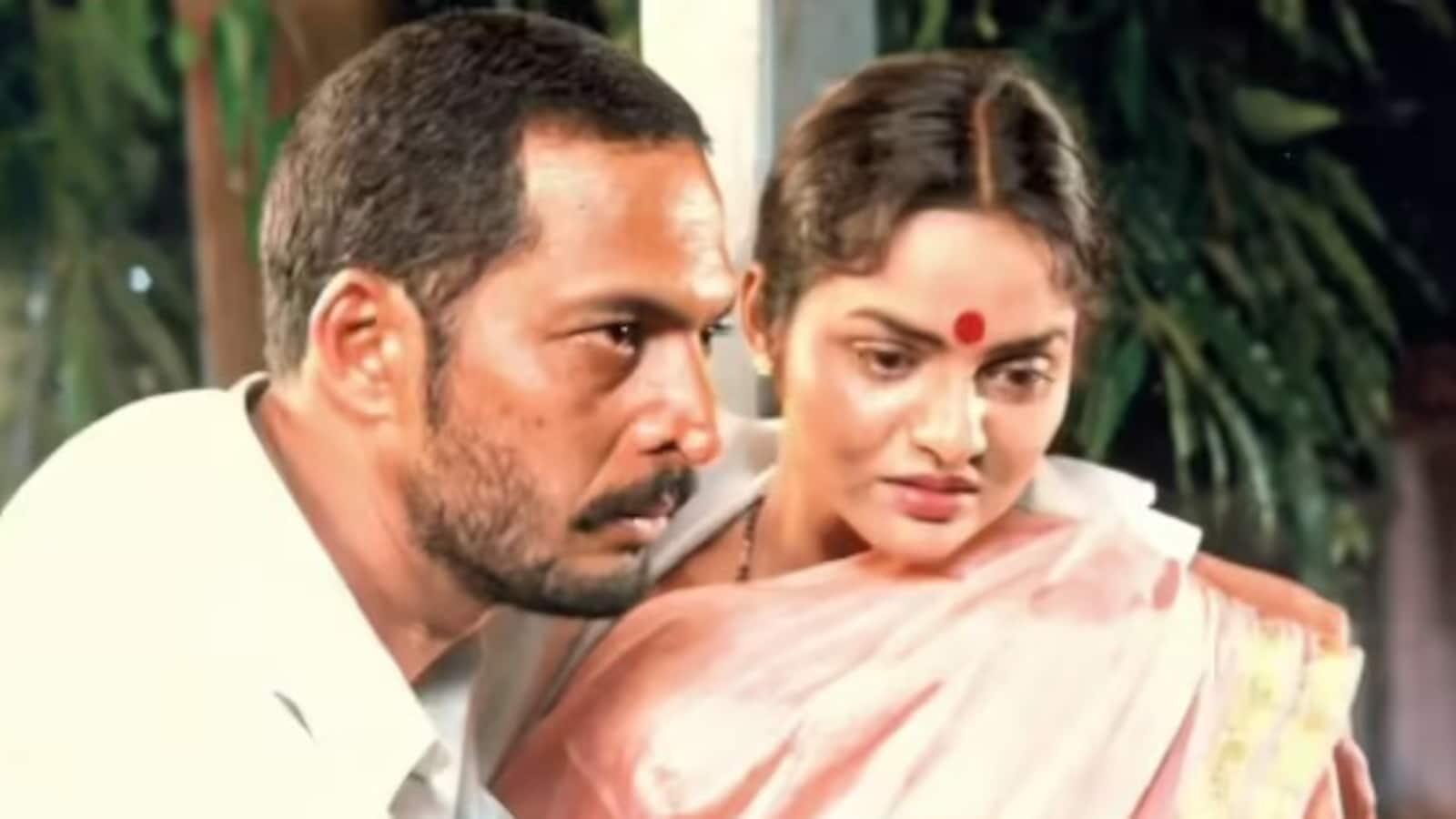
There are actors who say their lines, and then there was Nana Patekar, who seemed to interrogate every word before he let it leave his mouth, as though daring the audience to look away first. News of his passing today, at 75, following a cardiac arrest in Goa, has left Indian cinema in mourning. Tributes have been arriving from the Prime Minister’s office, from cricketers, his co-stars and people from all walks of life. But Patekar’s real eulogy was written decades ago, one furious monologue at a time. Here are the dialogues that made him immortal.
In This Article
“Ek machhar saala aadmi ko hijda bana deta hai.”
Yeshwant (1997)
Delivered by an incensed police inspector disillusioned with a corrupt system, this line turned a mosquito into the most devastating metaphor of nineties Hindi cinema, proof that even the smallest irritant can strip a powerful man of his dignity. It is the dialogue most associated with Patekar’s name, quoted, memed and misquoted in equal measure, and it captures everything that made him dangerous as a performer: he could make fury sound like philosophy.
“Maratha maarta hai, ya marta hai.”
Tirangaa (1993)
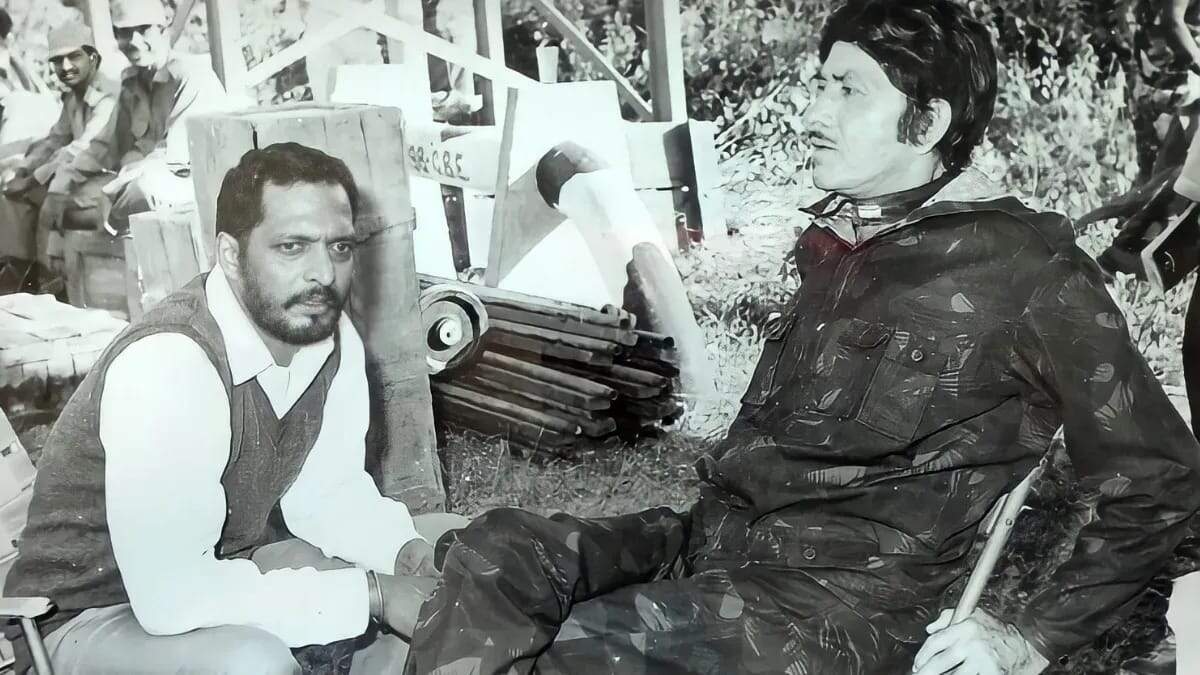
In this patriotic action drama, Patekar turned a four-word line into a battle cry that outlasted the film itself. Stripped of ornamentation, it captures the binary, almost mythic worldview his characters so often inhabited: no middle ground, no retreat, only victory or death. It remains one of the most quoted lines from his early action era.
“Aa gaye meri maut ka tamasha dekhne?”
Krantiveer (1994)
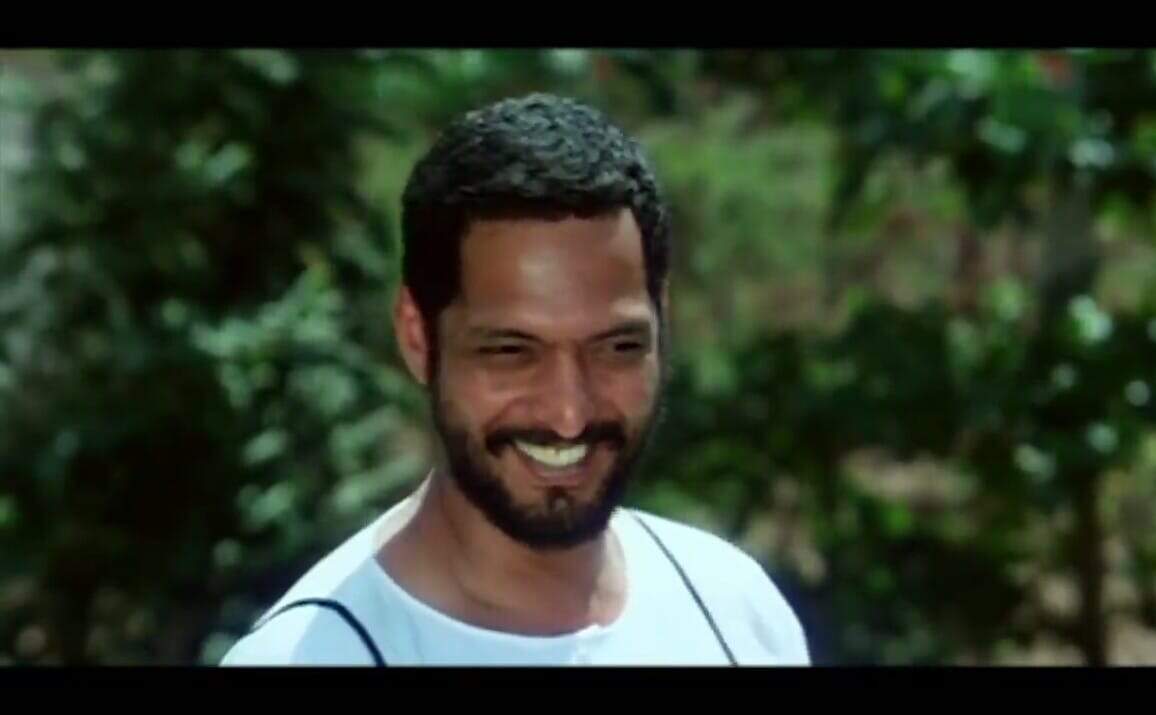
Krantiveer remains the film most synonymous with Patekar, and this line, hurled at a crowd gathered to watch his character’s execution, is its emotional core. It won him the National Film Award for Best Actor, and decades later it still functions as cinema’s sharpest indictment of public apathy, the idea that society shows up only to spectate, never to intervene.
“Saale apne khud ke desh mein ek sui nahin bana sakte, aur hamara desh todne ka sapna dekhte hain.”
Krantiveer (1994)
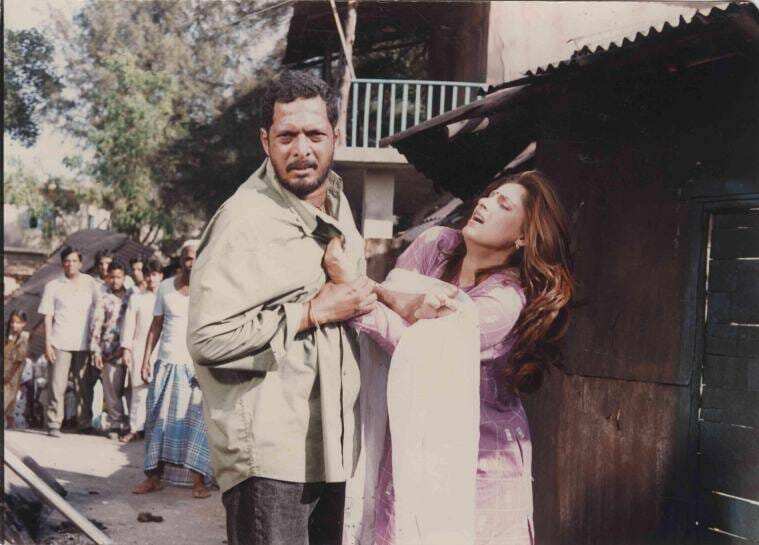
If one film gave Indian cinema its most-quoted patriotic monologue outside of a war drama, it was this one. Patekar’s delivery, part contempt, part challenge, turned a line about manufacturing into a statement about national pride, and it has outlived its context to become shorthand for a very particular kind of righteous Indian anger.
“Behtar hai tu apna iraada badal de, nahin toh main tera naksha badal dunga.”
Ghulam-E-Mustafa (1997)
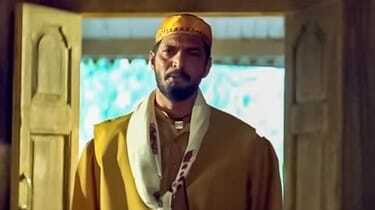
As the reformed gangster-turned-protector Ghulam Mustafa, Patekar delivered threats the way other actors deliver romance, with complete sincerity. This line, a warning dressed as an offer, shows his particular genius for making violence sound almost reasonable, which was always more unsettling than shouting could ever be.
“Ek police inspector joint commissioner ke saath kya argument karega? Hum sab system ka hissa hain. System decide karta hai, apun follow karta hai.”
Ab Tak Chhappan (2004)
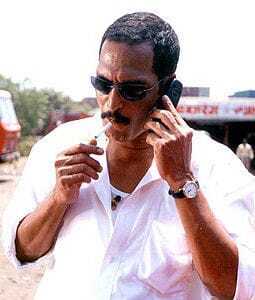
A decade on from Krantiveer’s fire, Patekar as encounter specialist Sadhu Agashe showed a different register entirely: weary, procedural, almost resigned. This line is less a roar than a shrug, delivered by a man who has made peace with his own powerlessness inside the machine, and it remains one of the finest examples of his gift for quiet menace.
“Sur mhanto saath de, diva mhanto vaat de, unhamadhlya mhataryala fakta tuza haath de.”
Natsamrat (2016)
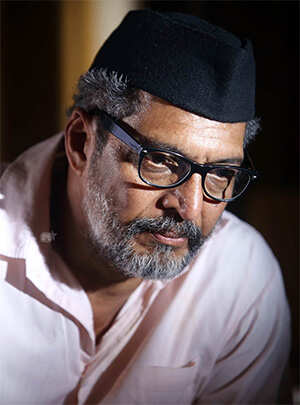
In his Marathi masterpiece, playing a retired theatre actor abandoned by his children, Patekar traded aggression for anguish entirely, and won a National Film Award nomination along with widespread acclaim for it. This line, a plea for nothing more than a steadying hand from the people he raised, revealed the vulnerability that had always existed underneath the growl, and it remains one of the most quietly devastating moments of his career.
“Yeh sharif log bahut badmaash hote hain, sharafat ki zubaan nahi samajhte hain.”
Welcome (2007)
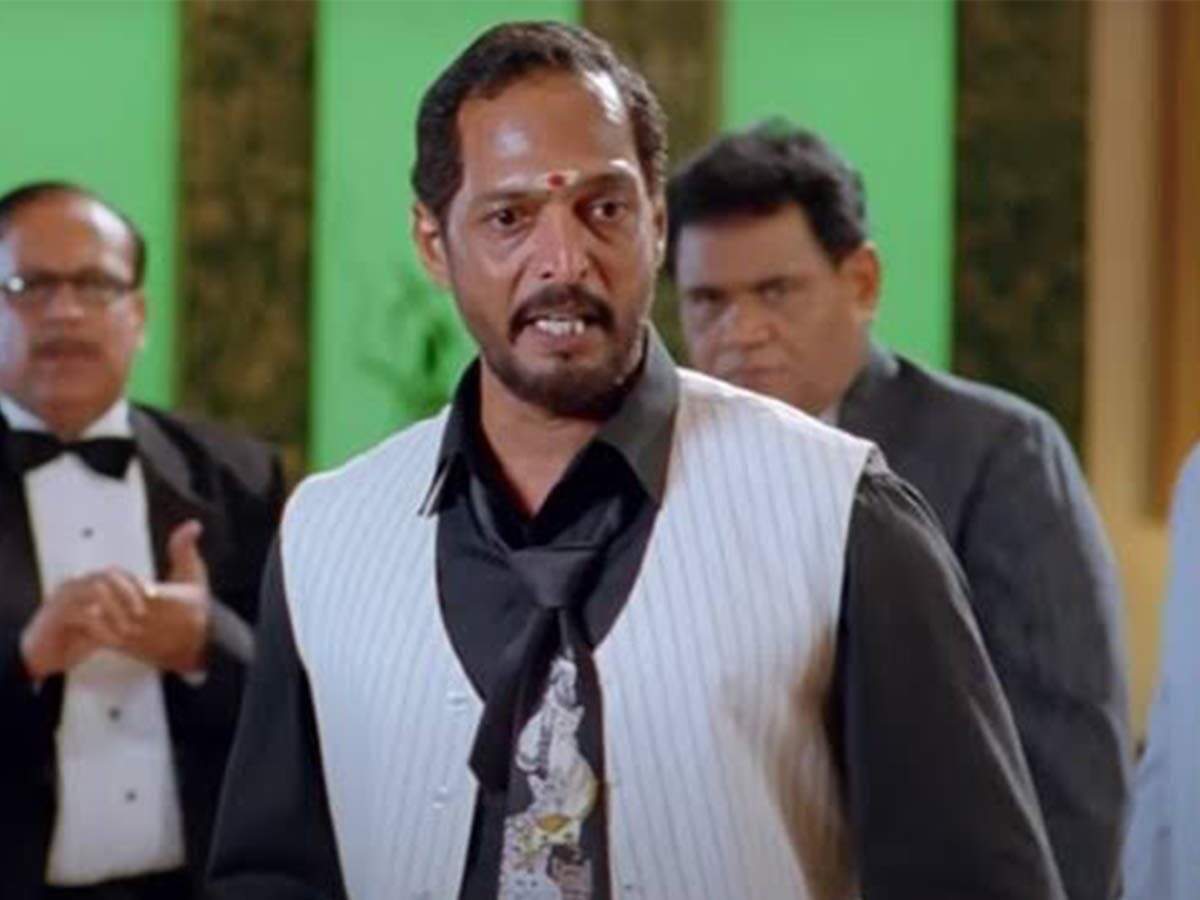
Patekar’s gift for menace translated beautifully into comedy too, and this line from his gangster-with-a-code Uday Shetty is a reminder that his timing was as sharp in a farce as it was in a courtroom drama. It is delivered almost conversationally, which somehow makes it funnier and more threatening at once, a tonal balancing act very few actors ever mastered.
What made Patekar extraordinary was never the volume of his delivery, though volume was rarely in short supply. It was the conviction underneath it, the sense that every dialogue was an argument he had already won before the scene began. Hindi and Marathi cinema have lost one of their fiercest voices today. His words, fortunately, were never going to need his permission to stay.
Also read: Remembering Nana Patekar’s Best Films: Parinda, Krantiveer, Welcome and More
Disclaimer : This story is auto aggregated by a computer programme and has not been created or edited by DOWNTHENEWS. Publisher: filmfare.com