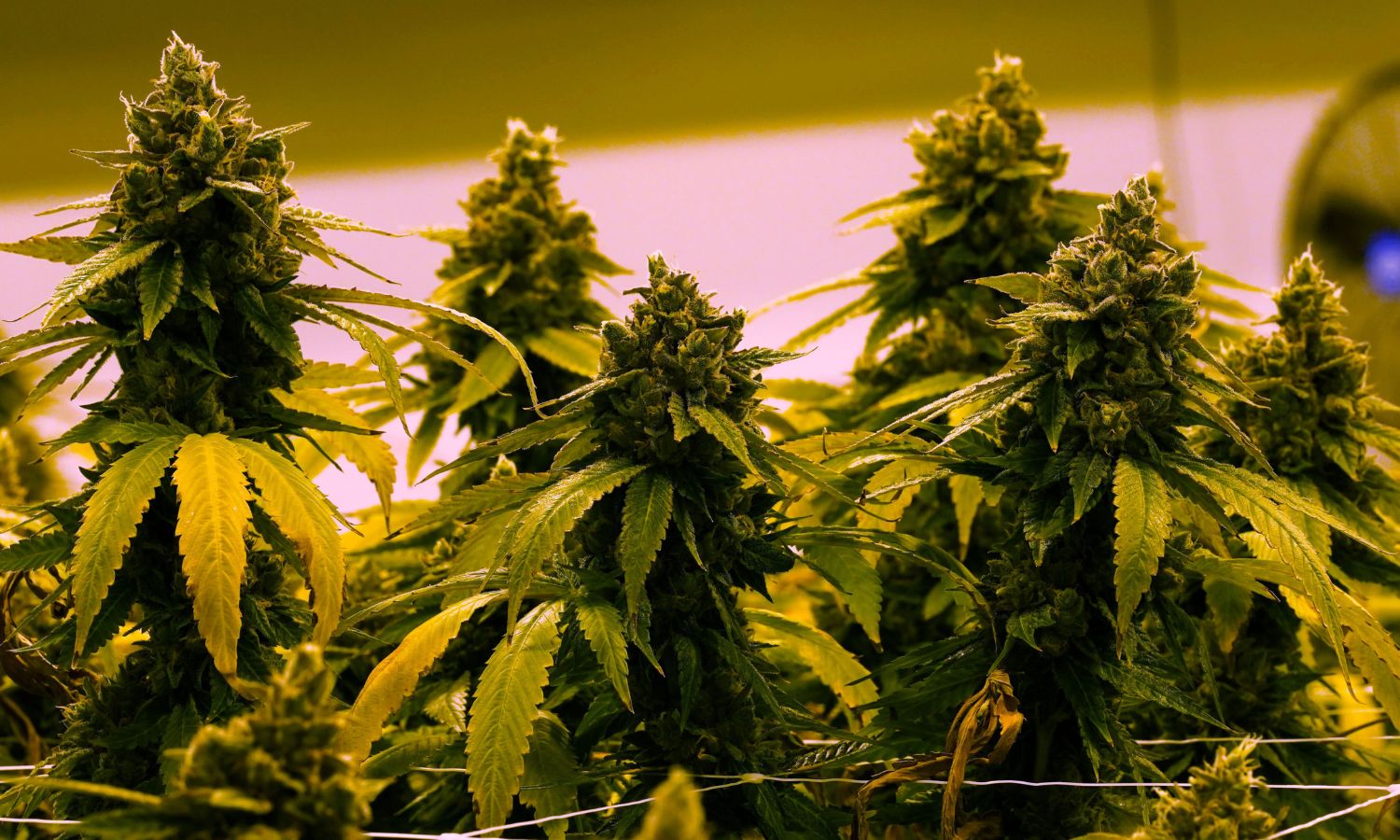
Cannabis, which is traditionally referred to as ‘Vijaya’, is deeply woven into India’s cultural and spiritual history, dating as far back as 2000 BCE. The first mention of Cannabis can be seen in the “Atharva Veda” in which it is considered to be one of the five most sacred plants on Earth; consumption via edible preparations like bhang remains legal and deeply integrated into festivals like Holi and Mahashivaratri. To this day, government-certified bhang shops operate legally across many parts of the country.
However, the legal status of the wider plant changed dramatically in 1985 with the passage of the Narcotic Drugs and Psychotropic Substances (NDPS) Act. This legislation heavily criminalized the cultivation, sale, and possession of the cannabis flower and resin, leaving an ambiguous regulatory environment that effectively stalled domestic research and medical development for decades.
The Ayurvedic Loophole and Market Expansion
Despite strict limitations on the flower, a new generation of healthcare startups has found a legitimate pathway forward. By extracting cannabinoids exclusively from the plant’s leaves rather than the prohibited flower or resin, companies like BOHECO (Bombay Hemp Company) and Qurist are manufacturing fully legal wellness products.
Operating under licenses from the Ministry of AYUSH (Ayurvedic medicine), these ventures formulate precise ratios of CBD (cannabidiol, which provides therapeutic benefits without a psychoactive “high”) and tiny, strictly regulated amounts of THC (tetrahydrocannabinol).
Doctors are increasingly prescribing these remedies to address common modern ailments:
Chronic Pain Management: Offering a non-opioid alternative for severe inflammation, arthritis, and the side effects of oncology treatments.
Stress and Anxiety Relief: Lower-strength CBD tinctures and gummies are finding highly consistent repeat usage among people managing severe lifestyle anxiety.
Insomnia and Sleep Disorders: Higher-potency formulations are increasingly sought out to combat sleeplessness without relying on habit-forming sleeping pills.
This domestic industry is no longer operating in the shadows. The sector complies fully with standard commercial practices, processing transactions through mainstream banks and paying GST.
Judicial Turning Point
As consumer adoption scales, regional legal frameworks are expanding. The Indian state of Himachal Pradesh has actively stepped forward to legalize and regulate commercial cultivation, creating a localized agricultural blueprint for industrial hemp and cannabis growth.
At the national level, a critical legal battle is generating massive institutional momentum. An ongoing case led by the “Great Legalisation Movement India Trust”, an advocacy organization founded in 2014 by Viki Vaurora, has brought the conversation directly to the country’s highest legal corridors.
The Delhi High Court recently issued a landmark directive, instructing the Union government to engage with scientific, medical, and civil society stakeholders to evaluate whether current restrictions under the NDPS Act require relaxation. The court gave the government a six-month deadline to take a formal policy decision, which comes due in July 2026.
With this judicial pressure converging with thriving consumer demand, India stands at the precipice of a regulated, scientific cannabis economy, one that bridges its ancient medical history with modern, evidence-based healthcare.
This article is written by Hannah Judith Johnson, a student at Tezpur Central University, interning with Deccan Chronicle.
Disclaimer : This story is auto aggregated by a computer programme and has not been created or edited by DOWNTHENEWS. Publisher: deccanchronicle.com