
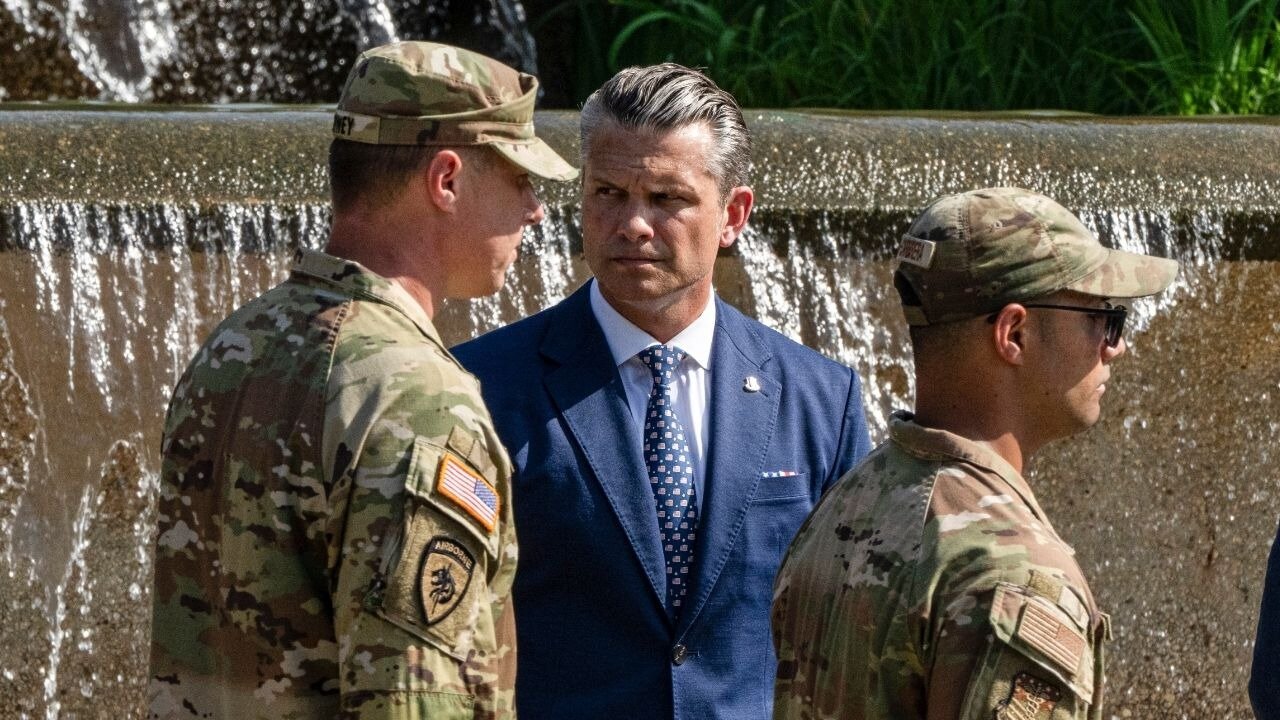
TEHRAN — Relentless Iranian drone and missile strikes targeting American bases across West Asia have wounded nearly 700 US service members, with traumatic brain injuries rapidly becoming the leading casualty of the joint US-Israeli war, according to a report by the Associated Press.
When precision-targeted Iranian drones detonate near military compounds, powerful pressure waves tear through human brain tissue. Unlike visible shrapnel or open physical wounds, these invisible shockwaves inflict serious cellular damage that shakes the neurological foundations of troops, creating severe health problems that will last long after the physical conflict ends.
Despite the rising casualty count, officials in Washington have frequently downplayed the severity of these injuries. Pentagon spokesman Sean Parnell recently characterized the majority of casualties sustained over a concentrated two-week period as merely “minor concussions.” However, medical professionals warn against rushing service members back into active combat before their brains have time to heal. Concussions are often grouped under the deceptive label of “mild” brain trauma, but lingering symptoms can persist for months or years. Affected soldiers endure chronic headaches, severe dizziness, and persistent cognitive haze, commonly known as “brain fog,” and doctors admit they have no reliable way to predict which soldiers will fully recover.
The aerial and drone-driven nature of this war creates a far more dangerous environment for brain trauma than previous conflicts in Iraq and Afghanistan. Instead of ground-level roadside bombs, aerial drones detonate closer to soldiers’ heads, generating unique pressure waves that tear through neural pathways in ways medical science is only beginning to understand. Repeated exposure to these blast waves dramatically increases the risk of degenerative brain conditions such as chronic traumatic encephalopathy (CTE), a disease usually associated with professional football. Dr. David Okonkwo, a brain trauma specialist at the University of Pittsburgh, has stressed that the brain must be given full recovery time before facing new trauma, though the fast operational tempo of the current war rarely affords soldiers adequate time to rest.
The mounting toll of invisible injuries is also creating political fallout in Washington, where lawmakers are demanding formal investigations into administrative neglect and substandard medical care for wounded service members. They point to critical flashpoints, such as a devastating drone strike on a tactical base in Kuwait that claimed the lives of six US soldiers. Senator Tammy Baldwin of Wisconsin recently pressed defense officials to release findings regarding care delays, stating that she spoke directly with constituents who sustained traumatic brain injuries from Donald Trump’s war in Iran and went weeks without so much as a screening, let alone specialized care.
While Defense Health Agency spokesman Peter Graves stated that official policy mandates immediate TBI screening for all service members, troops on the ground describe a very different reality. A deeply ingrained military culture often discourages soldiers from reporting invisible wounds out of fear of being viewed as weak or unfit for duty. As a result, many suffer in silence, using alcohol or other substances to manage nightmares and memory loss while forcing themselves to remain on duty. Left untreated, these injuries can devastate veterans’ lives years after combat ends, leading to severe memory lapses, extreme light sensitivity, and personal relationships fraying under the weight of unexplainable volatility.
As the catastrophic human and structural toll of the US aggression continues to mount, the reckless adventurism of the war on Iran is visibly collapsing from within, exposing the profound hubris and strategic failure of Washington’s ambitions. Rather than achieving its stated objectives, the unprovoked military campaign has severely depleted the United States’ global stockpile of precision long-range missiles, laying bare an unsustainable overextension of military power that has ignited fierce internal recriminations inside the administration. The reported confrontation between President Donald Trump and Secretary of War Pete Hegseth at Camp David over critical munitions shortages and deceptive assessments of military readiness underscores a regime scrambling to mask its own operational bankruptcy. Ultimately, this widening military and economic crisis ties directly back to the human tragedy inflicted upon America’s own ranks: a reckless war of aggression that drains national arsenals while sentencing hundreds of service members to suffer lifelong, invisible neurological damage for an ill-conceived and failing geopolitical gamble.
Disclaimer : This story is auto aggregated by a computer programme and has not been created or edited by DOWNTHENEWS. Publisher: tehrantimes.com





