
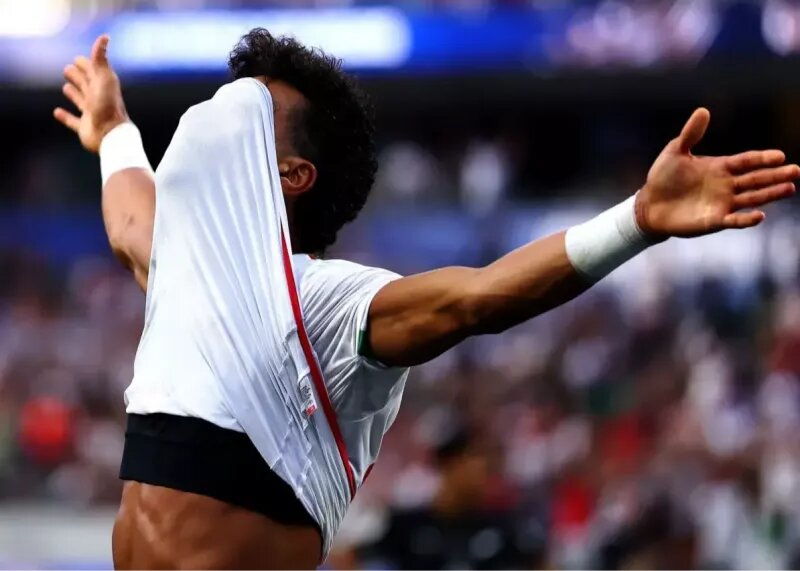
TEHRAN – In a cruel twist of fate, Iran narrowly missed out on a historic place in the World Cup knockout stage. Had just one of three results elsewhere gone in their favor, Team Melli would have reached the Round of 32 for the first time. Instead, every outcome worked against them.
Iran endured numerous challenges throughout the tournament, many of them beyond the team’s control. One of the biggest obstacles was the demanding travel schedule. After every match, the squad were forced to return to Tijuana without adequate time for recovery before traveling back to the next host city just one day before kickoff. Despite FIFA’s assurances, logistical issues remained unresolved, leaving the Iranian players physically exhausted and mentally drained. Yet, in the end, those difficulties were not the main reason behind their elimination.
Iran had every opportunity to make history in a favorable group but failed to capitalize. Amir Ghalenoei’s side could have taken a giant step toward qualification with a victory over New Zealand in the opening match. They also failed to make the most of the 30-minute numerical advantage after Belgium were reduced to ten men. Even against Egypt, a more ambitious approach—similar to the attacking display shown in the closing stages—might have been enough to secure progression.
Instead, Iran entered the tournament with a safety-first mentality, focused primarily on avoiding defeat. While that cautious approach earned respectable results, it ultimately fell short when the team needed a winning edge.
Iran’s fate eventually rested in the hands of others. Had Croatia lost to Ghana, Congo failed to defeat Uzbekistan, and Algeria’s match against Austria had a winner, Team Melli would have advanced. But relying on other teams to determine your destiny is rarely a recipe for success.
Another major concern was the age profile of the squad. Iran arrived at the World Cup with an experienced but aging team, despite having the opportunity to begin a generational transition after the 2023 AFC Asian Cup. Although Ghalenoei had promised to inject youth into the squad, that rebuild never truly materialized.
Success at the World Cup demands both experience and youthful energy. The right balance gives teams the intensity and resilience required to compete at the highest level. Without it, fatigue inevitably takes its toll.
Now, Iranian football must look ahead. The priority should be building a new generation capable of pursuing greater ambitions on the world stage. That process also requires a shift in vision at the federation level. Under the leadership of Mehdi Taj, who has overseen the federation during each of Iran’s last three World Cup campaigns, the national team have failed to break new ground. Iran have also fallen short of expectations in recent AFC Asian Cups, raising legitimate questions about whether new leadership is needed to move the country’s most popular sport forward.
This heartbreaking elimination will sting for a long time. But football always offers another chance. Iran must learn from this disappointment, rebuild with purpose, and rise again—because the journey never truly ends.
Disclaimer : This story is auto aggregated by a computer programme and has not been created or edited by DOWNTHENEWS. Publisher: tehrantimes.com







