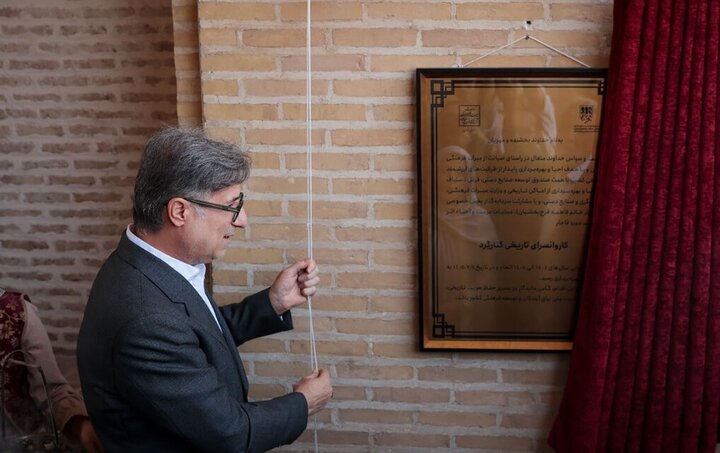
TEHRAN – The first phase of restoration and development works at the historic Kenargerd Caravanserai in Hasanabad, Fashapuyeh district, south of Tehran province, was inaugurated on Sunday, marking World Tourism Day.
The 17th-century caravanserai is being transformed into a cultural and tourism complex, with further phases planned to add accommodation, hospitality and other tourism facilities.
The ceremony was attended by local officials and representatives of Iran’s Ministry of Cultural Heritage, Tourism and Handicrafts, including representatives of the Revitalization and Utilization Fund for Historical Places, the Friday prayer leader of Fashapuyeh, the head of the Cultural Heritage Department of Rey County, the district governor, and local police officials.
Under an agreement between the private-sector operator and the Revitalization and Utilization Fund for Historical Places, the property has been temporarily transferred to the operator for restoration and maintenance. In return, the operator is permitted to use the restored monument for cultural and commercial purposes for a specified period, subject to conditions agreed with the fund.
Addressing the inauguration ceremony, Majid Shokri, director of the fund, stressed the role of investors and entrepreneurs in creating employment under current economic conditions.
He said that even creating a single job represents a valuable contribution, emphasizing the importance of entrepreneurship in the current circumstances.
Shokri also pointed to the development potential of Fashapuyeh, saying that proper planning and effective use of local capacities could contribute to economic development and job creation.
He said the fund has in recent years sought to facilitate private-sector participation in the restoration and adaptive reuse of historic buildings.
According to Shokri, nearly $100 million in private investment has been attracted for about 200 historical properties managed by the fund.
He said the investment demonstrated that historic buildings, when provided with appropriate conditions for restoration and reuse, can contribute not only to heritage conservation but also to economic activity, employment and regional development.
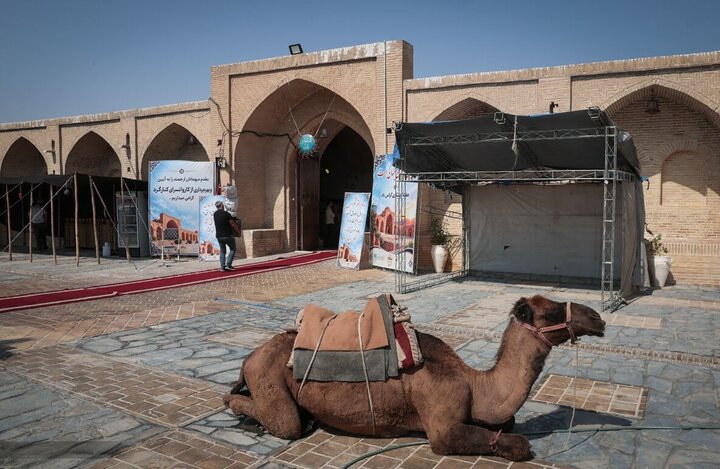
The inauguration, however, does not mark the completion of the Kenargerd project, with significant parts of the complex still awaiting restoration.
Farhad Bagheri, the investor and operator of the caravanserai, told the Tehran Times that the property was in very poor condition when it was handed over.
The second courtyard, where restoration work has yet to begin, offers an indication of the condition of parts of the complex before the project started, he said.
Bagheri added that restoration and improvement costs had risen considerably above initial estimates due to inflation and conditions resulting from the war.
He expressed hope that the subsequent phases would be completed and put into operation within the next six months.
Kenargerd’s architecture reflects characteristics associated with Safavid-era caravanserais, including the type commonly known as Shah Abbasi caravanserais.
The property was transferred under a 24-month timetable for the implementation of restoration work. Under the development plan, the second caravanserai building is also expected to become operational, while accommodation facilities are planned for the second phase.
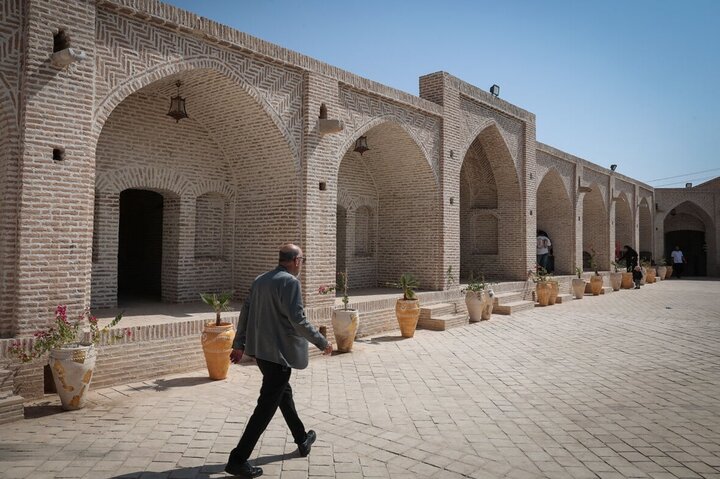
Kenargerd is part of Iran’s long tradition of roadside architecture. Its four-iwan plan, central courtyard, regularly arranged chambers and service areas reflect the functional design of traditional Iranian caravanserais. Deep iwans provided shaded spaces for travelers, while thick walls helped moderate temperatures in the hot and dry climate.
The complex also included facilities such as stables, a bathhouse and a water reservoir, illustrating how caravanserais were designed to meet the practical needs of travelers, their animals and trading caravans.
Traditional materials, including river stone, sand-and-lime mortar, brick and adobe, were used in its construction.
The restoration and adaptive reuse of Kenargerd is part of a broader effort in Iran to bring historic properties back into economic and cultural use through private investment while preserving their heritage value.
AM
Disclaimer : This story is auto aggregated by a computer programme and has not been created or edited by DOWNTHENEWS. Publisher: tehrantimes.com