
A rare virus linked to rodent exposure has hit the headlines, but what legal protection is available for holidaymakers who catch it during their travels?
No one wants to fall ill while on holiday, particularly when it involves a rare and potentially serious virus that has recently appeared in international travel news. While the overall risk of catching hantavirus remains low, recent incidents linked to shared travel environments have raised questions about what legal protection may be available for those affected.
According to the World Health Organisation (WHO), hantaviruses are typically transmitted to humans through contact with infected rodent urine, droppings or saliva, usually in poorly ventilated or contaminated settings. Most infections are said to be environmentally acquired, although some strains such as Andes virus have shown limited person-to-person transmission in close-contact situations.
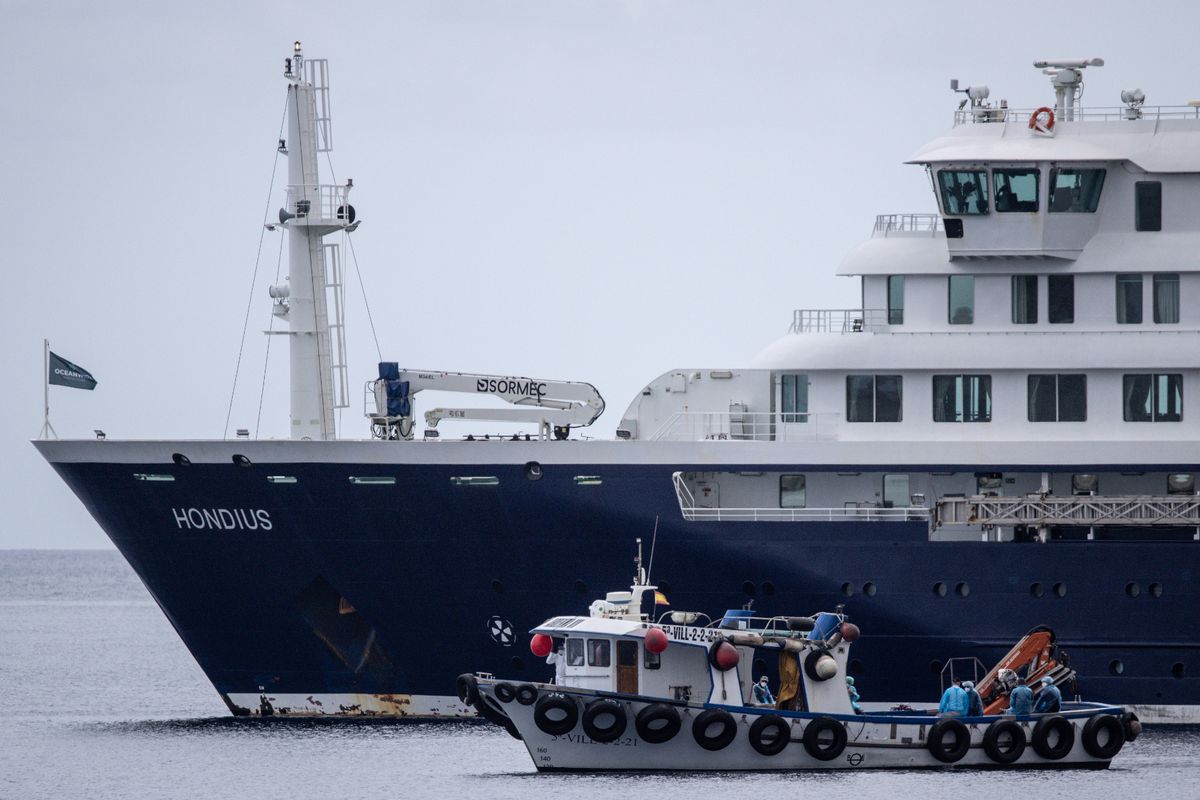
The WHO has also issued updates on a cruise-related outbreak involving Andes hantavirus, which is currently under investigation by international health authorities. As of May 13, a total of 11 cases (eight confirmed, one inconclusive and two probable cases), including three deaths (two confirmed and one probable), have been reported, with contact tracing and exposure investigations ongoing.
Health officials say the cases are being examined to determine whether exposure occurred on land during travel or in confined onboard environments, where passengers were in close proximity over extended periods. Cruise operators and public health agencies have been working with international authorities as part of ongoing investigations into potential transmission routes.
The UK Health Security Agency (UKHSA) says hantavirus symptoms can include fever, fatigue, muscle aches and, in severe cases, respiratory distress requiring urgent hospital care. It advises travellers who develop symptoms after returning from abroad to seek immediate medical attention and disclose recent travel history to clinicians.
Under UK law, holidaymakers may be entitled to compensation if illness can be linked to negligence by a travel provider. The Package Travel and Linked Travel Arrangements Regulations 2018 state that organisers can be held liable if proper health, hygiene and safety standards are not met during a package holiday.
Citizens Advice explains that successful claims typically require evidence that reasonable care was not taken, such as failure to control pests or maintain safe accommodation conditions. Supporting documentation can include medical reports, photographs and written complaints made during the trip.
Travel experts stress that hantavirus infections remain extremely rare for holidaymakers, even in regions where rodent exposure is more common. However, they say the recent cruise-linked investigations highlight the importance of monitoring hygiene standards in shared or enclosed travel environments.
The Association of British Insurers (ABI) says travel insurance may cover emergency medical treatment abroad, but levels of cover vary depending on policy wording and exclusions. Travellers are advised to check whether outbreaks, accommodation conditions or infectious diseases are specifically included.
Experts note that proving liability in hantavirus-related holiday illness cases can be complex, particularly where exposure may have occurred in multiple locations during travel. However, where poor sanitation or pest infestations are clearly documented, claims under package travel regulations may be possible.
Ultimately, health authorities emphasise prevention, including avoiding contact with rodent waste, reporting hygiene concerns immediately, and seeking medical help promptly if symptoms develop after returning home.
Disclaimer : This story is auto aggregated by a computer programme and has not been created or edited by DOWNTHENEWS. Publisher: www.dailyrecord.co.uk



