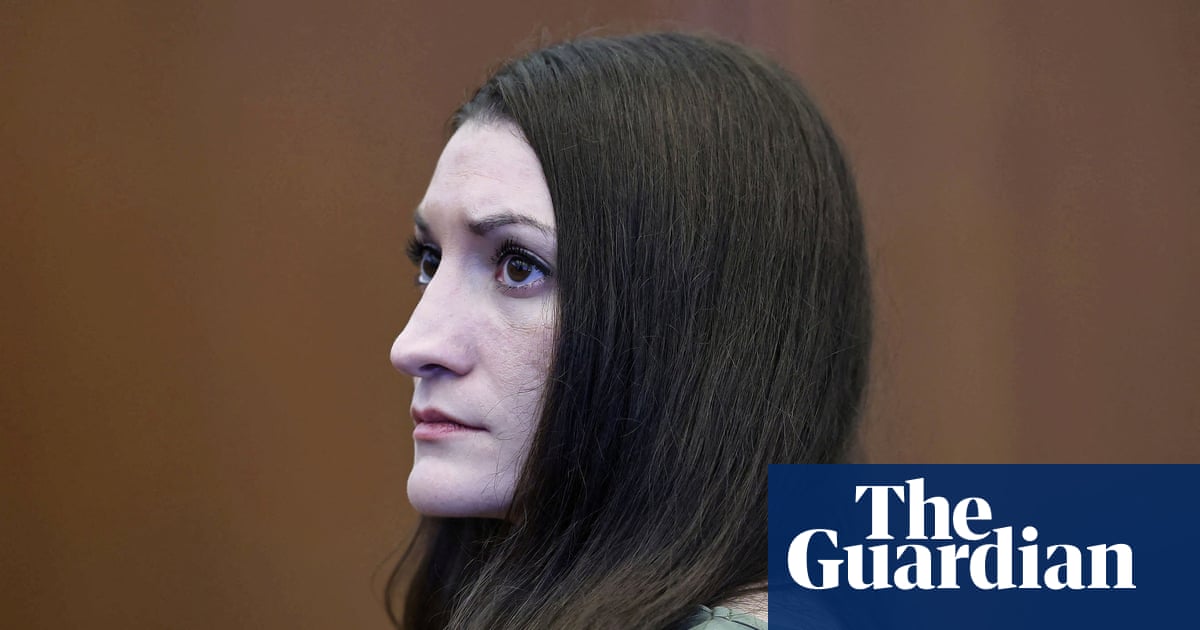
Lindsay Clancy returned to court on Monday in an attempt to dismiss the charges that she murdered her three young children.
The hearing Monday was the second time the Massachusetts mother has been in court since her trial ended with a deadlocked jury in September after jurors were unable to agree on a verdict.
Clancy has never disputed killing her three young children in 2023, but her lawyer has argued she had postpartum psychosis and was unable to control her behavior. Prosecutors have acknowledged that the 36-year-old Clancy had mental health problems but said she acted deliberately and understood her actions were wrong.
The focus of the hearing in front of Judge William Sullivan was a motion from the defense to dismiss the charges on double jeopardy grounds.
At Monday’s hearing, defense attorney Martin G Weinberg argued that Sullivan should have investigated further after the jury foreperson sent two notes indicating that a juror was not following the rules. Further questioning could have revealed grounds to remove the lone holdout juror, Michael Desronvil, and continue deliberations – potentially avoiding the mistrial, he said.
After receiving the notes, Sullivan spoke with each juror, reminded them of their duties and explained what constitutes reasonable doubt. He asked whether they could apply the law to the case, and all said yes.
But Weinberg argued that Sullivan had not gone far enough. A juror who said he could follow the law could have been lying, Weinberg said, and the situation warranted questioning the foreperson separately to learn more about what was happening during deliberations.
“That’s what the foreperson was asking the court to do,” Weinberg said.
“I can see that this is not easy,” he told the judge at one point.
“You don’t have to keep saying that – I have thick skin,” Sullivan replied.
Prosecutor Jennifer Sprague argued that Sullivan had struck the right balance in his handling of the jury. Pressing the foreperson further would have required delving into the substance of the jury’s deliberations, potentially inserting the court’s “interpretation of what is correct” into the process.
“You were the one who looked them in the eyes and asked them the questions and was in the best position to judge their credibility,” she told Sullivan. “And you credited their answers.”
Sprague argued that the holdout juror’s disagreement was not based on personal reasons, but on his belief that Clancy was guilty.
“It is clear from the record that this juror did not refuse to deliberate,” she said. “He refused to agree.”
Since the trial ended, Desronvil said he was certain of Clancy’s guilt but that no one would listen to him.
Prosecutors argue that double jeopardy “does not bar the Commonwealth from seeking justice on behalf of the three victims”.
Disclaimer : This story is auto aggregated by a computer programme and has not been created or edited by DOWNTHENEWS. Publisher: theguardian.com