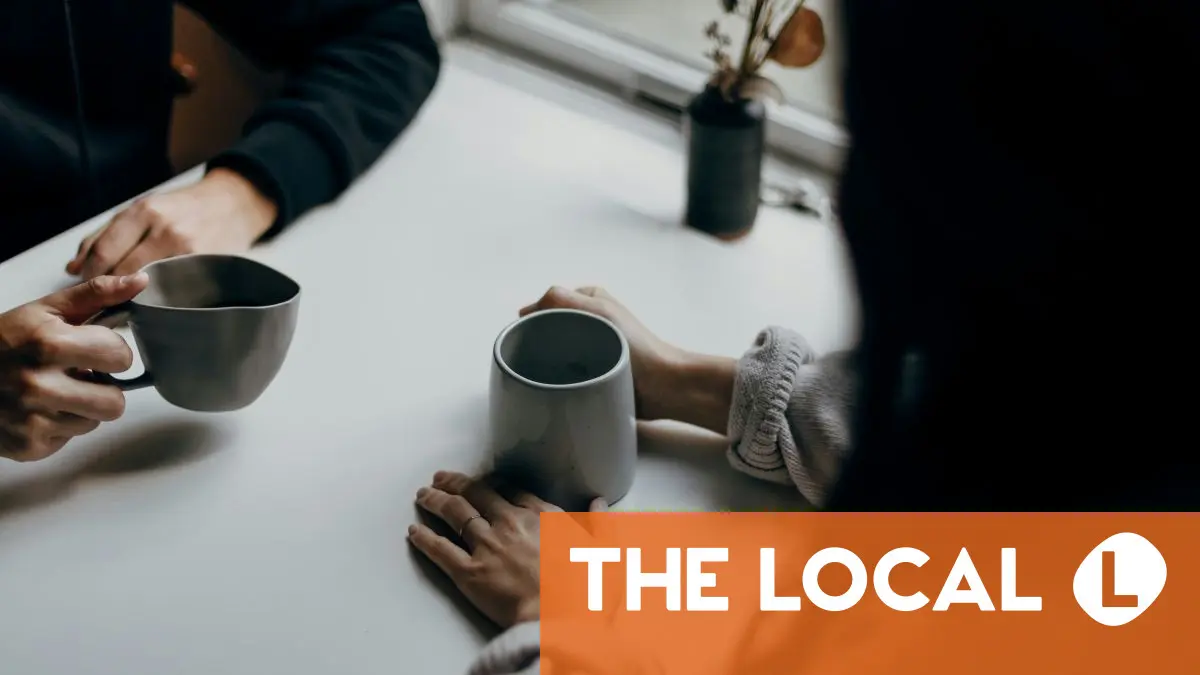
From campfires and ‘coffee mornings’ to familiar foods and absent family, readers reveal the everyday comforts they left behind – and why some are difficult to replace in Germany.
Meat pies, cheap paracetamol, favourite supermarkets, casual conversation…
Moving abroad means leaving behind more than friends, family and familiar places. It also means losing all the little things that never used to require any thought, like knowing where to pick up a favourite snack, how to spend a lazy Sunday afternoon – or how to turn an acquaintance into a friend.
That can be difficult wherever you go. But responses to The Local’s recent reader survey suggest that some features of life in Germany can make familiar pleasures harder to replace, and a new sense of belonging slower to develop.
The tastes of home
Reading through the responses was enough to make the mouth water, with food coming up again and again as one of the clearest triggers for homesickness.
“Most of what I miss is food,” said Jenifer in Stuttgart.
For another, Australian respondent it was the meat pies, while for William from the US it was corn on the cob.
For Michael, who is originally from South East Asia and lives in Frankfurt, food was inseparable from a wider social world.
Michael said he missed “eating out, finding fresh seafood to eat [and] going to wet markets.”
“People who don’t love and appreciate food are sad people,” he added.
READ ALSO: ‘Not for the faint of heart’ – Readers’ advice on moving to Germany
For Steve, who lives in Cologne, the problem wasn’t so much the lack of a certain kind of food as a certain kind of shop. In a comment guaranteed to tug at the heartstrings of many Brits across Germany, he lamented the absence of “quality convenience food.”
“M&S food shopping is something I miss because there isn’t really an equivalent in Germany,” he explained.
Missing old friends – and the difficulty of making new ones
For some respondents, food is inseparable from social life – and that connection ran through several responses.
It wasn’t only particular activities that people missed, but the easy conversation and companionship which often surround them.
Swati, from India, said she missed being able to “just make friends very easily without all the German translation”.
It’s possible to make friends in Germany, she added, but “it is a lot of effort”.
Brenda, a registered nurse who lives in Landshut, named “coffee mornings” and said she particularly missed “talking in my own language”.
But language was not the only barrier readers described. Rachel, who lives in Siegburg, gave one of the most melancholy responses.
“I’ve lived here for 22 years and still don’t have any German friends,” she said. “It’s not for lack of trying, trust me. I live in a small town which clearly adds to the problem, but it was no different when I lived in Cologne.”
READ ALSO: ‘Smile and make conversation’ – How to make friends with Germans
Rachel said she missed “having a social life, having people to talk to about anything and everything, having a support network, not feeling lonely day after day.”
Some of this may come down to cultural differences in how friendliness is expressed and interpreted – an interaction that feels sincere and considerate to one person may seem superficial to another.
Another, anonymous respondent said she missed “basic kindness and consideration for others”.
“Germans always say it’s too hard, it’s fake…But I miss when every interaction with a stranger wasn’t negative. I miss going out in public without it being exhausting and frustrating and difficult,” she added.
The rituals that turn a place into a home
From the responses, it was clear that “home” is partly built from routines and rituals – the things people do together without realising how important they are until they’re gone.
One anonymous respondent from the US, who lives in Hamburg, said she missed playing kickball with a local league.
“It has the camaraderie you might find in a German Sportsverein but without the seriousness. Each week has a different theme and awards for the best costumes. I think I miss the costumes more than the sport!” she said.
Fasching partly fills the gap, she said, “but that only comes once a year”.
Nancy, a professor from the United States who lives in Leipzig, misses “haunted houses and corn mazes during this time of year and American football”.
READ ALSO: Americans in Germany – How to make the most of fall in Germany
Stan, a retired reader from the US who lives in Garmisch, offered a quieter picture of home.
“I lived in Upper Michigan and Wisconsin until moving to Germany five years ago. I miss sitting by a small campfire in the forest or along a riverbank or lakeshore,” he said.
For Jenifer, who said she doesn’t see her adult children as regularly since moving to Germany, the answer was simpler and more profound: “I miss my children.”
When Germany adds friction
Not every response was primarily about nostalgia. Some readers focused on aspects of German life that make familiar freedoms and routines difficult to reproduce.
Two respondents singled out Sunday shops closing rules.
LB, an American living in Freiburg, said, “Working all week, you only have Saturday to get all your shopping done. Also cleaning, car wash, laundry, etc…”
The second respondent pointed out that it also meant “shops are busier than they need to be on Saturdays.”
Simon, who comes from the UK and lives in Frankfurt, said he missed the convenience of “being able to buy a packet of paracetamol for 40p (50 cents) in my local supermarket”.
Steve, also from the UK, raised a more personal concern: “Better bedside manner in hospitals is something I miss.”
Others missed freedom of a broader kind. A writer from the US living in Berlin said she longed for the ability to “change careers. Start a new business. Try something new.”
What she misses is “flexibility and curiosity – the ability to change your circumstances.”
Asked what Germany offered instead, she answered, “Bureaucracy, rigidity, outdated thinking.”
JA, from Central America, offered a lighter example of the same tension, saying he missed being allowed to be “reasonably late” for appointments.
READ ALSO: REVEALED – Where to buy groceries on a Sunday in Germany
Disclaimer : This story is auto aggregated by a computer programme and has not been created or edited by DOWNTHENEWS. Publisher: thelocal.de