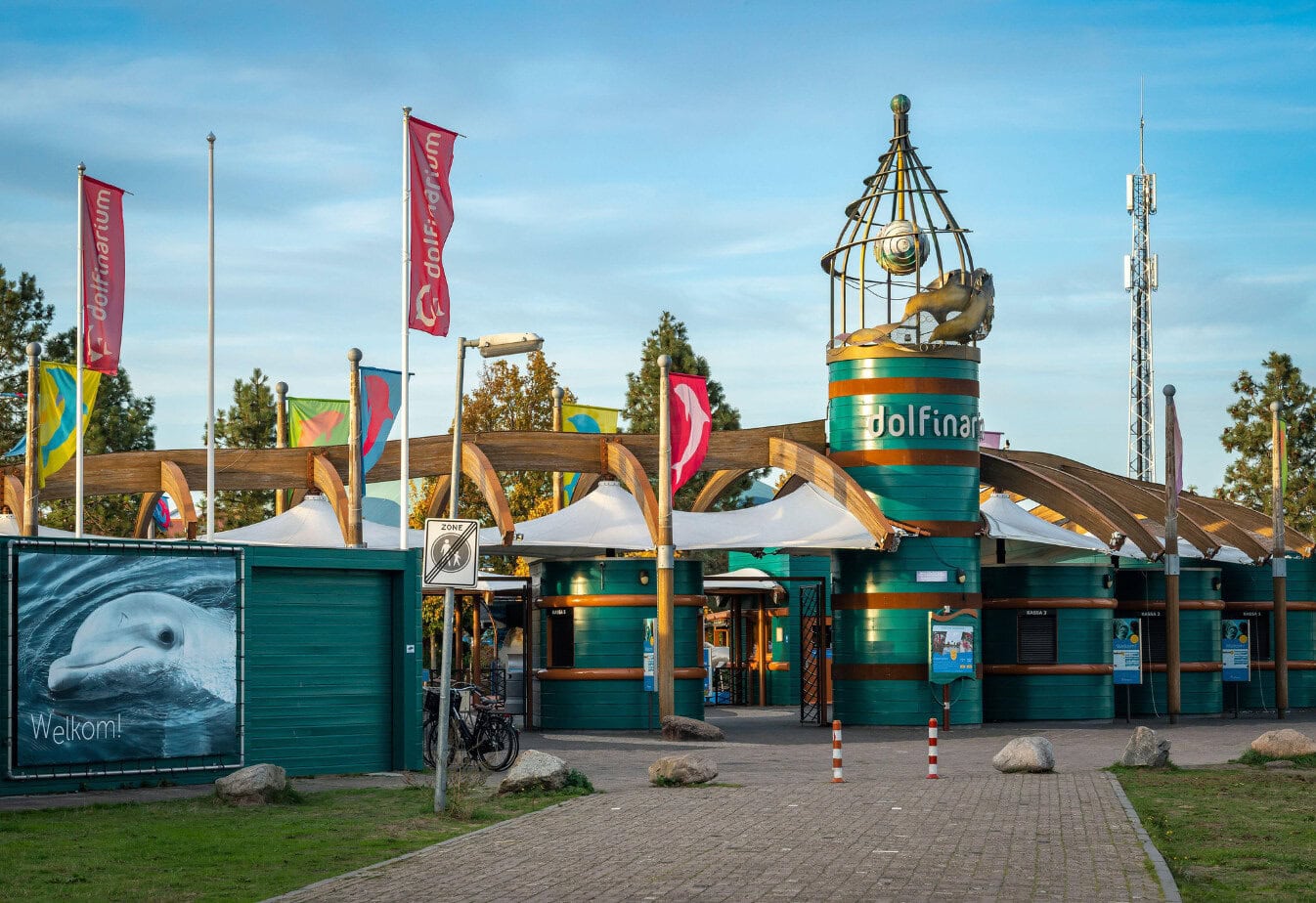
The Dutch government plans to gradually end the keeping of dolphins in captivity. It says their natural needs cannot be met in artificial pools. Dolfinarium Harderwijk in the Netherland currently has 22 bottlenose dolphins in pools.
State Secretary for Agriculture and Nature Silvio Erkens announced the plans in a letter to parliament. A breeding ban is expected to be introduced within two years. The marine park will not be required to close.
Erkens said dolphins need space to swim long distances, dive deep and explore their surroundings, something captivity cannot provide. He also raised concerns about the health effects of keeping dolphins in chlorinated water.
“Dolphins are intelligent animals that need constant stimulation and have a natural need to dive deep and swim long distances,” he said.
Breeding ban within two years
Under the proposed plans, breeding dolphins in captivity will eventually be forbidden in the Netherlands. Imports from other countries will still be permitted in limited circumstances, but not to maintain the captive population indefinitely.
The government has ruled out an immediate ban. They said that the 22 dolphins currently at Dolfinarium Harderwijk would not survive if released into the wild.
Erkens said an immediate end to captivity could therefore mean euthanising the animals, which he considers unacceptable. Instead, the government wants to phase out dolphin captivity over time, allowing the existing animals to remain in care.
The measures are not intended to force Dolfinarium Harderwijk to close, but to make sure that keeping dolphins in captivity eventually comes to an end.
Dolfinarium Harderwijk
Dolfinarium Harderwijk has criticised the plans and wants to discuss them with the government.
The park argues that preventing breeding could itself create welfare problems. In a statement, it said the measures would mean that male and female dolphins have to be separated or given contraceptives for extended periods.
Erkens said the policy is not specifically aimed at Dolfinarium Harderwijk, but reflects wider concerns about the welfare of dolphins kept in captivity.
The government has not set a date for when the last dolphin will disappear from captivity in the Netherlands.
Disclaimer : This story is auto aggregated by a computer programme and has not been created or edited by DOWNTHENEWS. Publisher: theanimalreader.com