- Supreme Court considers not imposing blanket firecracker ban.
- Chief Justice seeks balanced order, urges public adherence.
- Court examines religious sentiments, promotes public awareness efforts.
- Long-standing firecracker pollution case, next hearing October 15.
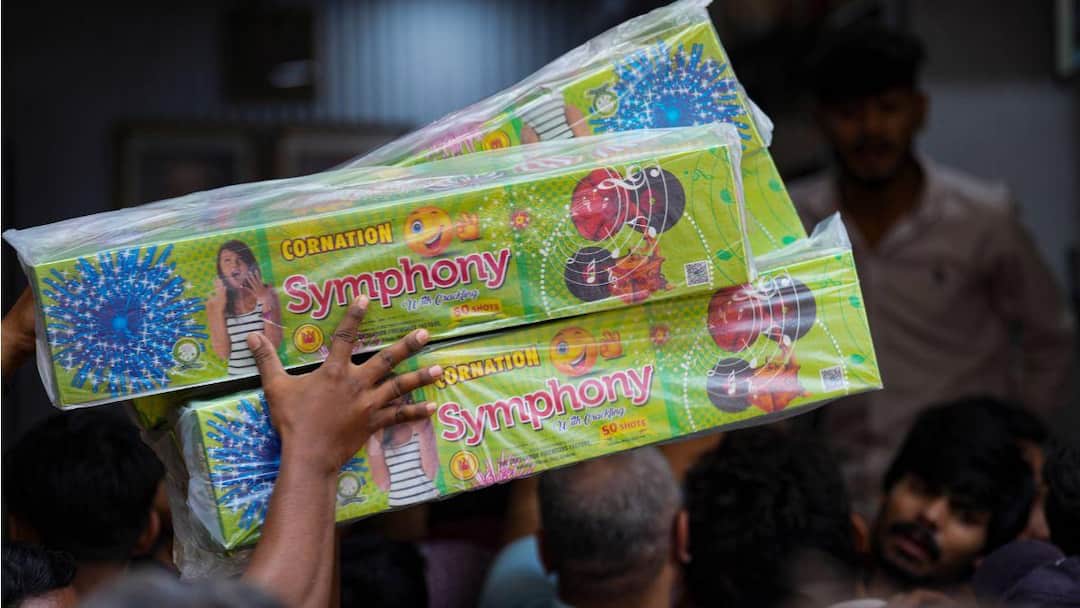
The Supreme Court has indicated that it may not impose a blanket ban on firecrackers, suggesting that it could instead issue directions similar to last year, allowing the sale and use of green crackers during designated hours.
Chief Justice of India (CJI) said people tend to view restrictions as punitive measures and that the court still had time to issue a balanced order. He said people would be urged to celebrate festivals while adhering to the prescribed timings.
During the hearing, a lawyer argued that bursting firecrackers was not part of the fundamental right to practise religion. While worship was an expression of religious faith, the lawyer said, bursting crackers was not. The lawyer added that even God would be surprised by such a claim.
Supreme Court Seeks Balanced Approach
The CJI said the court would not hurt religious sentiments but would examine what constituted a balanced approach to the issue.
He also said the best way forward was for people to reflect on the matter themselves, adding that steps could be taken to raise public awareness about the effects of firecrackers.
The next hearing in the case is scheduled for October 15.
Firecracker Pollution Case Dates Back To 2015
The hearing concerns pollution caused by firecrackers in Delhi-NCR. The case has been before the Supreme Court since 2015, with the court issuing various directions over the years on the use of firecrackers between October and January in Delhi, Uttar Pradesh and other pollution-affected parts of northern India.
During an earlier hearing, Solicitor General Tushar Mehta urged the court to allow people to celebrate for two days, referring to festivals such as Diwali, Gurpurab and Christmas.
The court had observed that a complete ban was neither practical nor ideal. It also questioned whether the air quality index had improved or deteriorated since the restrictions were introduced in 2018.
Disclaimer : This story is auto aggregated by a computer programme and has not been created or edited by DOWNTHENEWS. Publisher: abplive.com