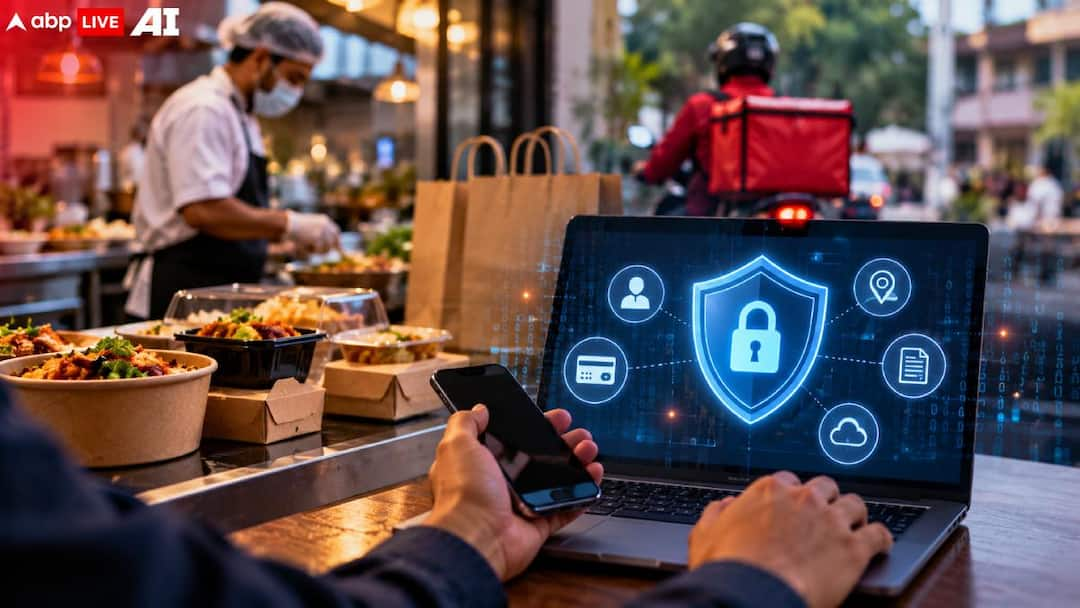
- Food businesses must secure customer data amidst rising cyber threats.
- Interconnected systems create vulnerabilities, leading to significant data breaches.
- Breaches cause reputational damage, operational disruption, and legal risks.
- Robust cybersecurity needs disciplined practices, staff training, and preparedness.
India’s food industry depends heavily on trust. Customers cannot personally inspect kitchens, verify sourcing practices or monitor hygiene procedures every time they order a meal. Instead, they rely on businesses to maintain safe operations. As online food ordering becomes part of everyday life, this expectation extends beyond physical dining spaces. Food businesses collect substantial amounts of personal information, including contact details, home addresses and payment records.
Customers share these details expecting companies to protect their digital information with the same care they apply to food preparation. As online transactions increase, businesses must ensure that sensitive records are handled securely at every stage of their operations.
Why Cybersecurity Is Becoming Critical For Food Businesses
Cyberattacks are increasingly targeting food businesses alongside traditional targets such as banks and technology companies. One notable incident involved details from approximately 18 crore Domino’s India orders appearing online, exposing delivery locations and contact information. Recent ransomware incidents involving major food brands have further highlighted the sector’s growing vulnerability. Modern food and beverage (F&B) companies operate through interconnected networks of payment gateways, franchise outlets, delivery partners and software providers.
Customer information moves across these systems, creating multiple points where security weaknesses can emerge. Common entry points include phishing emails, reused passwords and inadequately secured third-party vendors. The consequences of a data breach extend well beyond temporary technical disruptions.
Exposed customer information can damage brand reputation, interrupt daily operations and trigger expensive investigations. Financial and legal risks add to the pressure, particularly as India’s Digital Personal Data Protection framework establishes obligations for organisations handling personal information, with significant penalties associated with non-compliance. Consequently, cybersecurity is becoming a core governance responsibility for company leadership rather than a function confined to the IT department.
Building Digital Security Through Everyday Operational Practices
Strengthening digital security requires many of the same disciplined practices that underpin food safety, including documented workflows, staff training and regular audits. Businesses must maintain a clear inventory of where customer information is stored, restrict access to critical systems and enforce multi-factor authentication across accounts.
Employees handling daily orders and supplier communications also need continuous guidance to identify fraudulent invoice requests, suspicious messages and phishing attempts. Even seemingly routine communications can provide attackers with opportunities to access sensitive systems.
Preparedness is equally important. Companies should establish incident-response plans, assign clear responsibilities during emergencies and routinely test system backups. These measures can help ensure that a potential cyber incident remains a manageable disruption rather than escalating into a wider operational crisis. India’s food sector has built customer confidence through rigorous attention to the quality and safety of its products.
Applying the same approach to digital assets is a natural next step. While food safety protects what customers consume, cybersecurity safeguards the personal information they entrust to businesses. Companies that prioritise data protection can reduce operational risks, meet regulatory obligations and strengthen their commercial position as consumers become increasingly conscious of digital privacy and security.
(The author is the CEO of RedoQ)
Disclaimer: The opinions, beliefs, and views expressed by the various authors and forum participants on this website are personal and do not reflect the opinions, beliefs, and views of ABP Network Pvt. Ltd.
Disclaimer : This story is auto aggregated by a computer programme and has not been created or edited by DOWNTHENEWS. Publisher: abplive.com