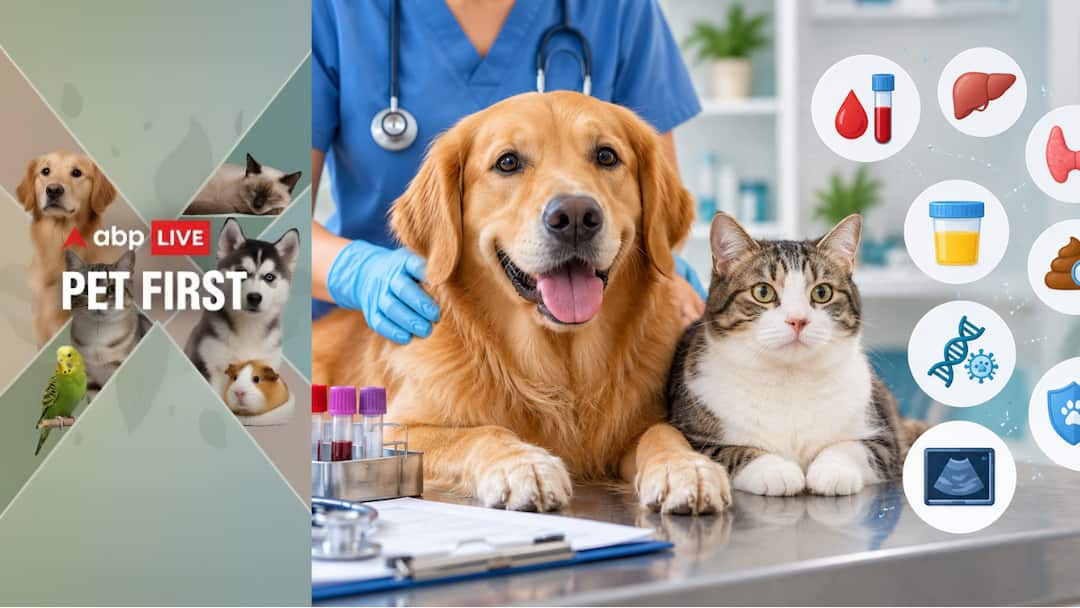
- India’s pet diagnostics advanced, but awareness lags behind.
- Essential tests include blood count, organ function, thyroid.
- Urine, stool, PCR, imaging detect specific health issues.
- Routine diagnostics complement vaccination, ensuring comprehensive pet care.
Until a little more than a decade ago, a pet parent in India seeking a blood test for a dog or cat had limited options. Veterinarians routinely sent animal samples to human pathology laboratories, where machines and reference ranges were designed for people rather than for animal physiology.
That has changed considerably. Dedicated, accredited veterinary laboratories now offer everything from organ function profiles and hormone assays to molecular testing and advanced imaging, often with home sample collection. The difference in accuracy can be striking. Recent Indian studies show that PCR testing detects far more tick-borne infections in dogs than routine microscope examination.
Awareness, however, has not kept pace with capability. Most pet households still treat vaccination as the full extent of preventive care, unaware of the tests now available to them. Seven of these deserve a closer look.
ALSO READ: Pet First | 4 Subtle Cat Behaviours That Mean Your Furry Friend Is Craving Attention
Complete Blood Count Gives The First Snapshot
The simplest place to begin is also the broadest. A complete blood count measures red blood cells, white blood cells and platelets, offering a quick read on anaemia, infection, inflammation and clotting ability. In India, it carries added value because a falling platelet count is often among the earliest laboratory clues to tick fever. Run annually, it also creates a personal reference point, allowing a veterinarian to spot change against the animal’s own normal rather than a textbook range.
Biochemistry Tests Track The Functions Of Vital Organs Like Liver, Kidney
Blood cells reveal only part of the picture. A biochemistry profile examines how the major organs are working, using markers such as blood urea nitrogen and creatinine for the kidneys and SGPT, alkaline phosphatase and albumin for the liver, alongside blood sugar and cholesterol. The value lies in timing. Kidney disease in particular tends to show outward signs only after a large share of function has already been lost. A routine profile can flag the trend while there is still room to manage it through diet and medication.
Thyroid Testing Explains Unexplained Changes
Some changes in a pet are easy to dismiss as age or temperament. A dog that has grown sluggish, gained weight on the same diet or developed a thinning coat may in fact have an underactive thyroid, a common hormonal disorder in middle-aged dogs. Older cats often show the reverse pattern, losing weight despite a healthy appetite when the thyroid becomes overactive. A T4 test measures thyroid hormone levels directly, and once diagnosed, both conditions are generally manageable with treatment.
Urine and Stool Tests Read What Blood Cannot
Blood work has blind spots that two simpler samples help cover. A routine urine examination can detect early kidney changes, urinary tract infections, crystals that precede stones and sugar that may point to diabetes. On the other hand, a stool examination identifies intestinal parasites, some of which, such as roundworms and hookworms, can pass to humans. It also confirms whether deworming is actually working.
PCR Testing Sharpens Tick Fever Detection
Few threats to dogs in India are as widespread as tick-borne infections such as babesiosis and ehrlichiosis, and few are as easy to miss early. Conventional diagnosis relies on spotting parasites in a stained blood smear under a microscope, which works well only when infection levels are high. PCR testing instead detects the pathogen’s genetic material, even in small quantities. The gap is considerable. A 2026 study from northern India found canine babesiosis in 12.5 per cent of dogs by microscopy but in 27.78 per cent by PCR. Research from Odisha the same year recorded 12 per cent against 31.56 per cent. For a dog with recurring fever or a falling platelet count, that difference can decide the course of treatment.
ALSO READ: Pet First | 5 Everyday Signs Your Dog Shows To Communicate With You
Rabies Titre Testing Confirms Protection
Rabies remains a serious public health concern. India recorded over 37 lakh dog bite cases in 2024, according to Health Ministry data, and a 2025 study by the Indian Council of Medical Research, published in The Lancet Infectious Diseases, estimated 5,726 human deaths from rabies in the country every year. Most pet parents are diligent about the rabies vaccine. Fewer realise that a vaccination card only records that the injection was given. It does not confirm that the animal’s immune system responded. A rabies titre test measures antibody levels in the blood, offering a true measure of protection. Many countries also require it before a pet can be relocated.
Imaging Reveals What Samples Cannot
Some conditions leave no trace in blood or urine at all. Digital X-rays assess bones, joints and the chest and can locate swallowed objects. Ultrasonography examines the liver, kidneys, bladder, spleen and reproductive organs in real time, often identifying masses or stones well before symptoms appear. Echocardiography evaluates the structure and function of the heart, which matters for breeds prone to cardiac disease and for senior pets. Where needed, endoscopy allows a direct look inside the digestive tract without surgery.
Routine Testing Completes Preventive Care
Individually, each test answers a specific question. Together, they build a health record that makes every future result easier to read. Many accredited veterinary laboratories now bundle these checks into age-based wellness packages, with essential panels for younger animals and broader ones for seniors that add urine analysis and cardiac markers. Home sample collection spares anxious pets the stress of a clinic visit, and digital reports reach the treating veterinarian without delay. Specialised options, such as molecular allergy testing, are increasingly within reach too. In sum, vaccination will always remain the foundation of preventive pet care. The tests that follow it are what turn protection into genuine understanding.
[Disclaimer: The information provided in this article is intended for general informational purposes only. It is not a substitute for professional veterinary advice, diagnosis, or treatment. Always consult a qualified veterinarian regarding your pet’s health, diet, or any medical concerns.]
Disclaimer : This story is auto aggregated by a computer programme and has not been created or edited by DOWNTHENEWS. Publisher: abplive.com