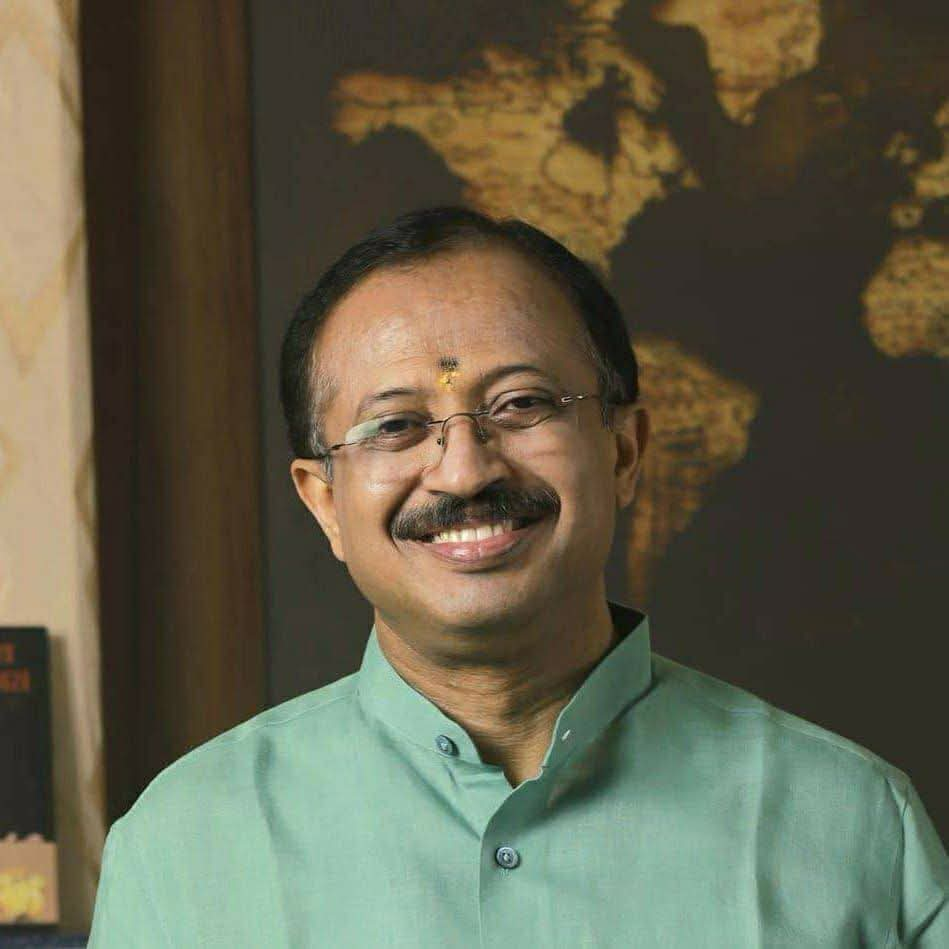
THIRUVANANTHAPURAM: On a recent weekday, Mayor V V Rajesh, accompanied by a team from the Thiruvananthapuram Corporation, toured the grounds of Sainik School Kazhakootam to evaluate whether 20 acres of the expansive campus could accommodate a municipal solid waste-based compressed biogas (CBG) plant.
The visit has since sparked significant concern within the school community. Established in 1962 under the Ministry of Defence, the Sainik School is home to more than 600 residential cadets and has long been a place for disciplined education.
Alumni, parents, staff and nearby residents now find themselves united in opposition – not to the concept of scientific waste management or clean energy, but to the proposed location itself.
They worry about the daily flow of garbage trucks, unpleasant odours, nose flies and broader health and environmental risks that such a facility might bring. Security is another pressing concern.
“It is a defence school, and access to the campus is strictly controlled. Once the plant is established , security could be at risk,” said a parent. A former teacher highlighted the potential for groundwater contamination that could affect local water sources.
With over 2000 people living and working on or around the campus, parent and alumni associations are mobilising to present their concerns to the Ministry of Defence and the Kerala government.
In June, the Director of Military and Sainik Schools had already instructed the principal to coordinate a joint feasibility assessment with corporation officials, with the resulting report to be submitted to the Defence Ministry.
Mayor V V Rajesh has emphasised that no final decision has been made. Discussions with various agencies, including the central government, are ongoing, and stakeholder opinions will be taken into account.
Kazhakootam MLA V Muraleedharan said there is currently no proposal to establish such a plant on the school premises, noting that some reports are based on speculation.
Nevertheless, the underlying issue the Corporation seeks to address is real and pressing.
Thiruvananthapuram lacks a functioning centralised waste treatment facility, generating approximately 423 tonnes of solid waste daily, about 296 tonnes biodegradable and 127 tonnes of non-biodegradable.
Households contribute nearly half of the total waste, with the remainder coming from commercial centres, hotels, restaurants and other sources. Decentralised initiatives introduced more than a decade ago, which included source-level composting, green protocols, bans on certain plastics and requirements for bulk generators to manage their own waste, have provided some relief but have not kept pace with the growing volume.
Officials now contend that a city of this size requires a centralised CVBG plant, similar to the one in Brahmapuram, Kochi, to manage the increasing biodegradable waste and convert it into usable energy.
Across Kerala, the scale is even greater. The state generates over 11,449 tonnes of biodegradable and non-biodegradable waste daily, across six municipal corporations, 87 municipalities and 941 grama panchayats. It is a persistent challenge for local bodies to manage this volume of waste without adequate infrastructure.
The problem is compounded by limited land availability, public opposition and the memory of past failures. That memory is particularly vivid in Thiruvananthapuram because of Vilappilsala. In 2000, the then LDF government selected the village, about 15 km from the city, for a waste treatment plant on government land. The facility was intended to process biodegradable waste into fertiliser at around 300 tonnes a day, well above the plant’s installed capacity of 157 tonnes.
Waste continued to accumulate faster than it could be processed, leading to growing piles. Residents reported widespread respiratory and skin ailments, and drinking water sources became contaminated by leachate. By 2011, the village’s patience had run out. Protests intensified, with trucks blocked and police responding harshly.
Even after court orders allowed the plant to reopen, locals defied prohibitions, preventing machinery and waste from entering. Ultimately, the government was compelled to shut down the facility, a decision later upheld by the National Green Tribunal and confirmed when the Supreme Court dismissed appeals challenging the closure.
The site has remained largely abandoned ever since, serving as a stark reminder of the consequences when capacity, technology and community consent are insufficient. The experience of Vilappilsala explains much of the current caution.
People do not oppose proper waste treatment; they resist the prospect of another inadequately planned or poorly managed facility near homes, schools or defence institutions.
Moving forward requires more than a rushed search for available land – it demands transparent site selection away from residential and educational areas, thorough environmental and health impact assessments, advanced leachate and odour control systems and genuine, early engagement with those who will live closest to any plant.
A centralised CBG facility is a logical solution for a city generating hundreds of tonnes of waste daily, but it must be carefully designed and strategically located to avoid repeating the errors that led to Vilappilsala’s closure. At the same time, strengthening decentralised systems – through improved household composting, stricter regulation of bulk waste generators, and reliable collection services – remains essential.
Mayor Rajesh’s commitment to considering public opinion is a positive step, and the Defence Ministry’s upcoming review of any joint report will provide further oversight.
Ultimately, successful waste management will depend not on choosing the path of least resistance, but on treating it as both a technical challenge and a social responsibility.
Thiruvananthapuram and Kerala more broadly require modern treatment capacity alongside the trust of communities that will live nearby. Identifying a site that fulfils both criteria is the real challenge ahead.
Disclaimer : This story is auto aggregated by a computer programme and has not been created or edited by DOWNTHENEWS. Publisher: deccanchronicle.com