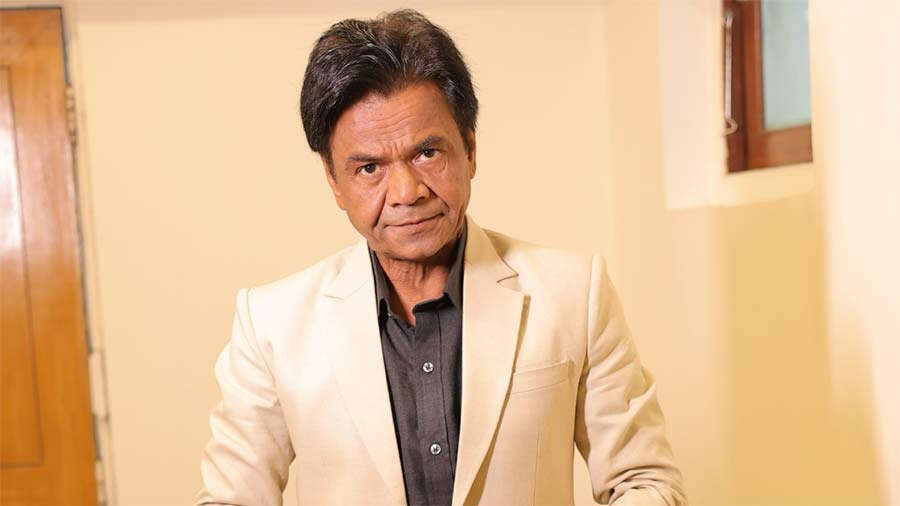
A bench of Justice Swarana Kanta Sharma sentenced Yadav to three months’ simple imprisonment in each of the seven complaint cases. The court also directed him to pay a fine of ₹1.05 crore in each case.
According to the judgment, despite being given several chances, Yadav failed to fulfil the undertakings he had made before the court. This eventually prompted the court to direct him to surrender. The High Court further observed that although the actor made partial payments during the proceedings and was granted suspension of his sentence on multiple occasions to facilitate an amicable settlement, the dispute was never fully resolved.
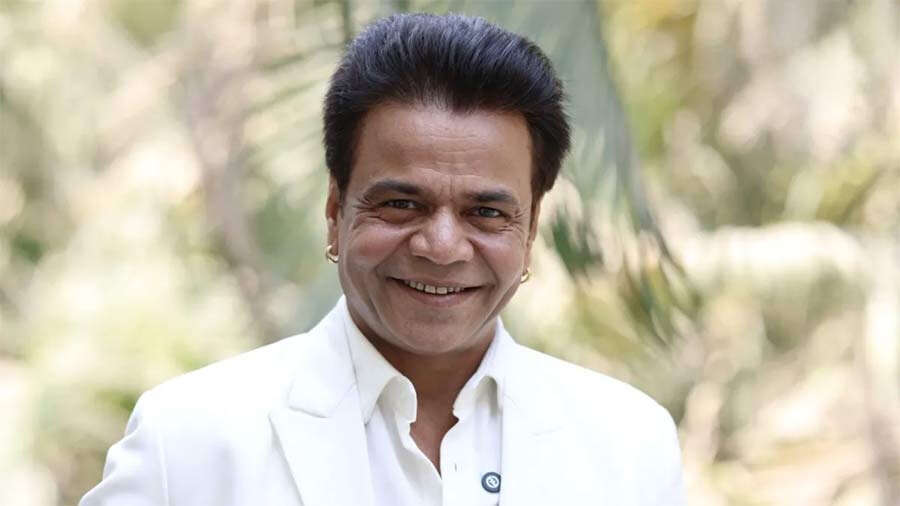
The court also recorded that Yadav had stated he would “rather go to jail five more times” than repay the complainant. Taking note of his conduct throughout the proceedings, the court declined to extend the benefit of probation. “This Court finds no infirmity in the judgment passed by the Sessions Court,” the bench observed, adding that it was not inclined to grant him the relief of probation.
The case stems from complaints filed under Section 138 of the Negotiable Instruments Act, which deals with the offence of cheque dishonour due to insufficient funds or other specified reasons. The litigation has remained pending for several years before reaching the Delhi High Court, which has now affirmed the conviction passed by the trial court and upheld by the Sessions Court.
Disclaimer : This story is auto aggregated by a computer programme and has not been created or edited by DOWNTHENEWS. Publisher: filmfare.com