
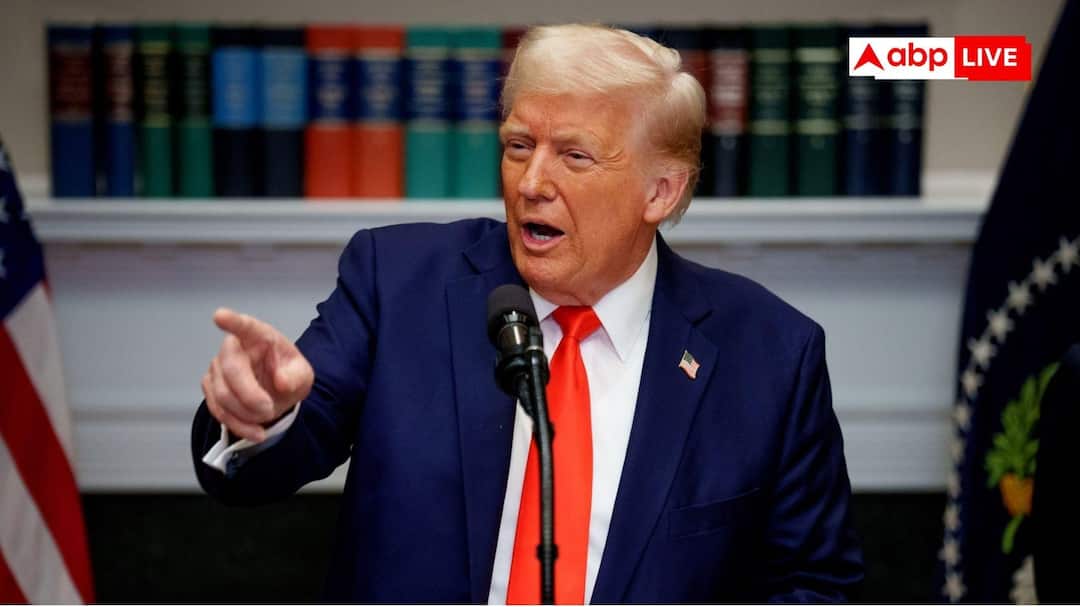
- President Trump will sign bill sanctioning Russia, Iran.
- New law empowers 100% tariffs on Russian energy buyers.
- Sanctions target Russia’s ‘shadow fleet,’ financial institutions, and Iran.
US President Donald Trump is expected to sign the Lindsey O. Graham Sanctioning Russia and Iran Act of 2026 on Friday, a White House official told ANI. The legislation has cleared both chambers of Congress and gives the President expanded powers to impose sanctions and tariffs linked to Russian energy purchases.
The US House of Representatives passed the bill 262-159 on September 16, after the Senate approved it 86-11 on August 7. The legislation is named after the late Senator Lindsey Graham, who had championed the measure.
Up To 100% Tariff Authority
The legislation allows the US President to impose tariffs of up to 100% on countries that continue to make significant purchases of Russian crude oil or natural gas. The measure does not automatically impose a 100% tariff; it gives the President discretion to impose such duties under specified conditions.
The tariff provision applies to countries among the five largest importers of Russian crude oil or natural gas, as well as countries identified as major facilitators of sanctions evasion. The bill also allows the administration to adjust tariffs depending on whether a country takes significant steps to reduce or end its purchases of Russian energy.
An exemption applies to countries whose Russian natural gas imports account for less than 15% of Russia’s total annual natural gas exports, provided they have taken significant steps to reduce those imports.
What It Means For India
India is among the major buyers of Russian crude, making it one of the countries that could potentially face tariffs under the new authority. However, the legislation itself does not impose a 100% tariff on Indian goods. Any such duty would require the Trump administration to invoke the authority provided by the law.
The bill arrives as India and the US continue trade negotiations. New Delhi has said it remains committed to ensuring energy security through diversified sourcing and evolving market conditions, while monitoring further developments.
Russia’s ‘Shadow Fleet’ Targeted
Beyond tariffs, the legislation introduces sanctions targeting Russian officials, financial institutions and networks supporting Moscow’s energy trade.
It also targets Russia’s so-called “shadow fleet” of vessels used to transport Russian energy while allegedly evading Western restrictions and price caps. Foreign entities involved in supplying materials and technology to Russia’s defence industrial base are also covered by the sanctions package.
The measure further provides for financial restrictions targeting major Russian institutions, including the Central Bank of Russia, Sberbank, VTB Bank and Gazprombank.
Iran Sanctions Extended
The legislation also extends the Iran Sanctions Act of 1996 for five years. The Trump administration had supported the inclusion of the Iran provisions as part of the final package.
Zelenskyy Welcomes Passage
Ukrainian President Volodymyr Zelenskyy welcomed the House passage of the legislation and thanked US lawmakers for supporting the measure.
Zelenskyy linked the legislation to continued international pressure on Moscow and said stronger economic measures could support diplomatic efforts to end the war.
Putin Criticises Sanctions
Russian President Vladimir Putin has criticised the use of sanctions and other economic restrictions against Moscow, arguing that such measures represent pressure on countries pursuing their own economic interests.
Speaking at the BRICS Business Forum in New Delhi, Putin said Russia had responded to the sanctions environment by strengthening ties with what he described as “reliable, predictable partners”.
Lawmakers Divided Over Tariff Powers
The legislation received bipartisan support in Congress, but some lawmakers opposed provisions giving Trump broad tariff authority.
The House vote included 58 Democrats who supported the bill, while seven Republicans voted against it. Critics cited concerns over the scope of the President’s tariff powers and the potential impact on US trade policy.
Supporters, meanwhile, have argued that the legislation will increase economic pressure on Russia and strengthen US leverage in efforts to end the Ukraine war.
Disclaimer : This story is auto aggregated by a computer programme and has not been created or edited by DOWNTHENEWS. Publisher: abplive.com




