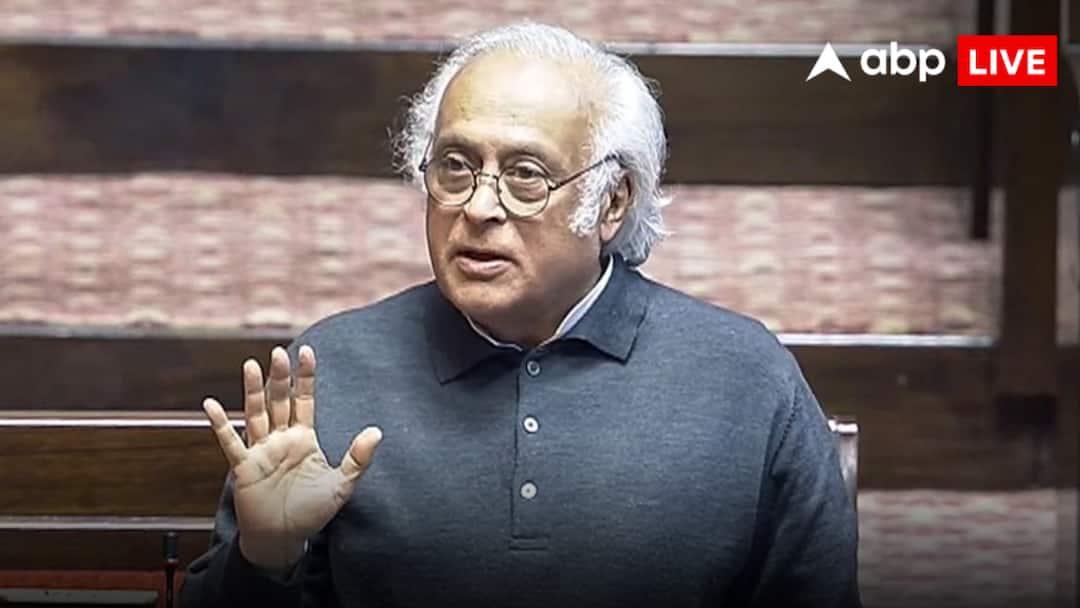
- Congress MP Jairam Ramesh questions Centre’s UPI charges policy.
- Ramesh noted government’s U-turn on UPI transaction charges.
- Deferred charges raise questions about another policy reversal.
Congress MP Jairam Ramesh on Tuesday questioned whether the Centre was preparing to reverse its decision on Merchant Discount Rate (MDR) charges on Unified Payments Interface (UPI) transactions, after the implementation of the proposed charges, scheduled for October 15, was deferred until after Diwali.
In a post on X, Ramesh recalled that Finance Minister Nirmala Sitharaman had denied plans to introduce MDR on UPI in August, only for the government to announce the charges in September. He described the move as a U-turn and asked whether another reversal was now on the cards following widespread demands for a rollback.
On Aug 6, 2026, and again four days later in Parliament, the Finance Minister denied any plans to impose MDR on UPI. But on Sep 15, 2026, MDR on UPI was announced by the Modi Govt. This was a definite U- turn. The widespread demand has been to rollback the MDR on UPI. Today, it has been announced that MDR on UPI – that was to come into effect from Oct 15, 2026 – has been deferred till after Diwali. Is the ground being prepared for a U-turn on the U-turn?
— Jairam Ramesh (@Jairam_Ramesh) October 13, 2026
“On Aug 6, 2026, and again four days later in Parliament, the Finance Minister denied any plans to impose MDR on UPI.
But on Sep 15, 2026, MDR on UPI was announced by the Modi Govt. This was a definite U- turn.
The widespread demand has been to rollback the MDR on UPI.
Today, it has been announced that MDR on UPI – that was to come into effect from Oct 15, 2026 – has been deferred till after Diwali.
Is the ground being prepared for a U-turn on the U-turn?”
‘First Announce, Subsequently Think’: Ramesh Recalls August, September Timeline
Ramesh also reposted his September 15 statement, in which he questioned the Centre’s handling of the proposed MDR framework and pointed to the sequence of announcements made by the government.
In that post, he said the Finance Minister had stated on August 6 that no decision had been taken on MDR. On August 10, she told Parliament that no MDR framework had been finalised, according to Ramesh.
He then cited a notification issued on September 14, followed by the introduction of MDR charges within 24 hours.
“Decision Making in Modi Govt
Aug 6: Hon’ble Finance Minister says ‘no decision has been taken on MDR’.
Aug 10: FM in Parliament says ‘No MDR framework has yet been finalised’.
Sep 14: Notification is issued.
Within 24 hrs, MDR charges introduced.
Another example of Modi Govt’s FAST moves (First Announce, Subsequently Think)”
Congress MP Says Amended Law Opens Door To UPI Charges
In another post, Ramesh argued that the government had used amendments to the Payment and Settlement Systems Act, 2007, to initiate the process of introducing charges on UPI transactions.
He said a notification under the amended law prohibited banks and payment providers from charging for UPI transactions below ₹2,000, but did not explicitly protect transactions above that threshold.
“Just as we warned on Aug 6, 2026 to which the Hon’ble FM herself had deemed it fit to respond, the Modi Govt is now using new laws bulldozed through Parliament to start the process of charging for UPI.
A notification has just been issued under the amended Payment and Settlement Systems Act, 2007 that prohibits banks and providers from charging only for UPI transactions under Rs 2000. But there is NO explicit protection for any transaction above this cap.
The stage is clearly being set for all of us to pay a fee for UPI transactions. Tomorrow the cap itself might be changed with another such notification – there is no longer a guarantee in the law. For all we know, the govt can introduce a charge for daily person-to-person transactions as well.
The Modi Govt has yet again shown complete lack of honesty and transparency and has broken the trust of users. Is all of this being done to open digital payments for American companies to appease President Trump?”
Ramesh Questions UPI Policy, Cites RBI Surplus And US Trade Concerns
Ramesh had raised concerns about the proposed changes on August 6, arguing that the Taxation and Other Laws (Amendment) Bill, 2026, removed the statutory guarantee that kept UPI transactions free and opened the door to MDR charges.
He maintained that the government could support the UPI ecosystem through the Reserve Bank of India’s financial resources rather th
Disclaimer : This story is auto aggregated by a computer programme and has not been created or edited by DOWNTHENEWS. Publisher: abplive.com