
UK inflation rose by 3.3% in March amid the surge in fuel prices for motorists triggered by the Iran war.
Figures from the Office for National Statistics (ONS) show the consumer prices index increased last month from 3% in February, adding to pressure on household finances already battered by a cost of living crisis. The rise matched City economists’s forecast of an increase to 3.3%.
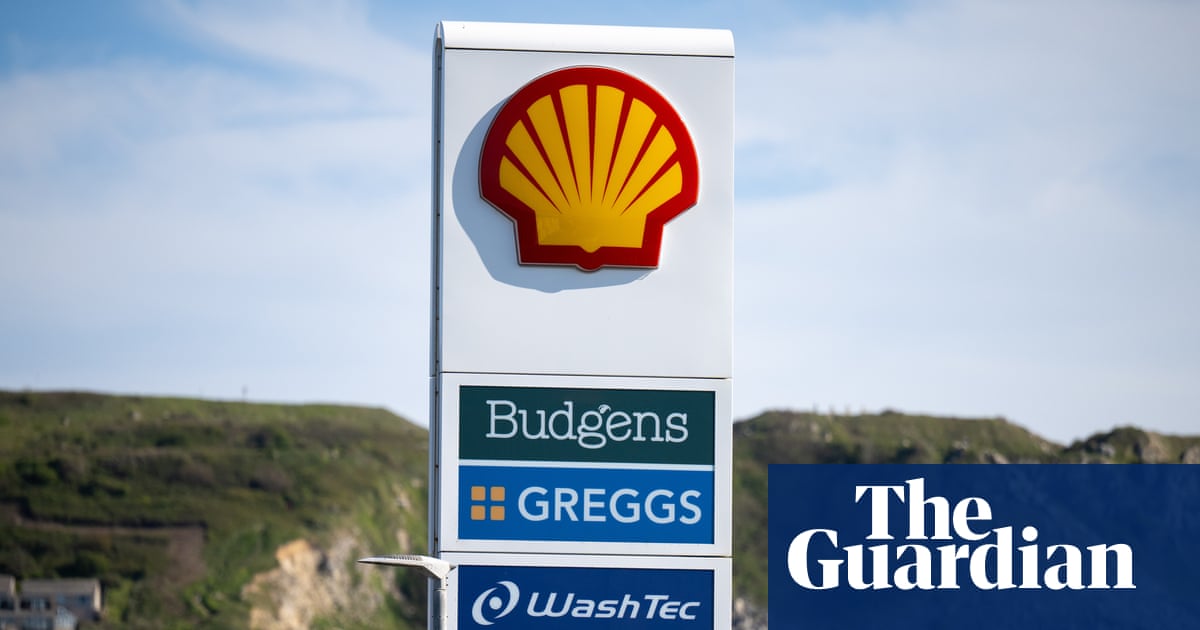
Petrol and diesel prices have soared since the start of the US-Israeli war on Iran, reflecting a jump in the global oil price to about $100 a barrel as the closure of the critical strait of Hormuz throttles energy supplies.
The International Monetary Fund has warned that Britain faces the sharpest growth slowdown and joint highest inflation rate in the G7 this year as the war in the Middle East threatens to trigger a global recession.
March’s headline rate of inflation remains above the 2% target set by the government. The Bank of England left interest rates unchanged last month while warning that a prolonged conflict and disruption to global energy markets could force it to raise the borrowing costs to stop high inflation from becoming entrenched.
Before the war, inflation had been predicted to fall sharply in April as measures announced in Rachel Reeves’s autumn budget, including cuts to energy bills, come into effect. However, while a drop to almost 2% had been predicted, forecasters now anticipate inflation will remain stubbornly high this year amid the mounting economic damage from the war.
More details soon …
Disclaimer : This story is auto aggregated by a computer programme and has not been created or edited by DOWNTHENEWS. Publisher: theguardian.com



