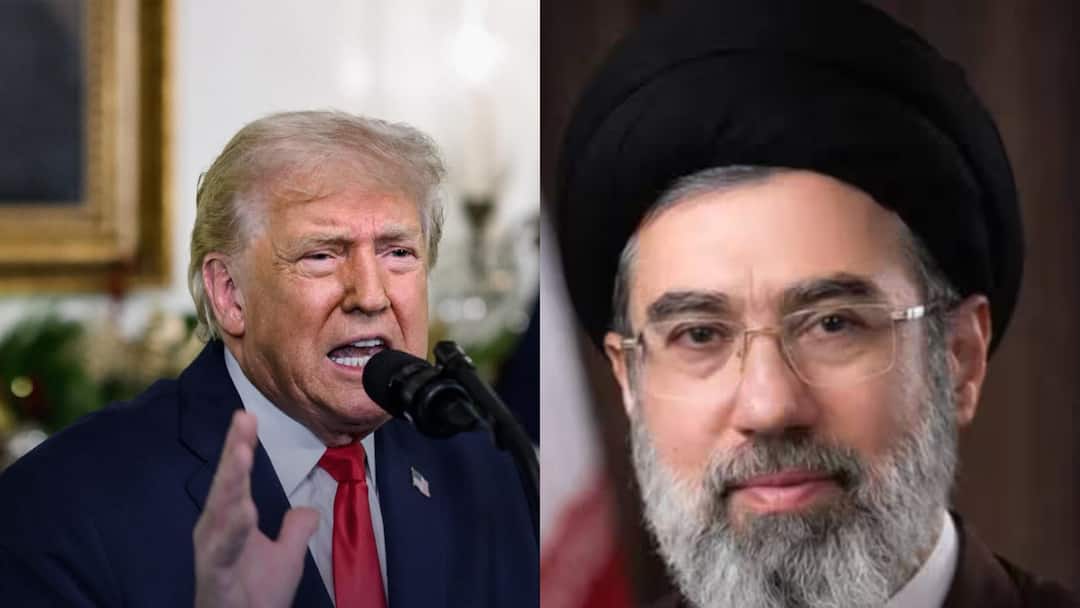
- US optimistic about Iran conflict resolution, citing Pakistan mediation.
- Economic pressure to intensify if Tehran avoids constructive talks.
- Pakistan plays key role, facilitating potential weekend negotiations.
- Strait of Hormuz shipping decline due to US blockade.
US-Iran Talks To Resume Via Pakistan: The administration of Donald Trump on Wednesday struck an optimistic tone about ending the ongoing conflict with Iran, even as it warned of tougher economic measures if Tehran refuses to engage constructively. The remarks come at a time of heightened geopolitical tension, with a U.S.-led maritime blockade beginning to disrupt critical oil routes.
President Trump indicated that the war effort, launched in coordination with Israel earlier this year, may soon draw to a close. However, Washington continues to apply pressure, signaling that further economic actions remain on the table if negotiations falter.
Pakistan Emerges As Key Diplomatic Bridge
Diplomatic channels are once again focusing on Pakistan as a potential venue for renewed negotiations. U.S. and Iranian officials are weighing a return to talks as early as this weekend, following a previous round that ended without a breakthrough.
“We feel good about the prospects of a deal,” White House press secretary Karoline Leavitt said, describing Pakistan-mediated discussions as “productive and ongoing.” She denied reports that Washington had requested an extension of the two-week ceasefire agreed on April 8.
Leavitt also suggested that while details are still being finalized, future face-to-face talks are likely to take place again in Pakistan, reinforcing its growing role as a mediator in the crisis.
Military, Diplomatic Channels Stay Active
Pakistan’s army chief, Asim Munir, arrived in Tehran to help prevent any escalation in hostilities. During his visit, he held discussions with Iranian Foreign Minister Abbas Araghchi, who acknowledged the ongoing diplomatic engagement, as per reports.
Araghchi later took to social media to underline Iran’s commitment to “promoting peace and stability in the region.” While it remains uncertain whether further meetings between the two leaders will occur, communication channels between Tehran and Washington remain open through Islamabad.
Economic Pressure Mounts As Conflict Ripples Spread
The conflict, which began on February 28, has had far-reaching consequences, including Iranian strikes on Gulf nations and renewed clashes involving Hezbollah in Lebanon. Meanwhile, the strategic Strait of Hormuz has seen a sharp decline in shipping traffic following the U.S.-imposed blockade.
U.S. Treasury Secretary Scott Bessent indicated that Washington could intensify its economic campaign by targeting countries that continue to purchase Iranian oil. He suggested that major buyers, including China, may be forced to reconsider their imports due to mounting restrictions.
Related Video
Trans-Hormuz: 20 Ships Transit Hormuz as US Claims Blockade is Holding
Disclaimer : This story is auto aggregated by a computer programme and has not been created or edited by DOWNTHENEWS. Publisher: abplive.com