
- US considers using frozen Iranian assets for Gulf reconstruction.
- Proposal complicates US-Iran talks amidst escalating military exchanges.
- Iran demands asset release; wider regional conflict impacts peace.
The United States is considering the use of frozen Iranian assets to support reconstruction efforts in Gulf nations affected by attacks linked to Tehran during the ongoing conflict, according to a report by CBS News.
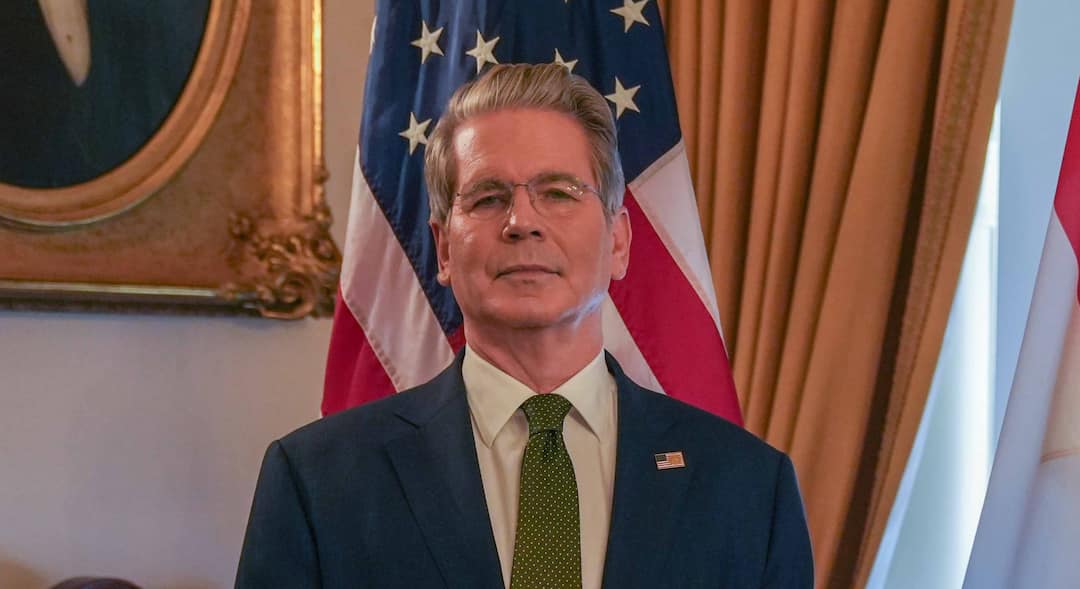
The US Treasury Department intends to examine all available legal mechanisms to make Iranian assets accessible for rebuilding and repair work related to damage caused by Iran, the report said, citing a source familiar with the thinking of Treasury Secretary Scott Bessent.
The proposal represents a significant shift in Washington’s approach to handling frozen foreign assets and comes as tensions between the US and Iran continue despite ongoing diplomatic contacts.
Treasury Seeks Damage Assessments
According to the report, Bessent has directed Treasury officials to gather detailed estimates from Gulf partner nations regarding the costs of repairing infrastructure damaged since the conflict began.
Officials are also expected to assess whether Iranian assets already under restrictions can be legally and practically redirected to cover reconstruction expenses resulting from attacks on US allies in the region.
It remains unclear which assets could eventually be used under such a framework. The report noted that authorities are evaluating options ranging from frozen financial holdings to physical assets, including vessels and other property linked to Iran.
ALSO READ: Araghchi Dismisses Trump’s Suggestion of Meeting Mojtaba Khamenei, Says ‘Be Realistic’
Move Could Complicate Negotiations
The reported initiative comes at a sensitive moment in US-Iran diplomacy.
Tehran has consistently maintained that any future agreement with Washington must include the lifting of sanctions and the release of billions of dollars in Iranian assets frozen overseas.
According to the CBS News report, Iranian officials continue to view access to these funds as a central demand in ongoing indirect negotiations.
The source cited in the report said the broader objective of the US proposal is to hold Iran financially responsible for actions that have affected regional stability while reducing the economic burden on Gulf allies.
ALSO READ: US Strikes Iranian Radar Sites As Tehran Launches Drones Towards Strait Of Hormuz
Military Tensions Continue
The development follows a fresh escalation in military exchanges between the two countries.
According to the report, US forces carried out strikes on Iranian coastal radar facilities in Goruk and on Qeshm Island in the Strait of Hormuz after intercepting drones that allegedly posed a threat to commercial shipping.
Iran subsequently launched missiles toward US military facilities in Kuwait and Bahrain. Kuwaiti authorities reported structural damage from missiles passing over populated areas, though no casualties were recorded. Bahrain also activated emergency warning systems and advised residents to seek shelter.
Iran’s Revolutionary Guard claimed its missiles struck American military positions, while US officials said most of the incoming projectiles were intercepted by air defence systems.
ALSO READ: Putin Defends New Delhi’s Right To Buy Russian Defence Systems: ‘India Is A Sovereign Country’
Regional Conflict Clouds Peace Efforts
The latest confrontation has further complicated already stalled diplomatic efforts.
According to the report, Iran continues to insist on the release of approximately USD 24 billion in frozen revenues and has linked broader negotiations to sanctions relief and developments in strategic waterways, including the Strait of Hormuz.
The conflict’s regional dimensions have also widened. Pakistan reportedly sought to facilitate dialogue, with Interior Minister Mohsin Naqvi travelling to Tehran to deliver a message from Islamabad’s leadership.
Meanwhile, tensions have extended to Lebanon, where a recent Israeli strike reportedly killed three members of the Lebanese armed forces, including two officers.
The report said Tehran has tied progress in discussions with Washington to a broader ceasefire involving Israel and Hezbollah, while Israel has indicated it intends to maintain military operations and current troop deployments.
As fighting and diplomatic deadlock continue across multiple fronts, efforts to transform the existing ceasefire arrangement into a lasting peace agreement remain uncertain.
Before You Go
Inflation: ₹29 Hike in Domestic LPG Prices Increases Household Budget Pressure
Disclaimer : This story is auto aggregated by a computer programme and has not been created or edited by DOWNTHENEWS. Publisher: abplive.com



